A recipe that works for family meals is a starting point for a food concept, not a complete operating plan. Turning it into a business means deciding who will buy, how the food will be produced consistently and what the business must arrange before trading.
For a home chef or social-media creator considering a commercial unit, the transition should be based on demand and capacity. Renting a kitchen does not promise a six-figure income or a fixed number of orders.
Separate research from permission to trade
You can research competitors, speak to prospective customers and develop a business plan before committing to premises. Social engagement can help identify interest, but it is not the same as a repeat order at a sustainable price.
Before taking orders or supplying food commercially, confirm the applicable business and food requirements for the proposed activity. Do not assume an informal home setup is authorised. The licensing responsibilities guide explains the tenant’s responsibilities when operating from Kitchen Works.
Cost a menu your team can repeat
Choose an initial range with a manageable ingredient list and preparation process. Record usable yield, portion size, packaging and labour needs. Include platform charges and promotions in the order economics rather than treating ingredient margin as profit.
Test the packed product after a realistic journey and check how several orders can be prepared together. A popular dish can be difficult to operate commercially if it occupies the only appliance for too long or deteriorates during delivery.
Match equipment and people to the unit
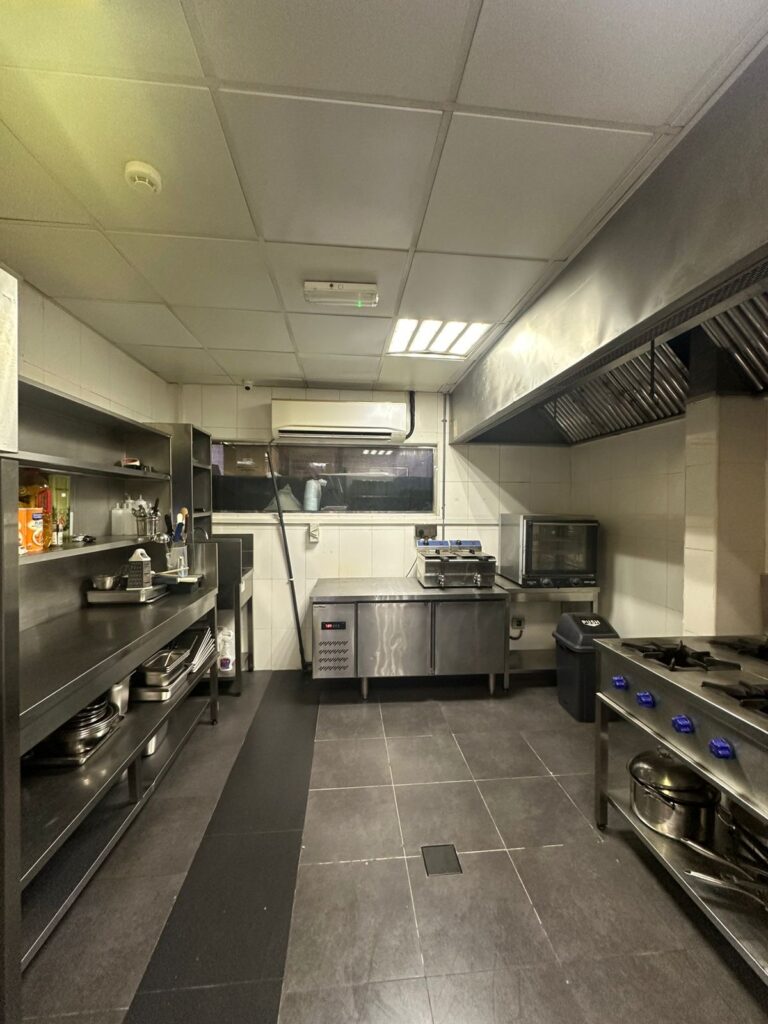
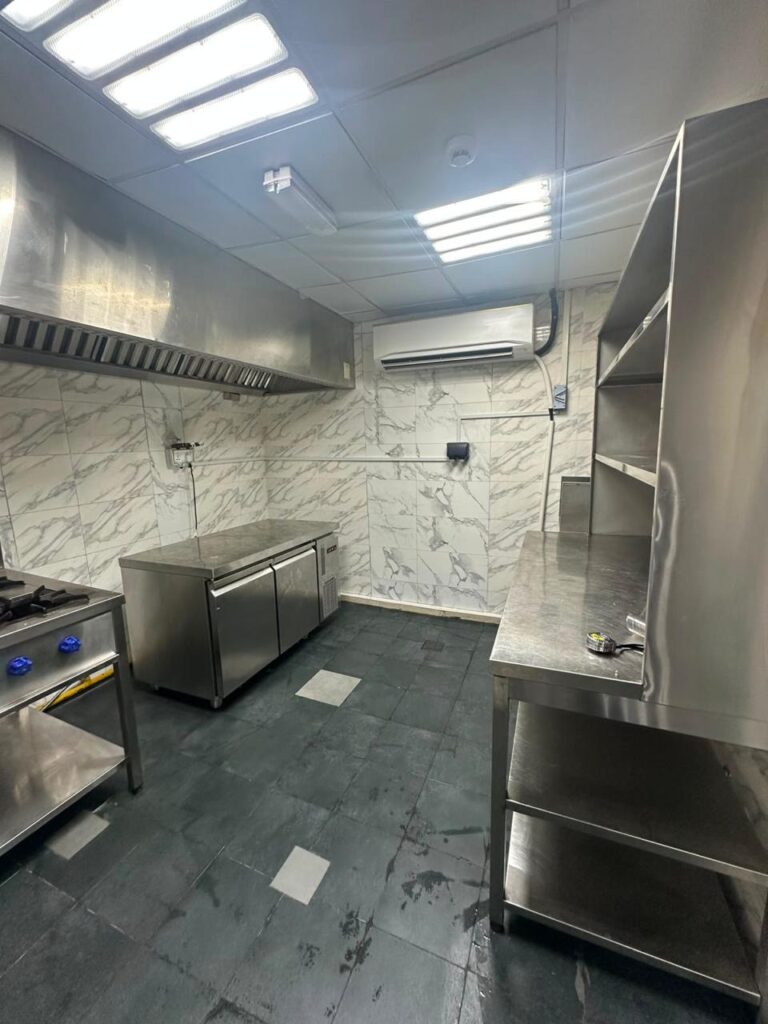
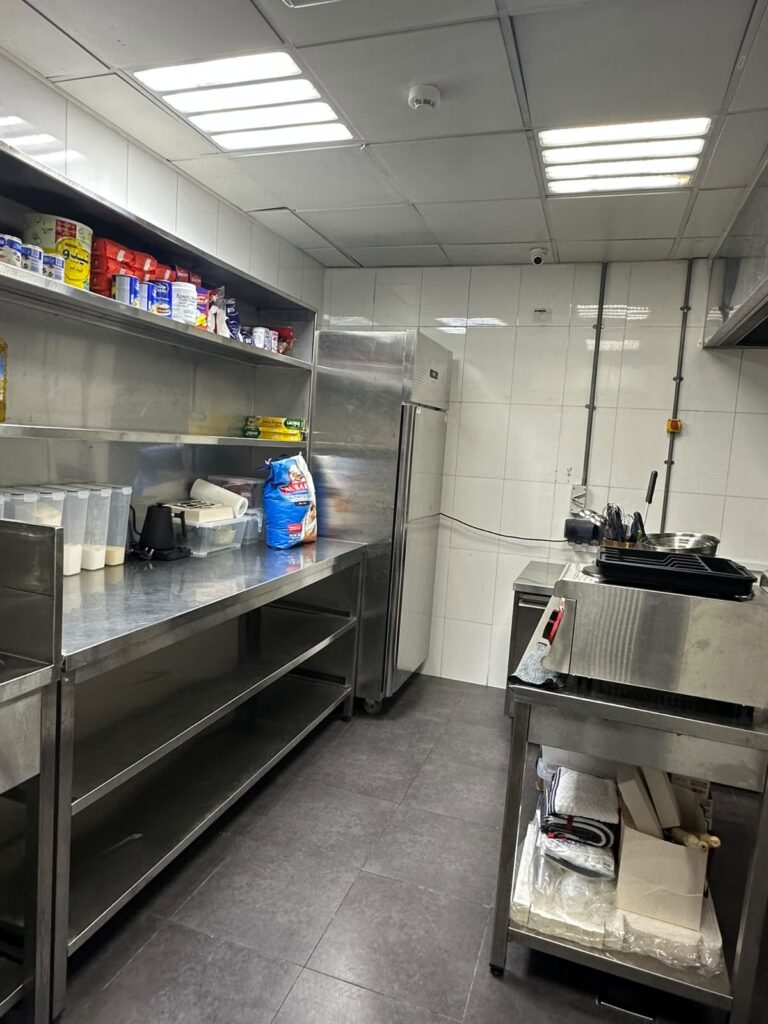
Bring an appliance schedule, storage needs and expected team size to a viewing. Check power, extraction, refrigeration and packing space. Hiring staff also brings documentation, training and supervision responsibilities that a rental agreement does not remove.
Kitchen Works has described helping a bakery and dessert tenant move from a cold kitchen to an available hot unit after introducing cooked lunch dishes. A menu change can require a different setup; suitable availability and technical requirements determine whether a move is possible.
Treat social attention as uncertain demand
A successful video can create enquiries faster than a business can fulfil them. Make the ordering area, opening status and realistic availability clear. Do not buy capacity solely from view counts or promise an unrestricted launch before the operation is ready.
Once trading requirements are complete, use a controlled opening to assess preparation, packing, collection and customer feedback. Review repeat purchases and contribution per order alongside volume. Adding more menu items or brands is useful only if the operation can support them.
Check whether your audience can become customers
Research where followers live, whether they are within the available delivery area, what they would pay and which part of the menu interests them. A large audience outside your service area may offer little local demand. Treat stated interest as a research signal, then assess actual repeat purchases only once the business is authorised and operating.
Plan the commitment beyond opening day
Kitchen Works offers private units in Al Quoz 4 with shared amenities and 24/7 tenant access. Its current agreement is for 12 months; review the current rental FAQs and request a unit-specific quote.
Keep an operating reserve separate from the setup budget and consider the founder time needed in the first six months. Explore cloud kitchen rental in Dubai and arrange a viewing with your menu and equipment list. You can enquire before obtaining a trade licence, while arranging the requirements before operating.