7 min read
In this guide:
Before you commit to a cloud kitchen in Dubai, separate the facility’s approvals from your own business licence and staff requirements. Use this guide to understand what Kitchen Works provides, what you must arrange, and which menu, equipment and staffing details to bring to your first viewing.
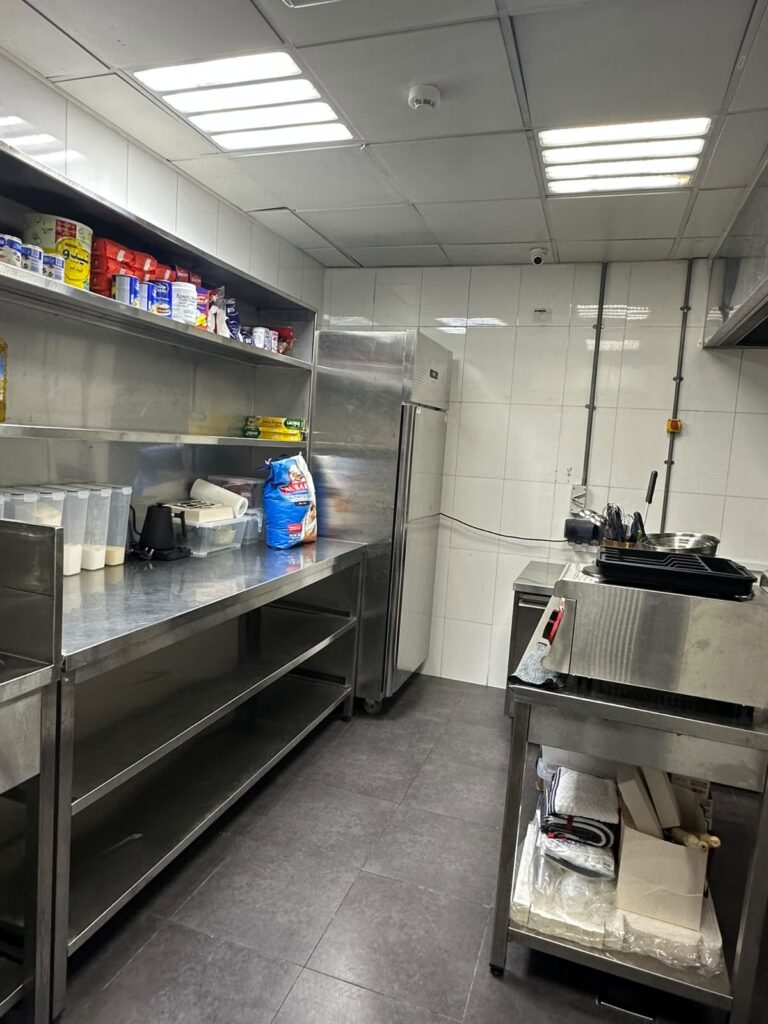
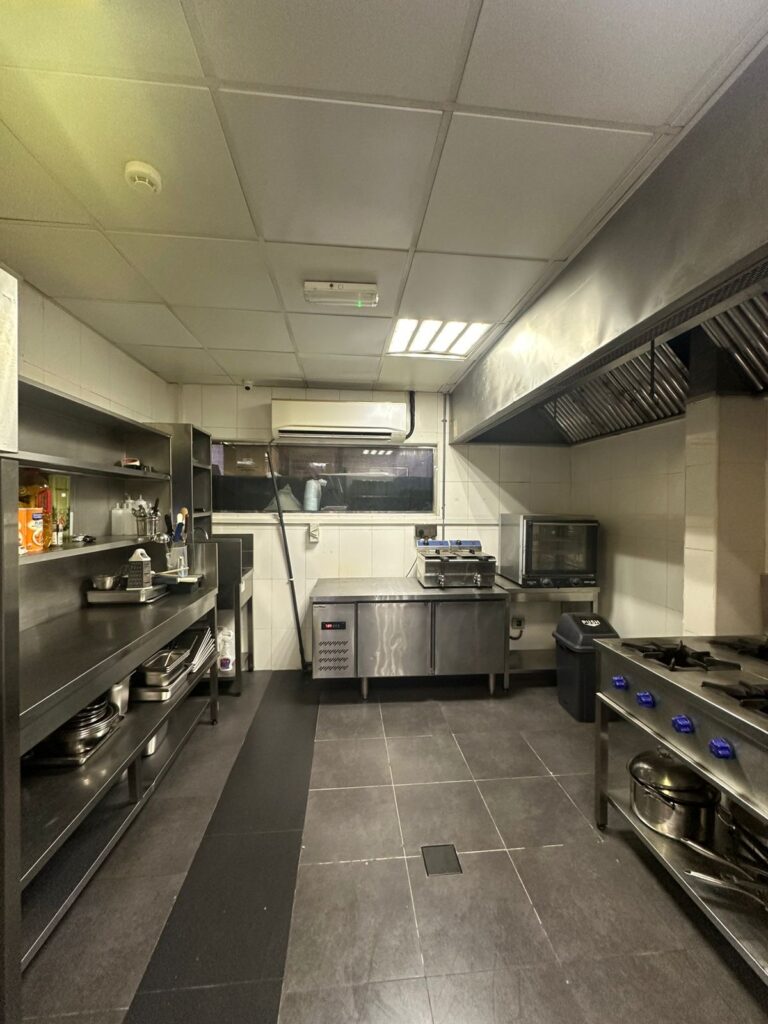
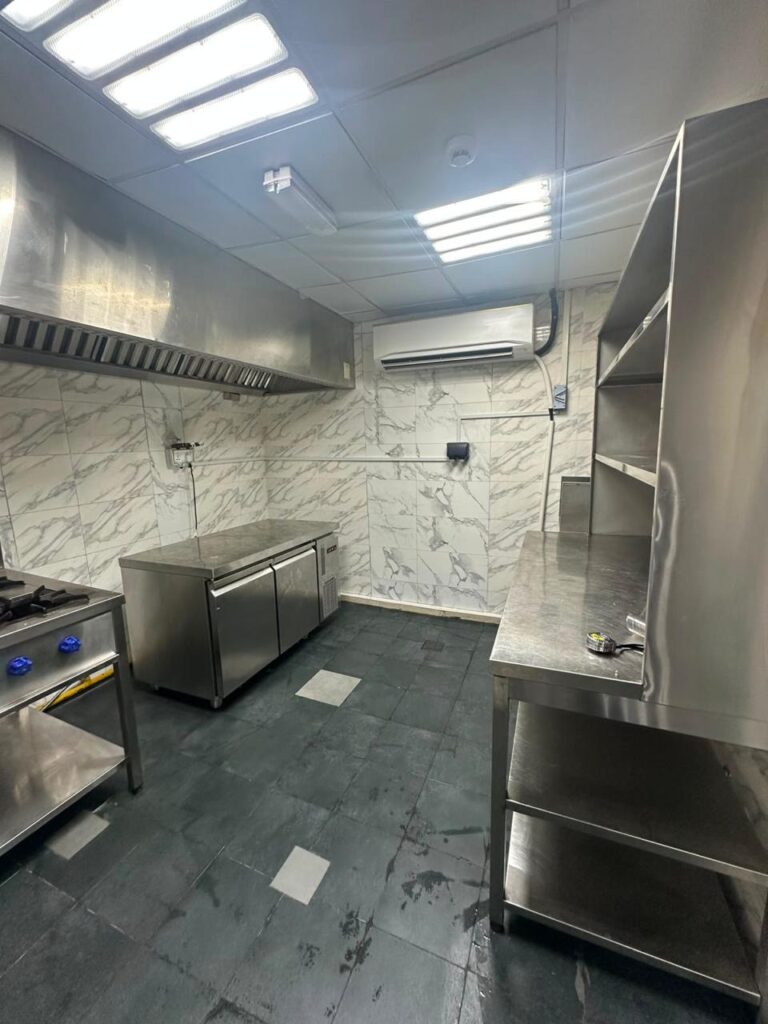
Walk into a kitchen and you can probably picture your first service: prep on this counter, ingredients within reach, orders ready for collection. Then comes the less photogenic question: what needs to be in place before your business can start cooking? At Kitchen Works, our starting point is straightforward. The kitchen-layout and facility approvals for our existing Al Quoz setup are in place; each food business is responsible for its own trade licence and staff requirements before starting operations.
It is worth having that conversation while you are still comparing spaces. Bring your menu, explain where you are with your licence and describe what you want to do in the unit. You do not need a polished presentation. You need enough detail to work out whether the kitchen and your opening plans fit together. If you are starting a new brand, you can enquire and visit Kitchen Works before obtaining your trade licence.
What Kitchen Works has already arranged
Kitchen Works has completed the kitchen-layout and facility approvals for its existing Al Quoz setup, including the relevant Dubai Municipality, Dubai Civil Defence and Department of Economy and Tourism approvals. Tenants use the facility’s approved layout documentation rather than seeking a separate approval for the same existing kitchen layout.
For a tenant setting up a new trade licence, Kitchen Works supplies the approved kitchen-layout document for inclusion in the tenant’s Dubai Municipality submission. The facility document supports that process; it does not mean the tenant has no application or business approvals to complete.
Before submitting, confirm how the proposed food activity and equipment fit the approved unit. If your plans involve a different cooking process, additional equipment or changes to the space, raise those details with the team and your licensing adviser first.
What your food business must arrange
Your business remains responsible for its own trade licence, the approvals applicable to its activity, and its employees’ documentation. Dubai’s official trade-licence service explains the business authorisation process. The exact route should match what your company will do.
Kitchen Works can provide facility documents, guide you on requirements and recommend consultants. As our FAQs explain, we do not set up your business licence. If you appoint a consultant, agree who will prepare the application, submit it and respond to follow-up questions.
Your opening plan also needs to cover staff visas and work permits, food-safety training, the Person in Charge role and occupational health requirements. Put these on your opening checklist alongside the company paperwork.
- Basic Food Safety Training (BFST): all food handlers need training appropriate to their work before they start. Dubai Municipality’s published guidance says Basic Food Safety certificates are issued without an expiry date, with refresher training required every three years. Based on Kitchen Works’ onboarding experience, certification generally involves a six-hour course followed by an exam, usually completed in one sitting. Allow approximately AED 150 per person as a planning estimate.
- Person in Charge (PIC): nominate a kitchen manager, shift supervisor or other suitable person to oversee food safety, and confirm the coverage your operation needs. Dubai Municipality’s guidance gives PIC certification a five-year validity unless withdrawn because of poor food-safety performance. Kitchen Works typically sees a two-day course followed by an exam, with an estimated cost of AED 600–700 per person.
- Occupational Health Card (OHC): arrange the required occupational health screening for all food-handling staff. Dubai Health lists this service at Salem – Al Quoz Medical Fitness Center in Al Quoz Mall. Kitchen Works has found that walk-ins are usually accepted; check the centre’s current process, required documents and results timing before visiting.
For the training rules above, see Dubai Municipality’s Requirements for Integrated Training Management System for Food Establishments, particularly page 21. Our facility team can help arrange staff training during onboarding. Training providers to contact include Zigma Quality Training Center and Splendid Quality Consultants. Confirm the approved course, assessment, current fees and schedule when booking; the costs above are Kitchen Works’ planning estimates.
Bring your menu, equipment needs and staffing plan
A kitchen viewing is useful before every part of your business plan is final. Bring enough information for the team to understand how you intend to work, and be clear about what is still undecided.
- Your concept and menu: explain the dishes you will prepare, the cooking methods and any second concept you already expect to add.
- Your equipment: list what you need, what you will bring, and its dimensions and power requirements where known. Discuss gas, extraction and other technical needs.
- Your working team: estimate the people on each shift and the preparation, storage and packing space they need.
- Your customers: identify the communities you want to reach so the location and delivery coverage can be discussed against your plans.
- Your licensing position: bring existing licence details if you have them, or explain the proposed activity and where you are in the setup process.
These are discussion points for choosing a unit, not an official application-document list. Kitchen Works supports both startups and established food brands, so a new founder can ask for guidance without arriving with a completed trade licence.
A real example: when a dessert menu needed a hot kitchen
One Kitchen Works tenant began with a bakery and dessert concept using electric equipment and limited cooking. We matched that operation to a cold kitchen. A few months later, the tenant added cooked lunch dishes that needed a stove and extraction hood.
The tenant discussed the change with Kitchen Works, and the team arranged a move to the next available hot kitchen.
We have also helped operators move from compact or standard hot kitchens into larger units as orders grew or more virtual brands were added. In those cases, the move depended on a suitable unit becoming available.
Our maintenance team supports internal moves, equipment installation and connection without a separate charge, and moves can often be planned overnight outside operating hours. Confirm the scope, technical work and timing for your own move before relying on an uninterrupted service.
Ask what support continues after you move in
The handover is only the beginning of the working relationship. At Kitchen Works, ongoing support covers 24/7 access to operational kitchen space, equipment and HVAC service requests, facility maintenance such as pest control and grease-trap cleaning, and order-dispatch coordination.
The team also helps with food-aggregator onboarding and introductions to food, packaging and other suppliers. Discuss how these services work for the proposed unit and get the inclusions and responsibilities clear before committing. Dispatch coordination should not be confused with an in-house delivery-rider service.
If you already run a food brand, ask whether the delivery area reaches the customers you want, whether the unit can support your space and power needs, and how maintenance will be handled when something needs attention.
Plan for the first six months, not just opening day
If you are launching a new food brand, ask yourself whether you have the time and capital to commit to its first six months. In our conversations with founders, the work involved in launching is sometimes underestimated, and some expect profits in the first month.
Use that question to test your plan before committing to an opening date. Allow for the time you will spend on the business as well as the operating costs, and avoid making the plan depend on immediate profitability. A suitable kitchen helps you operate; it cannot guarantee demand for a new brand.
Leave the viewing with a short list of actions: which unit fits, which facility documents Kitchen Works will supply, what your adviser or authority needs from you, and which staff requirements remain outstanding. Agree who is handling each item.
Keep the application documents consistent
Before submission, check that the business details, proposed activity, selected unit and equipment information agree across the application and supporting layout documents. Raise any mismatch with the team and the adviser handling the application instead of assuming the facility paperwork covers a changed process.
Keep copies of the submitted documents, authority responses and outstanding requirements. Record who is responsible for each follow-up and confirm completion before setting the operating start date.
Discuss your concept with Kitchen Works.
Send your menu, equipment needs, expected team size, current licensing position and target start date. You can enquire before obtaining your trade licence. Contact Kitchen Works to discuss suitable units and current or upcoming availability.