Table of Contents
- Introduction
- Why Overheads Are Rising in Dubai Cloud Kitchens
- Comparing Traditional vs. Cloud Kitchen Overheads
- The Hidden Costs Most Cloud Kitchens Overlook
- Strategies to Reduce Overheads cost and boost profit
- Case Study — How One Dubai Cloud Kitchen Cut Costs by 30%
- Key Takeaways — Reducing Overheads in Dubai’s Cloud Kitchen Market
- Final Thoughts
Introduction
Dubai’s food delivery scene is booming, and cloud kitchens have become one of the most profitable models for modern entrepreneurs. These delivery-only kitchens are transforming how restaurants operate — cutting out front-end costs, focusing on efficiency, and leveraging online delivery platforms to reach customers. However, beneath this seemingly cost-effective model lies one of the most critical issues every operator faces — cloud kitchen rent Dubai and the overall rising overhead expenses.
While cloud kitchens eliminate the need for dine-in spaces, they still face multiple operational costs that eat into profits. From location-based rent to licensing, technology subscriptions, utilities, and delivery logistics, these costs can quietly rise month after month. For startups or small operators, the burden of rent and overheads can become overwhelming, especially in a city as competitive and premium as Dubai.
When planning a food delivery business in the UAE, understanding cloud kitchen rent Dubai is crucial for budgeting effectively. Many entrepreneurs are surprised by how much cloud kitchen rent Dubai can impact overall profitability. The challenge isn’t just in high rent — it’s the combination of multiple factors that increase the overall cost per order. Understanding how these overheads work, how they impact profitability, and what strategies can control them is essential for anyone managing or planning to launch a cloud kitchen in Dubai.
In this article, we’ll explore the most common overhead challenges, analyze why cloud kitchen rent Dubai is often higher than expected, and provide actionable steps to reduce costs while maintaining operational quality and brand strength.
Why Overheads Are Rising in Dubai Cloud Kitchens
Overheads in cloud kitchens can be divided into three main categories: fixed costs, variable costs, and hidden operational costs. Each plays a major role in determining profit margins and long-term sustainability. Before signing a lease, calculate all overheads, including utilities, to know the true cost of cloud kitchen rent Dubai.
1. Fixed Costs — Rent & Licenses
One of the biggest expenses for any cloud kitchen is the cloud kitchen rent Dubai. Unlike small cafes or kiosks, cloud kitchens need to be strategically located in delivery-dense zones. These are usually high-demand areas like Business Bay, Jumeirah, or Dubai Marina — but the rent in these locations can be significantly higher than in industrial areas.
Rent for a fully equipped cloud kitchen in Dubai can range from AED 10,000 to AED 50,000 per month, depending on the size and the facilities offered. Add to that licensing fees, trade permits, and municipality health inspections — and you’re already looking at a major upfront cost before even making your first sale.
2. Variable Costs — Utilities & Maintenance
While rent is a predictable expense, utilities like electricity, water, and internet are variable and fluctuate with your order volume. The cost of cooling systems, exhaust fans, and refrigeration in a hot climate like Dubai can be substantial. Kitchens running long hours also face higher maintenance costs for their equipment and premises.
3. Hidden Costs — Delivery Platforms & Commissions
Comparing cloud kitchen rent Dubai with traditional restaurant spaces shows a notable cost advantage in some cases. Another overlooked part of cloud kitchen rent Dubai is the indirect cost of aggregator commissions. Platforms like Talabat, Deliveroo, and Careem charge commissions between 25–35% per order. These costs, while not rent in the traditional sense, directly affect profitability and act as “digital rent” for accessing online customers.
When combined, these three cost categories make up over 60% of the total operational budget for most cloud kitchens in the city. The more your rent and overheads increase, the harder it becomes to achieve economies of scale — especially for smaller or single-brand kitchens. Shared kitchen spaces can reduce cloud kitchen rent Dubai while still providing professional-grade facilities.
Comparing Traditional vs. Cloud Kitchen Overheads
| Expense Type | Traditional Restaurant | Cloud Kitchen (Dubai) |
|---|---|---|
| Rent | AED 60,000 – 100,000 | AED 10,000 – 50,000 |
| Utilities | AED 10,000 | AED 7,000 – 15,000 |
| Staffing | 20+ employees | 5–10 employees |
| Marketing | Local foot traffic | Digital ads & aggregator fees |
| Customer Access | Walk-ins | Online platforms only |
While cloud kitchens can save up to 50–70% on staffing and front-end operations, cloud kitchen rent Dubai still consumes a major portion of their budget. Moreover, they must allocate more money to digital marketing, online branding, and delivery management to compete in the online ecosystem.
For example, a small burger brand operating from a shared kitchen in Dubai Silicon Oasis may pay AED 15,000 in rent, AED 8,000 in aggregator commissions, and AED 5,000 in utilities every month — totaling AED 28,000 in overheads before earning profit. This demonstrates that although cloud kitchens appear lean, the operational load is still significant.
The Hidden Costs Most Cloud Kitchens Overlook
Hidden costs, such as service charges and maintenance, should be factored into cloud kitchen rent Dubai calculations. While rent is the most obvious expense, many operators underestimate several hidden costs that slowly reduce their profit margins. Understanding and tracking these costs is essential for anyone managing a cloud kitchen rent Dubai business model.
1. Aggregator Commissions and Promotions
Food delivery apps like Talabat, Deliveroo, and Careem have made online ordering convenient — but at a steep price. These platforms typically charge 25–35% commissions per order, which can eat away most of the profit. Many kitchens also spend extra on in-app promotions and discounts to rank higher, effectively paying more “digital rent” to stay visible.
If you run your own marketing campaigns through these apps, add another 5–10% to the cost. It’s common for new kitchens to underestimate these fees until they see how much revenue actually reaches their bank account after deductions.
2. Packaging and Sustainability Costs
Food packaging is another hidden expense that quickly adds up. High-quality, eco-friendly, or custom-branded packaging materials cost 15–20% more than standard ones. Yet, in Dubai’s competitive market, poor packaging can hurt brand image and customer satisfaction.
Sustainable packaging is becoming mandatory in Dubai’s future business regulations, meaning kitchens that plan ahead will be better prepared — but the initial investment adds to short-term overheads.
3. Delivery Operations and Rider Management
Some cloud kitchens try to manage their own delivery riders instead of relying solely on aggregators. While this gives them control, it introduces new costs: rider salaries, uniforms, fuel, and insurance. These costs, when added to the cloud kitchen rent Dubai, can push total monthly operating expenses much higher than anticipated. Flexible leases can make cloud kitchen rent Dubai manageable for small to medium-sized delivery operations.
4. Technology Subscriptions and Software Licenses
Cloud kitchens rely on POS systems, accounting tools, CRM software, and kitchen display systems. Each of these services typically charges a monthly fee. When combined, these recurring digital costs can amount to thousands of dirhams per month.
Many entrepreneurs start with affordable tools but gradually add more platforms as they expand, causing “tech creep” — a subtle but costly issue.
5. Maintenance and Equipment Depreciation
Commercial kitchen equipment — from fryers to freezers — needs periodic maintenance. Over time, equipment efficiency drops, increasing electricity usage and repair bills. This depreciation isn’t always included in monthly financial tracking, but it directly impacts long-term profitability.
Strategies to Reduce Overheads and Optimize Rent
The good news? Every cost challenge has a solution. Reducing cloud kitchen rent Dubai and overheads requires a combination of location strategy, technology optimization, and efficient resource management.
1. Choose the Right Location for Delivery Density
Instead of renting expensive spaces in central Dubai, consider areas that still have high delivery demand but lower commercial rents — such as Al Quoz, Dubai Investment Park, or International City.
These locations offer better value while keeping you within 15–20 minutes of your key delivery zones.
Use delivery-zone heatmaps from aggregator apps to identify “hot zones” that have high order volumes but limited kitchen competition. Renting strategically saves thousands monthly without compromising delivery speed.
2. Consider Shared Kitchen or Commissary Models
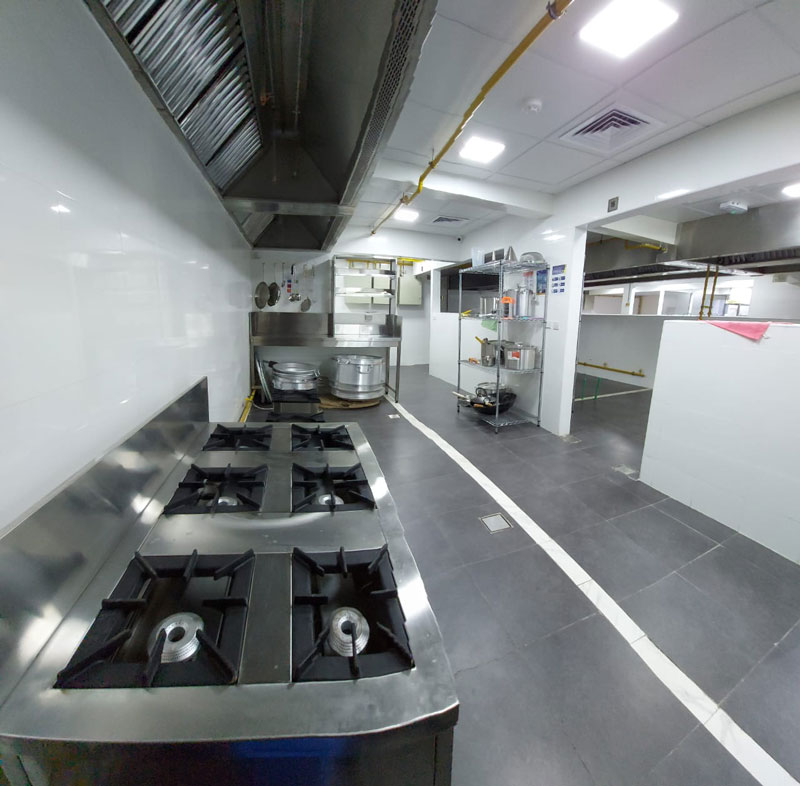
If rent is a major burden, partnering with a shared kitchen Dubai provider can drastically reduce setup and operating costs. Shared kitchens typically offer ready-to-use facilities, utilities, equipment, and even delivery management.
This allows entrepreneurs to test multiple brands without committing to long-term leases. Examples include Kitopi, Kitchen Nation, and iKcon — all offering flexible rental models. You can start at a lower cost and scale gradually as orders grow.
3. Optimize Energy and Resource Usage
Electricity is a major recurring cost, especially for kitchens operating 18+ hours a day. Energy-efficient appliances, motion-sensor lighting, and regular equipment maintenance can cut utility bills by 10–15%.
Consider using timers on freezers and cooking devices to avoid unnecessary energy consumption during off-peak hours.
4. Automate Order Management and Analytics
Investing in a unified POS or aggregator integration system can eliminate human error, reduce staff workload, and increase productivity. Software like Otter, Toast, or UrbanPiper consolidates all your delivery orders onto a single dashboard — saving hours daily.
Although this requires an upfront subscription fee, it improves order accuracy and minimizes delays, indirectly lowering customer complaints and refund losses.
5. Negotiate Flexible Lease Terms
When signing a new lease, negotiate for flexible terms such as shorter contracts (6–12 months), rent-free fit-out periods, or revenue-based rent agreements. Many landlords are open to innovative deals for cloud kitchens due to the industry’s rapid growth.
A well-negotiated lease can save 15–20% annually on your total cloud kitchen rent Dubai expense.
6. Optimize Staff Schedules and Cross-Training
Staffing costs can be reduced by cross-training employees to handle multiple tasks — for instance, prepping, packing, and dispatching. Implement smart scheduling software to match staff presence with peak delivery hours, cutting overtime and idle time.
7. Build Direct Customer Channels
Over-reliance on delivery aggregators is costly. Instead, encourage customers to order directly via your website, mobile app, or WhatsApp. Offer loyalty points, small discounts, or free delivery for direct orders.
This not only saves commission fees but also gives you access to customer data, enabling targeted marketing campaigns that strengthen brand loyalty.
8. Outsource Non-Core Functions
Tasks like accounting, digital marketing, or HR can be outsourced to specialized agencies at lower rates than hiring full-time staff. This keeps fixed costs low and ensures expertise in key operational areas.
9. Continuous Cost Monitoring
Establish a monthly cost-tracking system that categorizes every expense — rent, utilities, delivery fees, packaging, and tech subscriptions. Many successful kitchens use dashboards to visualize these numbers, helping them make data-driven decisions.
Consistent tracking ensures early identification of expense spikes and faster corrective action.
Case Study — How One Dubai Cloud Kitchen Cut Costs by 30%
Investors often underestimate the influence of cloud kitchen rent Dubai on their break-even point. Let’s look at a practical example of a successful cost-optimization strategy in action.
Case Study: UrbanGrill — A Mid-Sized Cloud Kitchen in Al Quoz
Many cloud kitchen operators in Dubai negotiate flexible terms to manage cloud kitchen rent Dubai more effectively. UrbanGrill started in 2022 as a delivery-only burger brand in Dubai’s Al Quoz industrial area. Initially, the founders chose a mid-tier commercial space, thinking lower rent would automatically mean higher profit. However, after six months, they realized the business was struggling with multiple hidden costs — utilities, aggregator commissions, and inefficient operations.
Comparing cloud kitchen rent Dubai across different districts allows operators to optimize profitability. Their cloud kitchen rent Dubai was AED 25,000 per month, which seemed manageable, but overall overheads crossed AED 55,000 when utilities, staff, and digital expenses were included. Profit margins were below 10%.
Here’s how they turned things around:
- Shift to a Shared Kitchen Model:
UrbanGrill relocated to a shared kitchen facility with a monthly cost of AED 14,000, including utilities and basic maintenance. This immediately cut rent and setup expenses by almost 40%. - Aggregator Negotiation & Direct Orders:
They negotiated a lower commission with Talabat and built their own direct ordering channel via WhatsApp and their website. Within three months, 25% of total orders came directly from repeat customers — reducing commission costs significantly. - Energy Optimization:
The team replaced older fryers and freezers with energy-efficient models, saving 12% on utility bills. - Menu Rationalization:
Instead of offering 40+ items, they reduced the menu to 15 high-margin dishes, simplifying kitchen operations and reducing wastage.
After implementing these changes, UrbanGrill reduced monthly overheads from AED 55,000 to AED 38,000 and doubled its profit margin to 20%. This case highlights that controlling cloud kitchen rent Dubai is only the first step — full cost visibility and strategic optimization are what truly drive profitability.
Key Takeaways — Reducing Overheads in Dubai’s Cloud Kitchen Market
Here are the most actionable lessons cloud kitchen owners and investors can apply immediately:
- Rent is only part of the equation.
While the cost of cloud kitchen rent Dubai is critical, ignoring hidden expenses like aggregator fees and tech subscriptions can silently erode margins. - Shared kitchens and commissaries work.
For startups and new brands, they offer the best balance between affordability and scalability. - Track every cost monthly.
Small leakages — like overstaffing or unused software — can accumulate over time. Financial dashboards and POS integrations help visualize spending. - Negotiate smarter.
Don’t accept standard lease or commission terms. Landlords and delivery aggregators are often open to flexible arrangements, especially if you prove long-term stability. - Invest in brand ownership.
Building your own customer channels not only saves money but ensures long-term sustainability by reducing dependency on third-party platforms. - Think data-first.
Every successful kitchen uses analytics to forecast demand, schedule staff, and track resource efficiency. Technology should be an enabler, not a cost trap.
Final Thoughts
The cloud kitchen industry in Dubai is one of the most exciting and competitive business opportunities in the UAE today. With rising demand for online food delivery, the potential is undeniable — but so are the challenges.
From high rent to hidden costs, running a profitable operation requires smart decision-making, data-backed strategies, and constant innovation. Whether you’re a startup or a multi-brand operator, understanding your overhead structure is the foundation of success.
Reducing cloud kitchen rent Dubai, optimizing resources, and leveraging shared-kitchen models can transform your cost base and help you scale sustainably.
At the end of the day, the winners in this market aren’t the ones who spend the most — they’re the ones who spend smartly.
Operators who plan strategically can turn high cloud kitchen rent Dubai into a competitive advantage. If you’re planning to start or scale your cloud kitchen in Dubai, Kitchen Works can help you analyze your rent, location, and operating costs to design a profitable setup.
👉 Contact Kitchen Works consulting team for a free cost audit and growth plan, for reducing cloud kitchen rent Dubai.