7 Common Cloud Kitchen Design Mistakes That Destroy Efficiency (And How to Fix Them)

7 Common Cloud Kitchen Design Mistakes That Destroy Efficiency (And How to Fix Them)

Table of Contents

  • Introduction: Why Kitchen Design Matters in Cloud Kitchens
  • The Impact of Poor Design on Operational Efficiency
  • Mistake #1: Ignoring Workflow Zones (The “Golden Triangle” Rule)
  • Mistake #2: Overcrowding Equipment and Workstations
  • Mistake #3: Neglecting Ventilation and Temperature Control
  • Mistake #4: Inadequate Storage Planning and Labeling Systems
  • Mistake #5: Poor Lighting and Visibility
  • Mistake #6: Ignoring Technology Integration During Design
  • Mistake #7: Failing to Plan for Future Expansion
  • How to Fix These Cloud Kitchen Design Mistakes (Pro Tips)
  • Final Thoughts

Introduction: Why Kitchen Design Matters in Cloud Kitchens

In the booming food-delivery economy, cloud kitchens are redefining how restaurants operate. However, many entrepreneurs underestimate one of the most crucial aspects of success — kitchen design efficiency. In fact, a poorly planned layout can cost more in lost productivity, wasted energy, and slower order turnaround than rent or marketing combined.

Most cloud kitchen design mistakes happen in the early stages of setup. Owners rush to launch quickly without understanding how layout impacts workflow, equipment use, and staff movement. This leads to inefficiencies that directly affect delivery speed, food quality, and profitability.

In a fast-paced city like Dubai, where customers expect hot, fresh meals delivered in under 30 minutes, design inefficiencies can make or break your brand. Whether it’s poor workstation flow, inadequate ventilation, or misplaced storage, even small design errors can create major operational headaches.

This article breaks down the top 7 cloud kitchen design mistakes that reduce efficiency — and provides practical solutions to fix them before they damage your business performance.

1) Ignoring Workflow Zones (The “Golden Triangle” Rule)

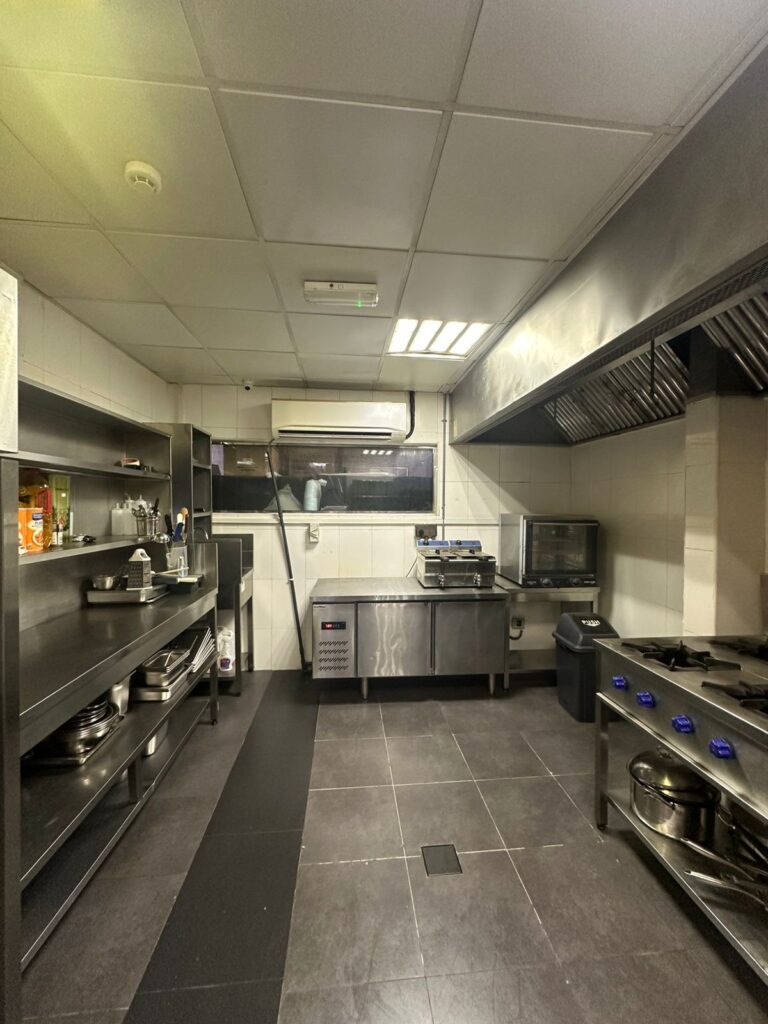
One of the most fundamental cloud kitchen design mistakes is failing to establish proper workflow zones. Every commercial kitchen should follow the Golden Triangle principle — an efficient layout connecting the three key areas: prep, cooking, and plating.

In many cloud kitchens, space is limited, but staff still need smooth access to essential stations. When zones overlap or are placed too far apart, it increases unnecessary movement, delays orders, and heightens the risk of accidents.

Fix:

  • Designate clear pathways between work zones.
  • Keep the prep area close to refrigeration units and cooking stations.
  • Use visual markers or floor tape to define movement flow.
  • Install shelves at waist level to minimize bending or reaching.

Remember, every step counts — shaving off just 10 seconds per order can save hours per day across hundreds of deliveries.

2) Overcrowding Equipment and Workstations

Another major cloud kitchen design mistake is cramming too much equipment into limited space. Many owners purchase every tool they think they might need, only to find the kitchen becomes difficult to navigate.

Overcrowding leads to poor air circulation, safety hazards, and unproductive staff who waste time moving around obstacles instead of cooking efficiently.

Fix:

  • Choose multi-functional equipment (e.g., combi-ovens or all-in-one mixers).
  • Conduct a space-to-equipment ratio analysis — allocate at least 40% of floor space for movement.
  • Opt for modular shelving and vertical storage instead of wide countertops.
  • Avoid impulse purchases; buy equipment only after workflow mapping.

A minimalist, well-organized layout ensures higher speed and easier cleaning — both essential for busy delivery environments.

3) Neglecting Ventilation and Temperature Control

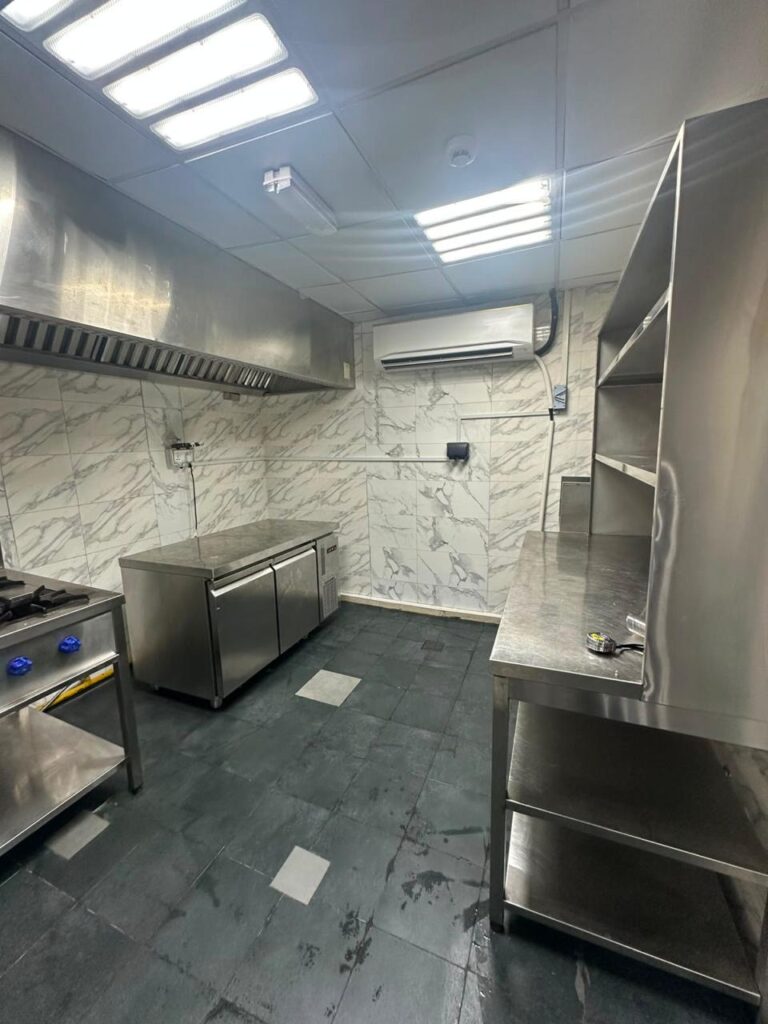
Ventilation issues are among the most common cloud kitchen design mistakes, especially in shared kitchen facilities. Poor airflow increases heat buildup, reduces equipment performance, and creates an uncomfortable working environment that lowers staff productivity.

In Dubai’s climate, where external temperatures often exceed 40°C, inadequate ventilation can also violate municipality regulations.

Fix:

  • Install high-capacity exhaust systems that cover the entire cooking line.
  • Separate hot and cold zones to reduce overall kitchen temperature.
  • Maintain regular HVAC cleaning schedules to ensure efficiency.
  • Use air curtains near entrances to maintain temperature balance.

A properly ventilated kitchen is safer, more comfortable, and helps reduce equipment maintenance costs over time. In this way we can avoid the major cloud kitchen design mistakes.

4) Inadequate Storage Planning and Labeling Systems

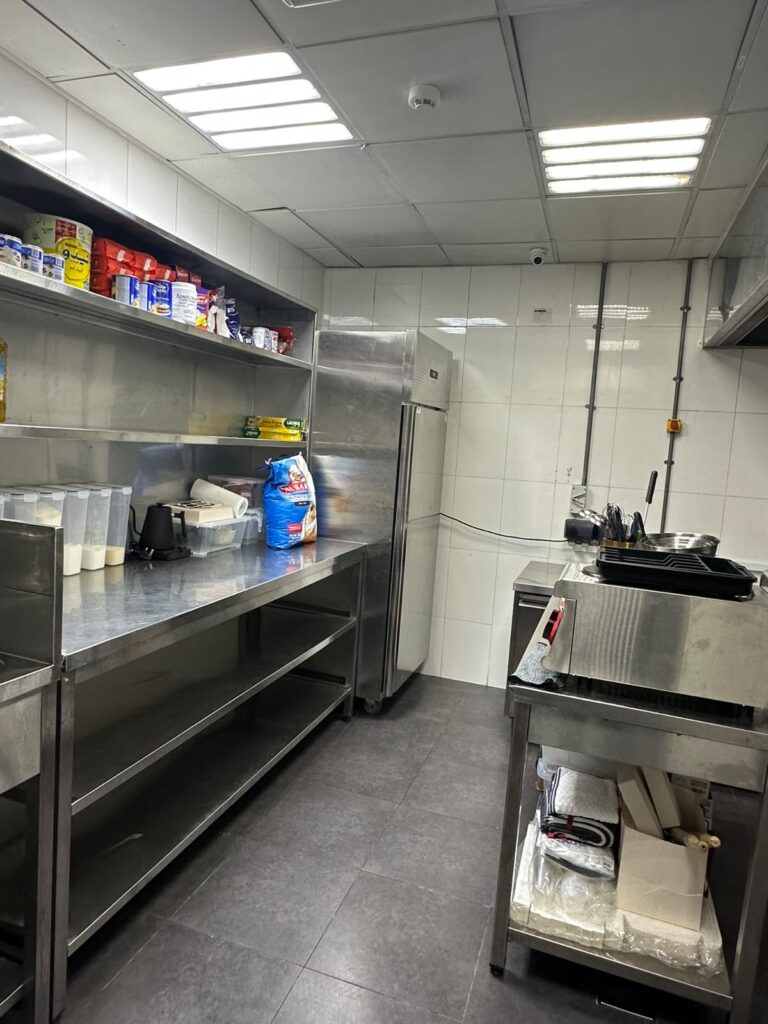
Improper storage layout is another frequent cloud kitchen design mistake. When ingredients, packaging materials, or utensils aren’t stored logically, it slows down prep time and increases the risk of spoilage or contamination.

Without clear labeling or FIFO (First-In, First-Out) systems, kitchens end up wasting inventory — a silent cost many owners overlook.

Fix:

  • Separate raw, cooked, and dry storage zones.
  • Use transparent containers and date labels for every item.
  • Position high-use items near prep stations for easy reach.
  • Install wall-mounted racks and under-counter cabinets to save space.

Good storage design can improve speed, safety, and overall hygiene compliance — all key to efficient cloud kitchen management.

5) Poor Lighting and Visibility

Lighting is often treated as an afterthought, but it directly affects productivity, safety, and food presentation. Dimly lit prep areas can lead to mistakes in portioning, while harsh overhead lights create glare that tires the eyes.

Fix:

  • Use bright, neutral LED lighting across all work zones.
  • Add under-cabinet lights near prep counters.
  • Choose easy-to-clean fixtures rated for commercial kitchens.

Eliminating this cloud kitchen design mistake improves working conditions and reduces staff fatigue — which translates to faster, more accurate output.

6) Ignoring Technology Integration During Design

Modern cloud kitchens rely on technology — from order-management systems to smart appliances. Yet, many kitchens make the design mistake of planning tech integration after construction, leading to tangled wires, network issues, or incompatible setups.

Fix:

  • Pre-plan space for POS screens, tablets, and printers.
  • Include extra electrical outlets and backup power sources.
  • Position routers centrally for stable Wi-Fi connectivity.
  • Integrate digital dashboards and IoT monitoring systems for real-time performance tracking.

Building tech infrastructure into your initial design prevents future operational headaches and supports scalability.

7) Failing to Plan for Future Expansion

The most overlooked cloud kitchen design mistake is short-term thinking. Many operators design for their current volume instead of forecasting growth. As orders increase, the kitchen quickly outgrows its capacity, causing chaos and inefficiency.

Fix:

  • Plan flexible layouts that can adapt to additional brands or cuisines.
  • Invest in modular counters, movable prep tables, and scalable storage.
  • Keep extra utility capacity (water, power, ventilation) to support new equipment later.

Designing with scalability in mind ensures smoother expansion and avoids costly redesigns.

How to Fix These Cloud Kitchen Design Mistakes (Pro Tips)

Here are actionable steps to prevent or correct cloud kitchen design mistakes:

  1. Conduct a workflow simulation before finalizing your layout.
  2. Consult professional designers experienced in commercial kitchen ergonomics.
  3. Use design software (like AutoCAD or SketchUp) to visualize space flow.
  4. Prioritize safety and sanitation — plan handwashing zones and waste management early.
  5. Audit efficiency quarterly to identify new bottlenecks.

Avoiding small mistakes early can save tens of thousands in annual operating costs and dramatically increase delivery speed and customer satisfaction.

Final Thoughts

Design is the backbone of every successful cloud kitchen. When planned thoughtfully, it supports faster workflow, lower energy bills, and happier staff. When ignored, even the best brands struggle to deliver consistent quality.

From workflow zoning to ventilation and tech integration, each of the cloud kitchen design mistakes covered here can significantly impact your performance — but every one of them can be fixed with careful planning and professional advice.

If you’re launching or remodeling a cloud kitchen, don’t leave your layout to guesswork.
👉 Contact our kitchen Works design consultants today for a free layout audit and custom efficiency plan tailored to your business.

Scan the code
Open Chat
error: Content is protected !!