Why the Gas vs Electric Commercial Kitchen Decision Matters in the UAE
Choosing between gas vs electric commercial kitchen equipment is one of the most important decisions when planning a professional kitchen in the UAE. This decision goes far beyond personal preference—it directly impacts operational costs, municipality approvals, kitchen safety, cooking quality, and long-term business scalability.
In the UAE’s highly regulated foodservice environment, restaurants, cloud kitchens, bakeries, and hotels must comply with strict civil defense, municipality, and food authority requirements. A wrong decision in the gas vs electric commercial kitchen debate can lead to redesigns, approval delays, higher utility bills, or even operational shutdowns.
Many business owners still choose equipment based only on upfront cost. However, experienced kitchen consultants know that lifecycle cost, compliance, and energy efficiency matter far more in the long run.
This comprehensive guide explains gas vs electric commercial kitchen equipment from a UAE-specific perspective, helping you make an informed, compliant, and profitable choice.
Understanding Gas vs Electric Commercial Kitchen Equipment
Before comparing performance and cost, it’s important to understand how each system functions in a commercial environment.
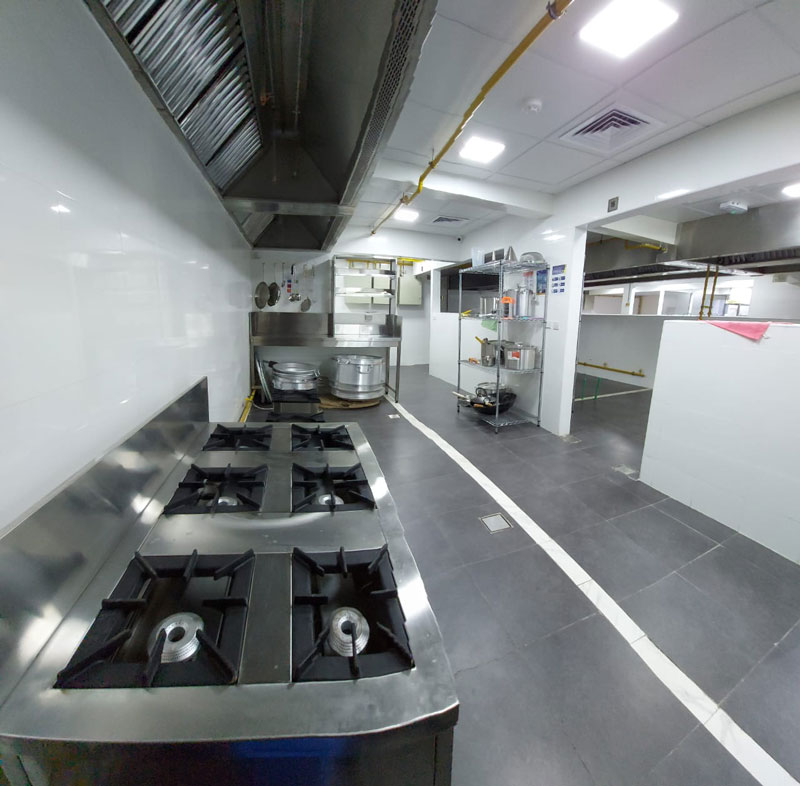
Gas Commercial Kitchen Equipment
Gas equipment operates using:
- LPG cylinders
- Centralized gas supply systems
Common commercial kitchen gas equipment includes:
- Cooking ranges
- Charcoal and lava grills
- Deep fryers
- Tandoors
- Wok burners
Gas systems are traditionally preferred in high-heat, fast-paced kitchens.
Electric Commercial Kitchen Equipment
Electric equipment runs on:
- Single-phase or three-phase electrical connections
Common electric kitchen equipment in UAE kitchens includes:
- Convection ovens
- Combi ovens
- Induction cookers
- Electric griddles
- Bain-maries and holding units
Modern electric appliances are increasingly popular due to precision and sustainability.
Understanding these fundamentals is essential before diving deeper into the gas vs electric commercial kitchen comparison.
Cost Comparison: Gas vs Electric Commercial Kitchen in the UAE
Initial Setup Cost
When comparing gas vs electric commercial kitchen installation costs, upfront pricing often influences decisions.
Gas Equipment Setup
- Lower equipment purchase price
- Additional cost for:
- Gas pipelines
- Leak detection systems
- Emergency shut-off valves
- Fire suppression integration
Electric Equipment Setup
- Higher equipment cost
- Increased electrical load planning
- Potential transformer upgrades
➡️ Gas equipment appears cheaper initially, but infrastructure and approvals can increase overall setup cost.
Running & Utility Costs in UAE Kitchens
Utility cost is a critical factor in the gas vs electric commercial kitchen debate.
Gas
- Lower fuel cost compared to electricity
- Stable pricing in most Emirates
- Ideal for continuous high-volume cooking
Electric
- Higher electricity tariffs
- Energy-efficient models reduce wastage
- Induction technology lowers heat loss
In high-volume restaurants, gas often delivers better cost efficiency. However, energy-efficient electric kitchens can outperform gas in controlled cooking environments.
Cooking Performance & Speed: Gas vs Electric Commercial Kitchen
Gas Equipment Performance Advantages
Gas remains a chef favorite for good reason:
✔ Instant heat response
✔ Visual flame control
✔ High-temperature output
✔ Ideal for grilling, frying, and wok cooking
In the gas vs electric commercial kitchen comparison, gas wins for cuisines requiring aggressive heat and speed.
Electric Equipment Performance Advantages
Electric equipment excels in:
✔ Precise temperature accuracy
✔ Even heat distribution
✔ Consistent results
✔ Low ambient heat
Bakeries, pastry kitchens, and fine-dining operations often prefer electric equipment due to consistency.
Safety Considerations in Gas vs Electric Commercial Kitchen Design
Safety is non-negotiable in UAE commercial kitchens.
Gas Kitchen Safety Requirements
Authorities mandate:
- Gas leak detection systems
- Automatic emergency shut-off valves
- Fire suppression hoods
- Routine inspections
- Proper ventilation
Gas kitchens require strict compliance and professional design documentation.
Electric Kitchen Safety Requirements
Electric kitchens focus on:
- Load balancing
- Circuit protection
- Heat-resistant cabling
- Equipment grounding
From a safety standpoint, electric kitchens have fewer fire risks, which influences many gas vs electric commercial kitchen approval decisions.
Municipality & Authority Approvals in the UAE
Approval complexity plays a major role in the gas vs electric commercial kitchen decision.
Authorities evaluate:
- Equipment type
- Heat load
- Ventilation capacity
- Fire safety systems
- Energy consumption
Gas Kitchen Approvals
- Detailed gas drawings required
- Fire suppression mandatory
- Longer approval timelines
Electric Kitchen Approvals
- Faster approval process
- Lower fire risk
- Higher electrical documentation requirements
For cloud kitchens and compact spaces, electric kitchens often simplify approvals significantly.
Energy Efficiency & Sustainability in Gas vs Electric Commercial Kitchen
With UAE sustainability initiatives gaining momentum, energy efficiency matters more than ever.
Gas Equipment
- Efficient for continuous high-volume cooking
- Energy loss during idle periods
Electric Equipment
- Advanced energy-efficient models available
- Induction reduces heat waste
- Supports green building goals
If sustainability is a priority, modern electric kitchens often outperform gas in the gas vs electric commercial kitchen evaluation.
Maintenance & Long-Term Reliability
Gas Equipment Maintenance
- Simple mechanical design
- Lower spare part costs
- Requires regular safety inspections
Electric Equipment Maintenance
- Advanced electronics
- Higher repair costs
- Longer lifespan when properly maintained
For heavy-duty operations, gas equipment is often easier to maintain long term.
Common Mistakes to Avoid in Gas vs Electric Commercial Kitchen Planning
❌ Selecting equipment before final layout
❌ Ignoring future expansion
❌ Underestimating electrical load
❌ Skipping safety systems
❌ Designing without professional consultants
These mistakes frequently lead to approval delays and costly redesigns.
Expert Recommendation from KitchenWorks
At KitchenWorks, our UAE commercial kitchen experts recommend:
✔ Gas equipment for high-heat production lines
✔ Electric equipment for precision cooking and baking
✔ Hybrid kitchen designs for scalability
The right gas vs electric commercial kitchen solution depends on:
- Menu type
- Kitchen size
- Budget
- Approval constraints
Our designs align with UAE municipality, civil defense, and food authority standards, ensuring smooth approvals and efficient operations.
Final Thoughts: Making the Right Gas vs Electric Commercial Kitchen Decision
The gas vs electric commercial kitchen debate has no universal answer.
The most successful UAE kitchens are:
✔ Efficient
✔ Compliant
✔ Safe
✔ Scalable
Professional planning ensures the correct balance between gas and electric equipment—maximizing productivity, reducing risk, and improving profitability.
Kitchen Works specializes in end-to-end commercial kitchen design and equipment planning tailored to UAE regulations and real-world operations.
FAQs – Gas vs Electric Commercial Kitchen
Is gas cheaper than electric for commercial kitchens in UAE?
In most high-volume kitchens, gas is cheaper to operate than electricity. However, energy-efficient electric equipment can be cost-effective for low-volume or controlled cooking environments.
Are electric kitchens easier to get approved in the UAE?
Yes. Electric kitchens generally face fewer fire safety requirements, making approvals faster—especially for cloud kitchens and small spaces.
Can I mix gas and electric equipment in one kitchen?
Absolutely. A hybrid gas vs electric commercial kitchen is the most common and recommended setup in the UAE.
Which is safer: gas or electric commercial kitchens?
Both are safe when properly designed. Gas requires stricter safety systems, while electric has fewer fire risks.
What is best for cloud kitchens in Dubai?
Electric kitchens are usually the best choice due to space efficiency, faster approvals, and lower ventilation requirements.