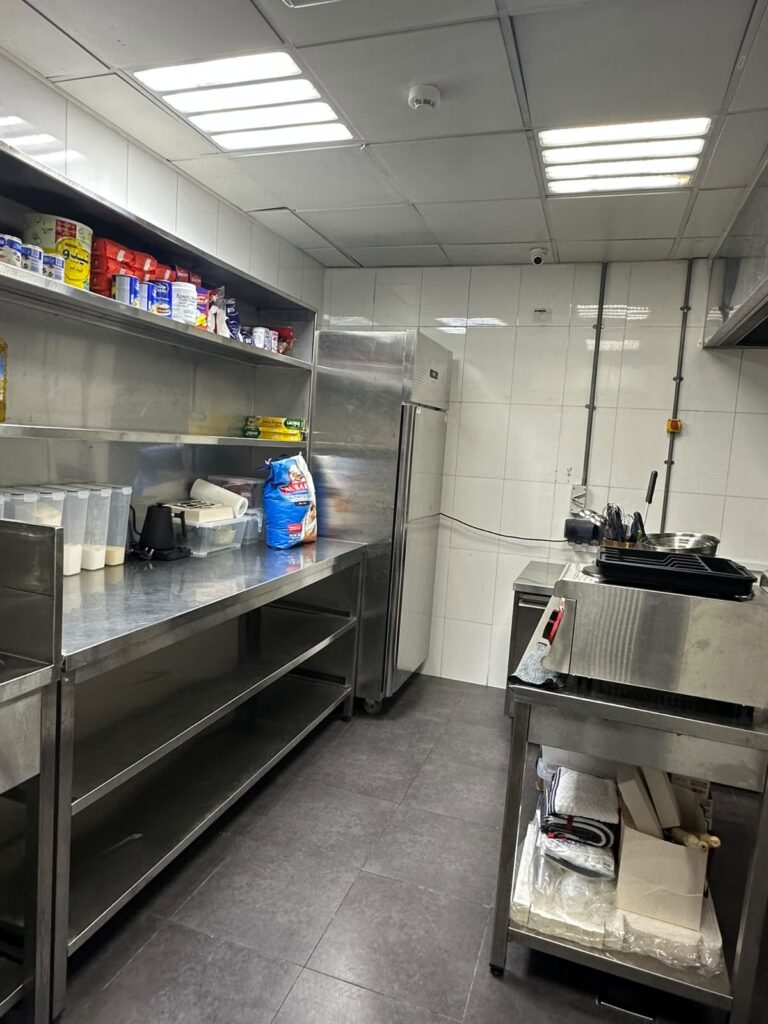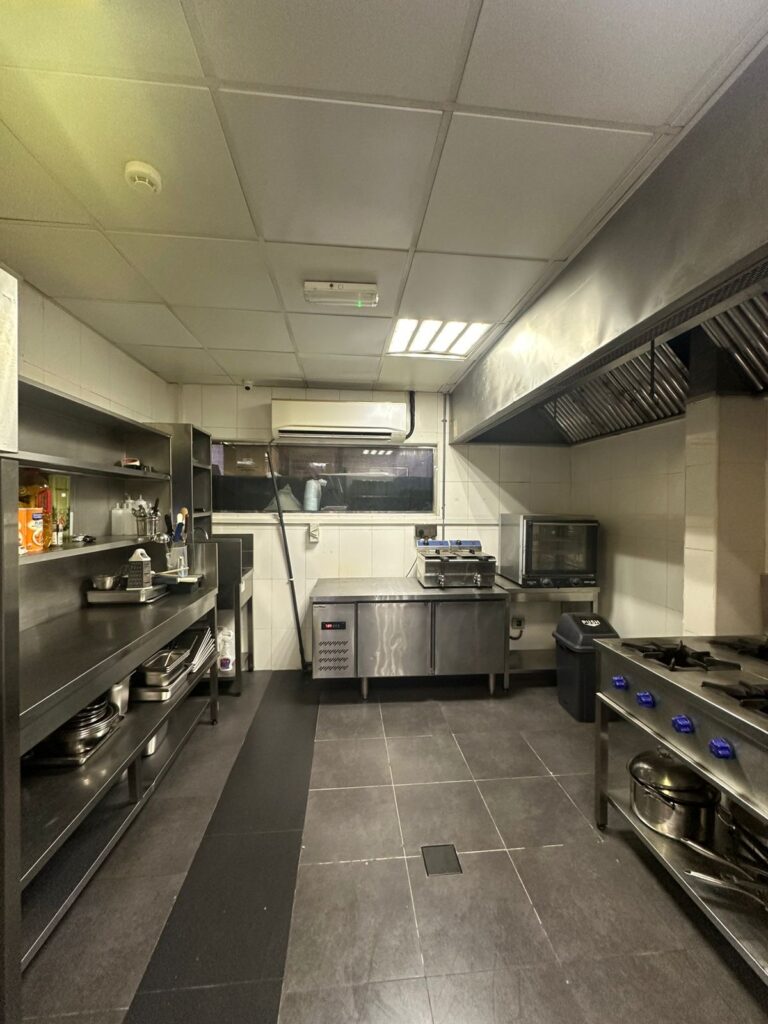
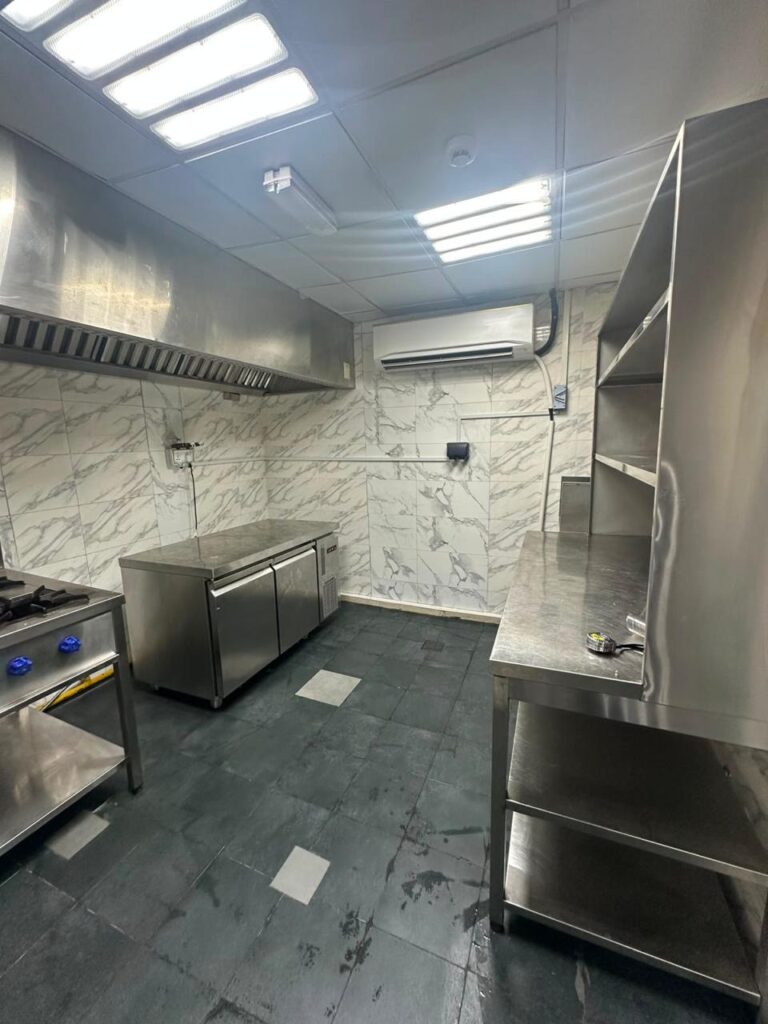
Customers usually do not see a delivery kitchen, but they experience the results of its work: the correct items, consistent food, suitable packaging and realistic communication about delays.
A well-organised unit can support those outcomes. It does not automatically bring new customers or replace the brand’s marketing and service responsibilities.
Connect workflow to a customer problem
Choose a specific issue, such as missing sides, damaged packaging or inconsistent preparation times. Trace the order through production and handoff to identify where the issue arises.
Assign a clear final check against the ticket. Keep responsibility visible when orders change or an item becomes unavailable. Review customer complaints alongside the operating records.
Protect consistency during busy periods
Use repeatable recipes and packing instructions, and train the team on them. Observe whether staff can reach equipment and packaging without blocking another task. Include cleaning and replenishment in the plan.
Test the food after realistic delivery conditions. Speed is useful only when quality, accuracy and the required handling controls are maintained.
Communicate what the operation can deliver
Keep menu availability and preparation expectations current in the ordering channels. If capacity is constrained, manage the affected items or order volume through the appropriate process instead of promising unrestricted service.
Use verified feedback to improve the process. A layout change is not evidence that ratings, repeat orders or revenue have increased; those outcomes need their own measurement.
For the related operating checks, read the dispatch process guide.
Separate facility support from brand management
Kitchen Works rents private enclosed units in Al Quoz 4, with shared facility amenities and 24/7 tenant access. Confirm the selected equipment inventory, included services and current 12-month agreement through the current rental FAQs and a written quote.
Kitchen Works supports premises, maintenance and dispatch arrangements. Tenants operate their brands and customer channels. Discuss the workload when you arrange a viewing, and use the licensing responsibilities guide to clarify responsibilities before opening.