The food business is changing fast. Rising rents, unpredictable footfall, and high operational costs have pushed many entrepreneurs to rethink traditional restaurant models. That’s where ghost kitchen profitability becomes a game-changer.
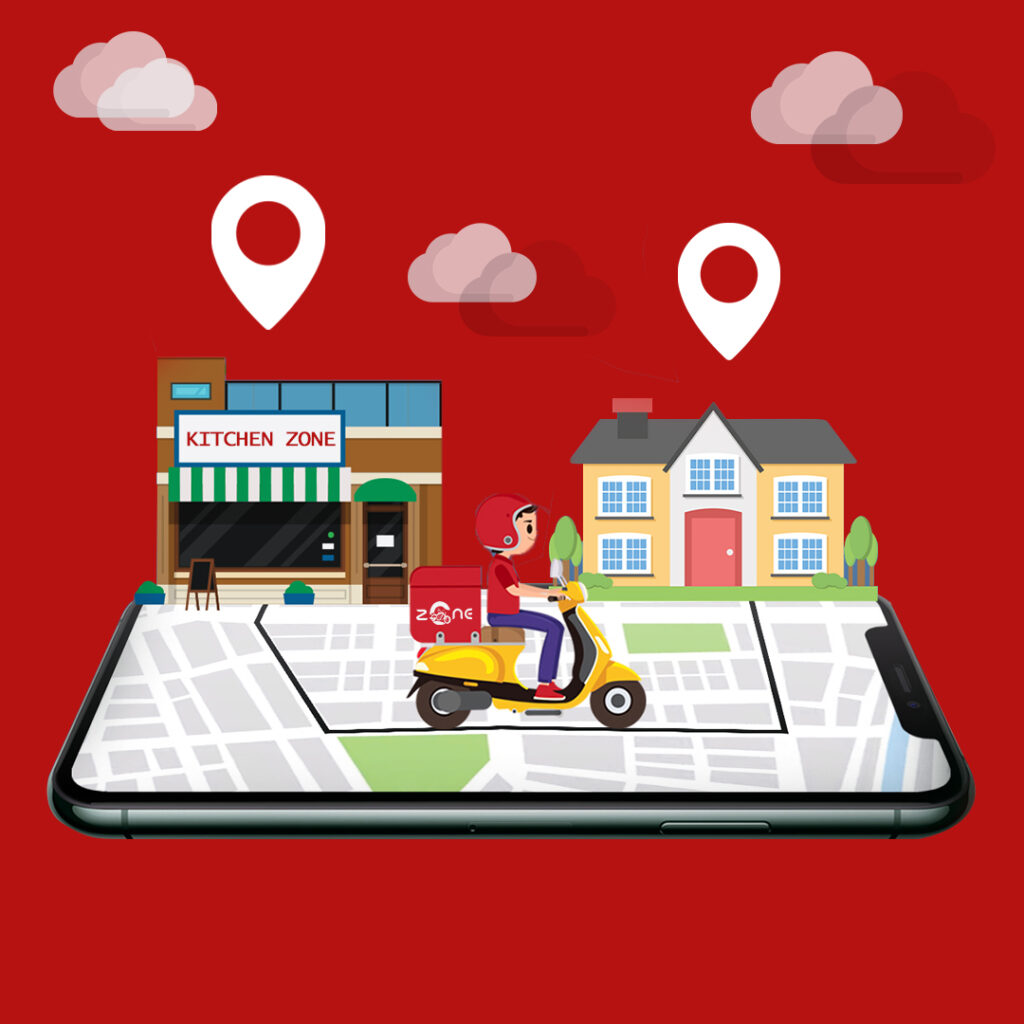
Ghost kitchens—also known as cloud kitchens or virtual kitchens—allow food brands to operate without dine-in spaces, focusing entirely on delivery and takeaway. But here’s the truth: not every ghost kitchen is profitable. Success depends heavily on choosing the right infrastructure, systems, and strategy.
In this in-depth guide, you’ll learn exactly how to build a profitable food brand by designing a smart ghost kitchen setup that maximizes efficiency, margins, and scalability.
Understanding Ghost Kitchen Profitability in Today’s Food Market
Ghost kitchen profitability isn’t just about low rent. It’s about building an optimized ecosystem where every square foot, staff hour, and ingredient works harder for your brand.
Why ghost kitchens are booming
Several market forces are driving this model:
- Explosion of food delivery apps
- Rising commercial real estate costs
- Demand for niche and specialty food brands
- Data-driven menu engineering
With the right setup, a ghost kitchen can reach profitability 2–3x faster than a traditional restaurant.
What profitability really means in a ghost kitchen
True ghost kitchen profitability includes:
- Sustainable monthly margins
- Predictable cost structures
- Ability to scale without massive reinvestment
- Consistent food quality across locations
Profit isn’t accidental—it’s engineered.
Ghost Kitchen Profit Starts with the Right Infrastructure
Your infrastructure is the backbone of your operation. Poor infrastructure leads to delays, waste, and unhappy customers—three profit killers.
Core infrastructure components you must get right
To improve ghost kitchen profitability, focus on:
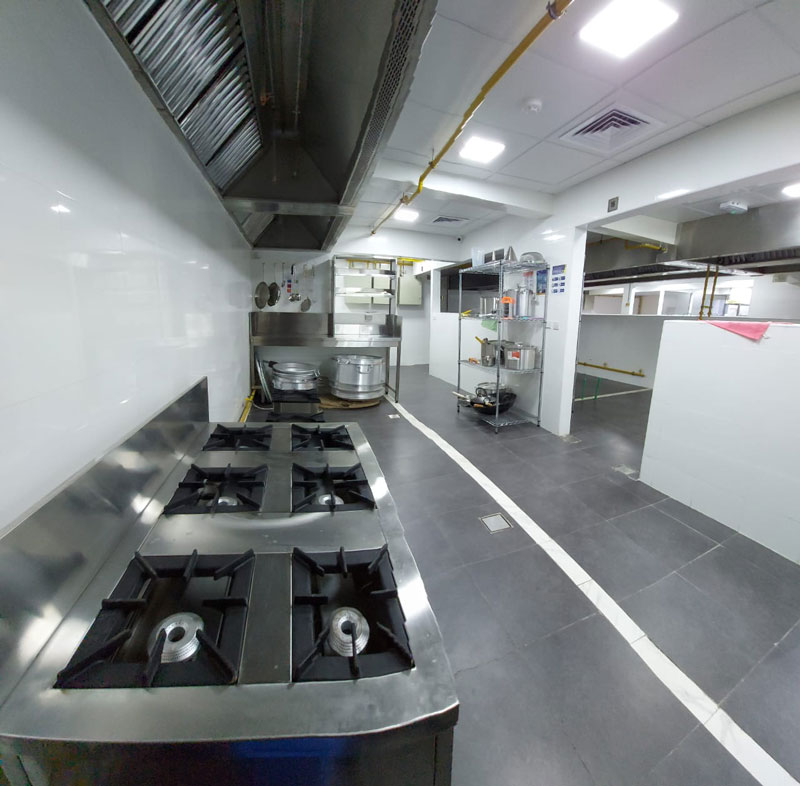
- Kitchen layout and workflow
- Equipment selection
- Technology stack
- Utility planning
- Compliance and licensing readiness
Each element directly impacts speed, cost, and consistency.
Kitchen Layout Design That Improves Ghost Kitchen Profit
A smart layout can increase output without increasing labor.
Principles of a profitable ghost kitchen layout
Design your kitchen to:
- Minimize staff movement
- Separate prep, cooking, and packing zones
- Support multiple brands or menus
- Allow easy cleaning and maintenance
Example layout zones
- Prep Zone: Cutting, marinating, portioning
- Cooking Zone: Fryers, ovens, ranges
- Assembly Zone: Plating and packaging
- Dispatch Zone: Order staging for delivery partners
When layout supports speed, ghost kitchen profitability improves automatically.
Equipment Selection for Long-Term Ghost Kitchen Profit
Buying the wrong equipment is one of the fastest ways to kill margins.
How to choose profit-friendly kitchen equipment
Focus on:
- Multi-purpose equipment
- Energy-efficient models
- Durable, commercial-grade machines
- Easy-to-service brands
Equipment mistakes to avoid
- Overbuying equipment “for future use”
- Ignoring maintenance costs
- Choosing household-grade appliances
Smart equipment decisions reduce downtime and boost ghost kitchen profitability over time.
Technology Stack That Supports Ghost Kitchen Profitability
A ghost kitchen without technology is flying blind.
Must-have tech tools
To maximize ghost kitchen profitability, invest in:
- Order management systems
- POS with delivery app integration
- Inventory management software
- Kitchen display systems (KDS)
- Data analytics dashboards
Why tech matters
Technology helps you:
- Reduce order errors
- Track food costs in real time
- Identify best-selling items
- Optimize staff scheduling
Data-driven kitchens are more profitable kitchens.
Menu Engineering for Higher Ghost Kitchen Profitability
Your menu is not just a food list—it’s a profit tool.
Characteristics of a profitable ghost kitchen menu
- Limited but focused offerings
- High-margin ingredients
- Short preparation time
- Strong packaging compatibility
Menu strategies that work
- Design menus for delivery, not plating
- Avoid items that travel poorly
- Use shared ingredients across dishes
A well-engineered menu can improve ghost kitchen profit without increasing sales volume.
Staffing Models That Increase Ghost Kitchen Profit
Labor is one of the biggest ongoing costs.
Lean staffing is key
Profitable ghost kitchens often run with:
- Cross-trained staff
- Smaller teams per shift
- Performance-based incentives
Tips to control labor costs
- Standardize recipes
- Use prep batching
- Schedule based on order data
Efficient staffing protects ghost kitchen profitability even during slow periods.
Location Strategy and Its Impact on Ghost Kitchen Profit
Location still matters—even without dine-in.
What to look for in a ghost kitchen location
- Proximity to high-order-density areas
- Easy access for delivery riders
- Affordable rent and utilities
- Zoning and licensing compatibility
Centralized vs distributed kitchens
- Central kitchens: Lower costs, higher volume
- Distributed kitchens: Faster delivery, better ratings
Choose based on your growth plan and profitability targets.
Cost Structure Breakdown for Ghost Kitchen Profit
Understanding your numbers is non-negotiable.
Typical cost distribution
- Rent & utilities: 15–25%
- Labor: 20–30%
- Food cost: 25–35%
- Marketing & platform fees: 10–20%
Profitability benchmark
A healthy ghost kitchen aims for 15–25% net margins, depending on cuisine and scale.
Scaling Infrastructure Without Killing Ghost Kitchen Profit
Growth can destroy profits if infrastructure doesn’t scale.
Infrastructure built for scaling
Plan for:
- Modular kitchen layouts
- Standardized equipment lists
- Centralized procurement
- Recipe and SOP documentation
Multi-brand strategy
Running multiple brands from one kitchen can dramatically improve ghost kitchen profitability—if systems are in place.
Common Infrastructure Mistakes That Hurt Ghost Kitchen Profit
Learn from others’ failures.
Top mistakes to avoid
- Underestimating utility requirements
- Ignoring ventilation needs
- Poor storage planning
- No buffer for peak-hour volume
Each mistake increases costs and reduces customer satisfaction.
Real-World Example: Infrastructure-Driven Ghost Kitchen Profit
Consider a burger brand operating from a well-designed ghost kitchen:
- Shared prep area for multiple brands
- One fryer station serving three menus
- Centralized packaging zone
Result:
- 22% reduction in labor costs
- 18% improvement in order speed
- Higher ratings and repeat orders
Infrastructure made the difference.
Keys to Ghost Kitchen Profit
- Smart layout improves speed and output
- Right equipment reduces downtime
- Technology enables data-driven decisions
- Menu engineering boosts margins
- Scalable infrastructure supports growth
FAQs on Ghost Kitchen Profitability
What is ghost kitchen profit?
Ghost kitchen profitability refers to the ability of a delivery-only kitchen to generate sustainable profits through optimized infrastructure, costs, and operations.
How long does it take to become profitable?
Most well-planned ghost kitchens reach profitability within 3–6 months.
Is infrastructure more important than marketing?
Yes. Marketing drives orders, but infrastructure determines whether those orders are profitable.
Can one kitchen run multiple brands profitably?
Yes, multi-brand kitchens often achieve higher ghost kitchen profitability when systems are standardized.
What is the biggest threat to ghost kitchen profits?
Poor cost control, inefficient layouts, and high delivery platform commissions.