Two listings can both say “ghost kitchen” and offer very different working spaces. One may mean a private unit on an annual agreement; another may mean a shared workstation, a support programme or a modular building. Before comparing prices, find out what you are actually renting.
The four arrangements below describe terms you may encounter, rather than four official licensing categories. They can overlap: “commercial kitchen” describes a business-use kitchen broadly, while “ghost kitchen” usually describes a delivery-led operation. The agreement and approved use matter more than the label.
1. A private kitchen unit within a larger facility
The operator has an enclosed unit for its own team, with some amenities managed at facility level. This can suit a brand that needs consistent access to its equipment and workspace. Ask which storage and wash areas are shared, what is allocated to your business and who maintains each part of the facility.
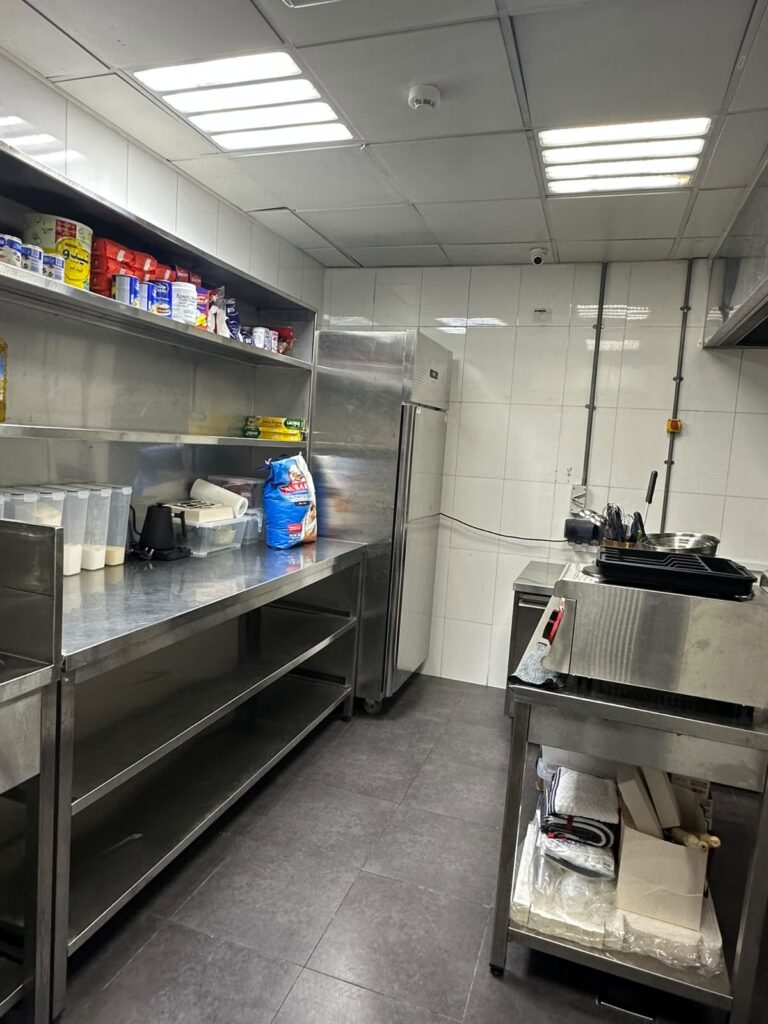
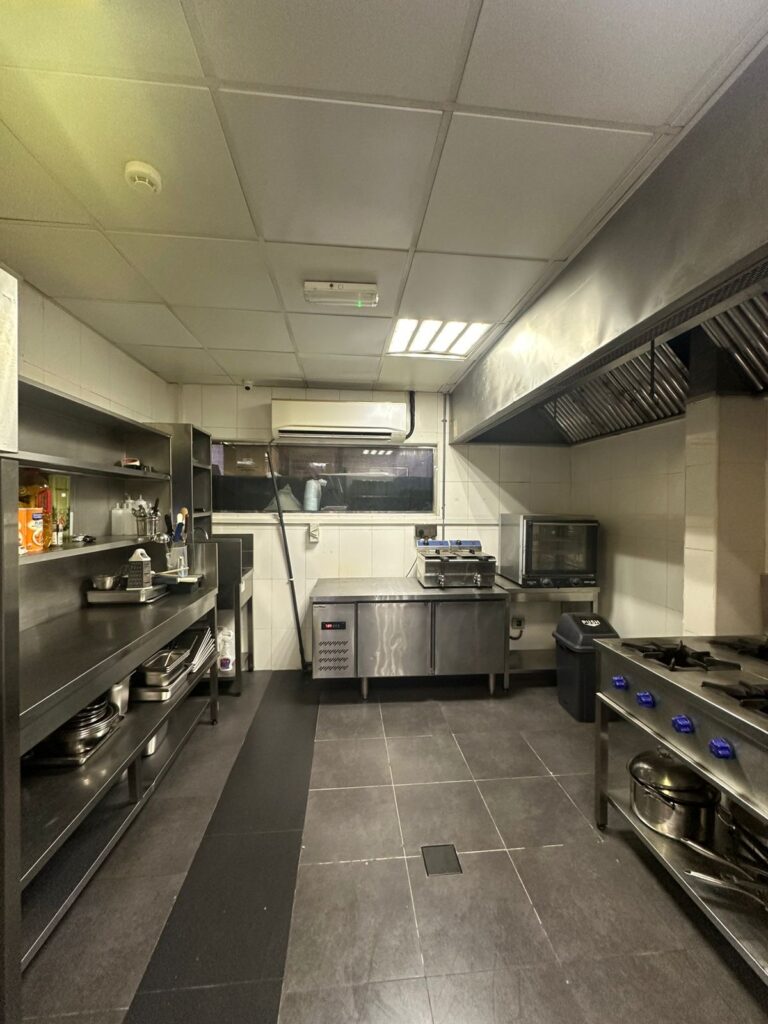
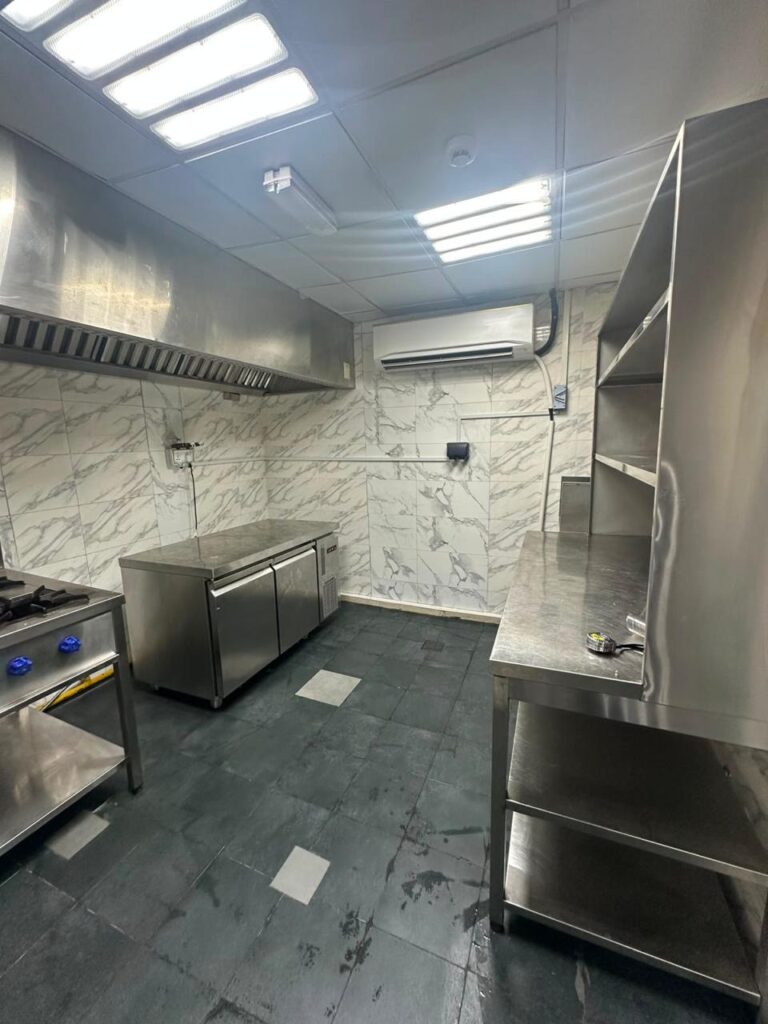
This is the arrangement Kitchen Works offers in Al Quoz 4. Units are private, with shared facility amenities and 24/7 tenant access. The current rental agreement is for 12 months. Standard equipment and utilities are included in the stated offer, but the selected unit’s inventory and terms should be confirmed in writing. See the Kitchen Works FAQs for the current offer.
2. A shared workstation or commissary arrangement
A shared-kitchen listing may refer to a station or scheduled access to a kitchen used by other operators. “Commissary” can also refer to a central production kitchen supporting a wider food business, so do not assume that the word means an hourly rental.
Ask whether the workspace is exclusive during your session, how bookings work, where ingredients and equipment remain between sessions, and how cleaning and allergen controls are managed. Confirm whether your intended activity is permitted. Kitchen Works’ private-unit rental should not be confused with an hourly shared worktop.
3. A kitchen linked to an incubator or business-support programme
An incubator may combine kitchen access with mentoring, training or other business services. The useful comparison is the actual programme: who provides the support, what is included, whether there are fees or commercial conditions, and what happens when the programme ends.
Do not assume that a furnished kitchen includes menu development, marketing, funding or licence setup. Kitchen Works provides facility and onboarding support; it does not advertise an incubator programme. Tenants remain responsible for their brand, business documents, menu and commercial decisions.
4. A modular or container-based kitchen
A kitchen pod describes a physical structure rather than a complete operating model. A modular unit still needs a suitable site, utilities, access, ventilation and approvals for its intended use. Moving the structure does not mean a business can operate from any location.
If considering this option, establish who supplies the site, obtains the relevant approvals, connects services and maintains the installation. Kitchen Works’ current offer is at its Al Quoz 4 facility; this guide is not an offer to supply pods or establish a kitchen elsewhere.
Choose the arrangement around the work your team will do
Bring your menu, equipment list and expected team size to a viewing. Check receiving, storage, preparation, cooking, packing, cleaning and dispatch in the actual space. Discuss power and extraction needs before assuming a cold-preparation unit can support hot cooking.
Kitchen Works has described helping a bakery and dessert operator move from a cold kitchen to an available hot kitchen after the menu expanded to cooked lunch dishes. That move depended on a suitable unit becoming available. Future growth is a useful discussion to have, not an automatic upgrade to build into your budget.
Whatever the arrangement, separate tenant licensing and facility approvals. If a private Al Quoz unit suits your plan, explore cloud kitchen rental in Dubai and arrange a viewing with your operating requirements.