
Why Some Home Chefs Never Grow—While Others Build 6-Figure Food Brands in Dubai
“Two home chefs started with the same passion, similar recipes, and identical dreams. Three years later, one was still waiting for WhatsApp orders, while the other had built a six-figure food brand serving hundreds of customers every week. What made the difference?”
If you’ve ever dreamed of turning your cooking passion into a successful business, you’re not alone. Every year, hundreds of Home Chefs in Dubai launch food businesses from their own kitchens, hoping to transform homemade meals into thriving brands. Some eventually become well-known names on food delivery apps and social media. Others, despite their talent, never move beyond cooking for friends, family, and a small group of loyal customers.
The difference isn’t always better recipes. It isn’t necessarily more experience. And it certainly isn’t luck.
More often than not, it comes down to mindset, planning, branding, and having the right infrastructure to support growth.
In this article, we’ll explore why some Home Chefs in Dubai remain small while others build profitable six-figure food brands. Whether you’re just starting or looking to take your business to the next level, these lessons can help you avoid common mistakes and unlock new opportunities.
Every Successful Food Brand Starts with a Dream
Meet Sara.
Sara isn’t a celebrity chef. She didn’t attend culinary school, and she never imagined owning a food business. She simply loved cooking for her family.
Friends constantly complimented her biryani, homemade desserts, and signature pasta dishes. Before long, they encouraged her to start selling online.
- She created an Instagram page, posted a few photos, and accepted her first order through WhatsApp.
- The feeling was unforgettable.
- Someone had actually paid for her food.
- That first order quickly became five. Then ten. Soon, weekends were fully booked, and she was preparing meals late into the night.
- Everything seemed to be moving in the right direction.
- Until it wasn’t.
The Hidden Ceiling That Stops Many Home Chefs
Sara’s story mirrors the journey of many Home Chefs in Dubai.
Growth often starts quickly because the first customers come from friends, family, and social media followers. Positive reviews spread naturally, and confidence grows with every order.
But after a few months, many home chefs hit an invisible ceiling.
- Orders become difficult to manage.
- Kitchen space feels too small.
- Storage becomes a challenge.
- Preparing multiple dishes at the same time becomes stressful.
- Maintaining hygiene standards while scaling production becomes increasingly difficult.
- Most importantly, growth slows down.
- Many talented chefs mistake this slowdown for a lack of customer demand.
- In reality, the problem is usually operational—not culinary.
The Five Stages of Every Food Business
Every successful food entrepreneur typically moves through five stages.
Stage 1: Passion
- Everything begins with a love for cooking.
- At this stage, success is measured by compliments and repeat family orders.
- There is little focus on branding or business strategy.
Stage 2: Validation
- People start paying for your food.
- Customers leave positive reviews.
- Instagram followers begin increasing.
- Confidence grows.
- This is an exciting stage because it proves that your product has market demand.
Stage 3: The Growth Trap
This is where many Home Chefs in Dubai become stuck.
Demand increases, but the kitchen doesn’t.
More orders lead to longer working hours rather than higher profits.
Instead of building a business, many chefs unintentionally create a full-time job for themselves.
Signs you’ve reached the growth trap include:
- Working 12–16-hour days
- Declining orders because of limited capacity
- Running out of storage space
- Inconsistent food quality during busy periods
- Feeling constantly overwhelmed
Many entrepreneurs remain in this stage for years.
Stage 4: Professionalization
This is the turning point.
Successful food entrepreneurs invest in systems rather than simply working harder.
They improve:
- Branding
- Packaging
- Workflow
- Menu engineering
- Customer experience
- Marketing
- Operations
Most importantly, they move production into a professional commercial kitchen that supports business growth.
Stage 5: Scaling
At this stage, the business no longer depends entirely on one person.
- The brand becomes scalable.
- New menu items are introduced.
- Food delivery expands.
- Corporate catering becomes possible.
- Multiple revenue streams develop.
- Instead of simply selling food, entrepreneurs begin building a recognizable business.
The Moment Everything Changes
- For Sara, the turning point came on a Friday evening.
- She received 47 food orders in less than four hours.
- At first, she celebrated.
- Then panic set in.
- There wasn’t enough refrigerator space.
- Her preparation table was overflowing.
- Packaging supplies covered the dining table.
- Family members couldn’t even enter the kitchen.
- For the first time, success felt like a problem.
- That weekend changed everything.
- Sara realized she didn’t need a bigger house.
- She needed a professional kitchen designed for growing food businesses.
The Decision That Changed Everything
That Friday night, Sara barely slept.
She had spent nearly 16 hours cooking, packing, answering customer messages, and coordinating deliveries. Although she had achieved record sales, she felt exhausted instead of excited.
The next morning, she asked herself a simple question:
“If my business keeps growing like this, can I continue working from my home kitchen?”
The answer was obvious.
No.
She realized that if she wanted to become one of the successful Home Chefs in Dubai, she had to stop thinking like someone selling homemade food and start thinking like the founder of a food brand.
That decision became the turning point in her journey.
Six Months Later…
Six months after moving into a professional commercial kitchen, Sara’s business looked completely different.
She no longer rushed to answer every WhatsApp message while cooking.
Her menu had expanded.
Her packaging looked premium.
She was listed on food delivery platforms.
Corporate offices started placing bulk lunch orders.
Weekend meal prep subscriptions became a new revenue stream.
Most importantly…
She wasn’t working harder.
She was working smarter.
Instead of spending every hour inside a crowded home kitchen, she focused on growing her brand, improving customer experience, and planning the future.
Her story isn’t unique.
Many successful Home Chefs in Dubai experience the same transformation once they invest in the right systems, branding, and commercial kitchen infrastructure.
The difference isn’t talent.
The difference is scalability.
The Seven Habits of Home Chefs Who Build 6-Figure Brands
1. They Invest in Their Brand
People don’t only buy food.
They buy brands they remember.
Successful food entrepreneurs invest in:
- Professional logos
- Attractive food packaging
- High-quality food photography
- Social media branding
- Consistent colors
- Clear messaging
A strong brand instantly makes customers feel more confident placing an order.
2. They Treat Social Media Like a Business Tool
Many home chefs post only when they have time.
Successful brands create content consistently.
Instead of only posting food photos, they share:
- Behind-the-scenes videos
- Cooking tips
- Customer testimonials
- Kitchen preparation
- Team stories
- New menu launches
- Reels
- Short-form videos
Customers connect with stories more than products.
That’s why storytelling has become one of the most powerful marketing strategies in today’s food industry.
3. They Know Their Numbers
Many talented cooks never calculate profit correctly.
They know their recipes—but not their margins.
Growing businesses track:
- Ingredient costs
- Packaging expenses
- Delivery charges
- Marketing spend
- Profit per order
- Average order value
Knowing these numbers allows entrepreneurs to make smarter decisions and scale confidently.
4. They Build Customer Loyalty
Getting one order is good.
Getting the same customer to order ten times is much better.
The most successful Home Chefs in Dubai focus on creating memorable customer experiences.
Simple ideas include:
- Thank-you cards
- Personalized messages
- Loyalty discounts
- Birthday offers
- Beautiful packaging
- Fast customer support
Happy customers become repeat customers—and repeat customers become your best marketers.
5. They Stop Competing on Price
One of the biggest mistakes home chefs make is trying to become the cheapest option.
Price wars rarely build sustainable businesses.
Instead, successful entrepreneurs compete through:
- Better quality
- Better presentation
- Better customer service
- Faster delivery
- Unique recipes
- Strong branding
Customers are willing to pay more when they believe they’re receiving greater value.
How Kitchen Works Helps Home Chefs Scale
At Kitchen Works, we’ve seen countless passionate cooks transform into successful food entrepreneurs.
Some started with only a handful of weekly orders.
Others came to us after social media suddenly made their business go viral.
Despite their different stories, they all shared one challenge:
Their home kitchen could no longer support their ambitions.
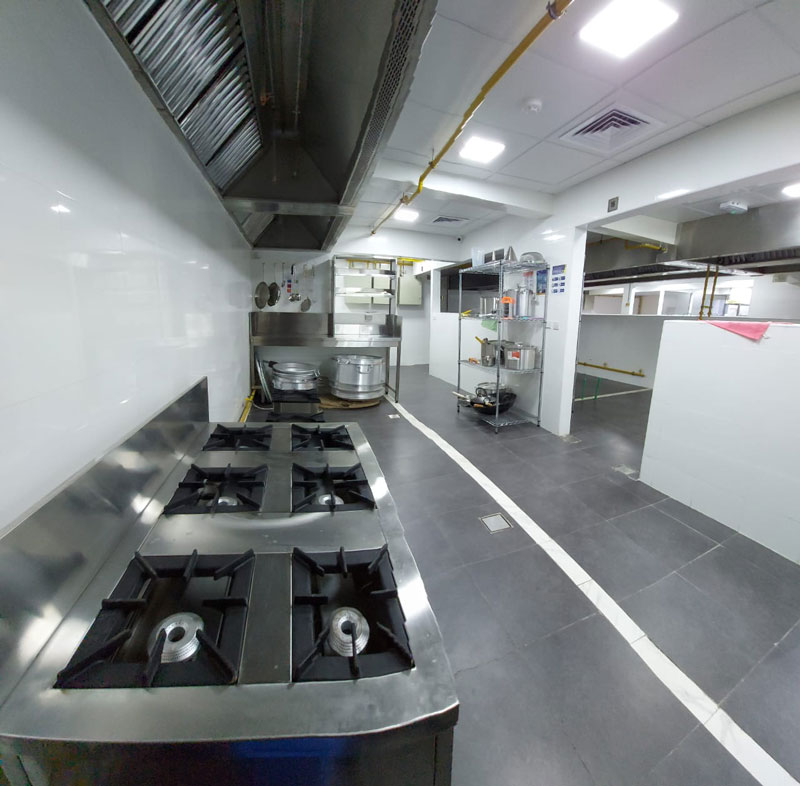
Kitchen Works provides a professional environment where food entrepreneurs can focus on building their brand rather than worrying about space, equipment, or operations.
Our commercial kitchens offer:
- Fully equipped cooking stations
- Flexible rental options
- Professional food preparation facilities
- Municipality-compliant environments
- Spacious work areas
- Reliable infrastructure for growing businesses
Whether you’re preparing 20 meals a day or 500, having the right environment allows you to grow with confidence.
The Future Belongs to Food Entrepreneurs Who Adapt
Dubai’s food industry is evolving faster than ever.
- Cloud kitchens.
- Online food delivery.
- Social media marketing.
- AI-powered ordering.
- Digital branding.
- Customer expectations continue to change every year.
The Home Chefs in Dubai who embrace these changes are creating businesses that are more profitable, scalable, and resilient than traditional food models.
Instead of opening expensive restaurants immediately, many entrepreneurs now start with a cloud kitchen, validate their concept, and expand strategically.
This approach reduces risk while creating greater flexibility for future growth.
Frequently Asked Questions
Can home chefs legally grow into commercial food businesses in Dubai?
Yes. Many food entrepreneurs begin small and eventually transition into licensed commercial kitchen facilities that meet local food safety and operational requirements. It’s important to understand the licensing and regulatory requirements before expanding.
When should I move from a home kitchen to a commercial kitchen?
If you’re regularly turning away orders, running out of space, struggling to maintain consistency, or planning to expand through delivery platforms, it may be time to consider a professional commercial kitchen.
Do I need to open a restaurant to build a successful food brand?
Not necessarily. Many successful food businesses now operate through cloud kitchens or commercial kitchens, allowing them to focus on food production and delivery without the high costs of a dine-in restaurant.
What are the advantages of using a commercial kitchen?
Professional commercial kitchens offer:
- Better food safety
- Larger preparation areas
- Commercial-grade equipment
- Increased production capacity
- Professional working environment
- Greater flexibility for business growth
How can Kitchen Works help food entrepreneurs?
Kitchen Works provides fully equipped commercial kitchens designed for startups, home chefs, caterers, bakeries, meal-prep companies, and cloud kitchen operators looking to scale their businesses efficiently.