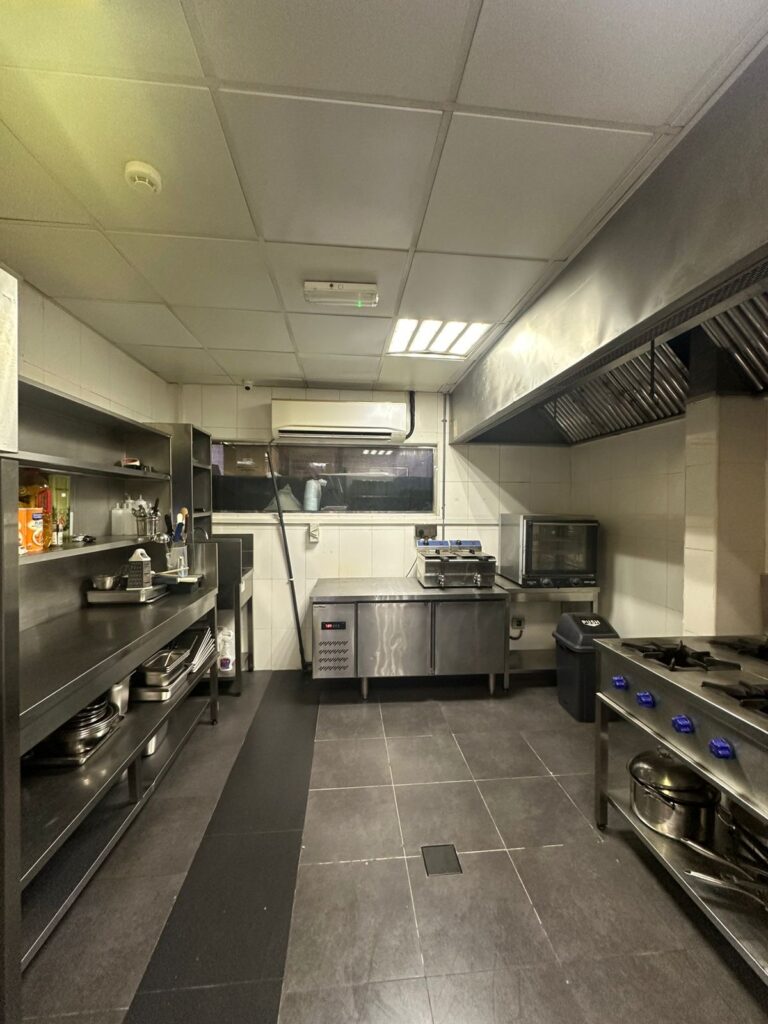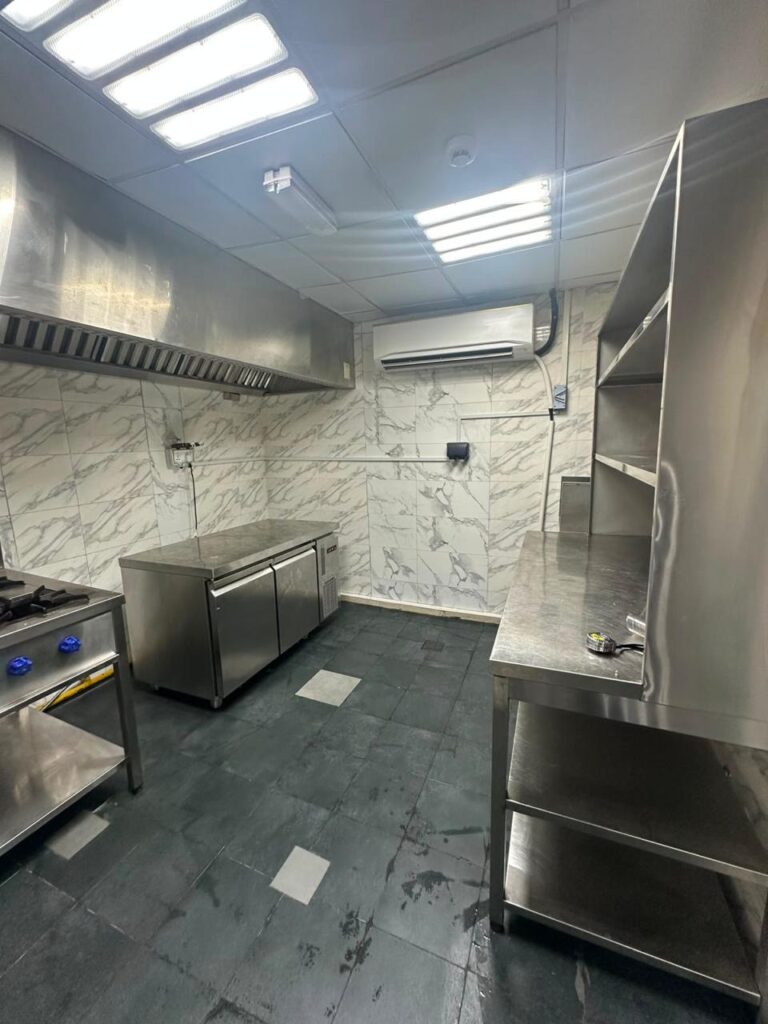
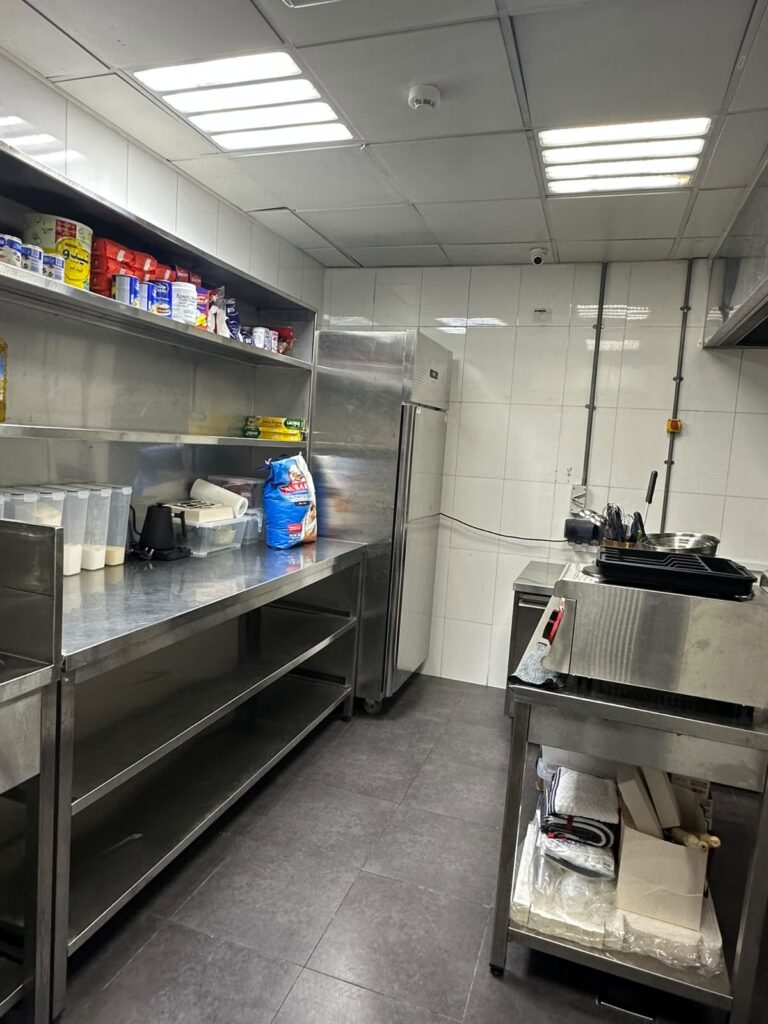
Two menus can use the same kitchen and still create very different workloads. A second brand may share ingredients with the first, yet need the same fryer, packing bench and staff at the busiest moment.
A multibrand operation should be assessed as a production and commercial decision. Adding names to delivery platforms does not by itself create spare capacity or profitable demand.
Define who operates each brand
One business may operate several virtual concepts from a unit. That is different from several independent tenants renting private units in the same facility. Establish the actual operator, staff responsibilities and permitted activities for your proposed arrangement.
Check the relevant licensing and platform requirements before launching an additional brand. A kitchen agreement does not automatically approve every concept or listing. The licensing responsibilities guide explains the separation between facility approvals and tenant responsibilities. Use the delivery-platform onboarding guide to prepare the listing and order-management checks.
Test the combined workload
Build a sample service plan with orders from all proposed brands arriving together. Identify shared appliances, prep surfaces, refrigeration, packing space and staff. Include cleaning and changeovers rather than counting only cooking minutes.
Shared ingredients can simplify purchasing, but each recipe still needs controlled portions, stock records and allergen handling. A dessert menu and a hot-food menu may have different storage and production requirements even if their peak times appear complementary.
Keep each brand’s economics visible
Record sales, ingredients, packaging, channel charges, refunds and promotions for each concept. Allocate shared staffing and premises costs consistently when assessing the overall operation. Otherwise a busy brand can conceal another brand’s losses.
Consider the additional photography, packaging, menu maintenance and customer support. A second brand also needs a reason for customers to choose it. Similar menus under different names do not establish extra demand.
Launch changes in a controlled sequence
Standardise the first menu’s production and ordering process before adding complexity. Use a limited, operationally manageable introduction and monitor accuracy, preparation time, waste and customer feedback.
Agree in advance what would justify expansion, revision or withdrawal. Those criteria should reflect your own costs and capacity; there is no universal number of brands that a kitchen should run.
Discuss unit fit with Kitchen Works
Kitchen Works provides private enclosed units in Al Quoz 4 with shared facility amenities. Bring the full combined appliance list, menu and staffing plan to the viewing. Confirm the selected inventory and the current 12-month agreement through the current rental FAQs.
The team has supported tenants moving to larger units as their operations grew, subject to suitable space becoming available. Read the capacity and scaling guide and arrange a viewing before committing to another concept.