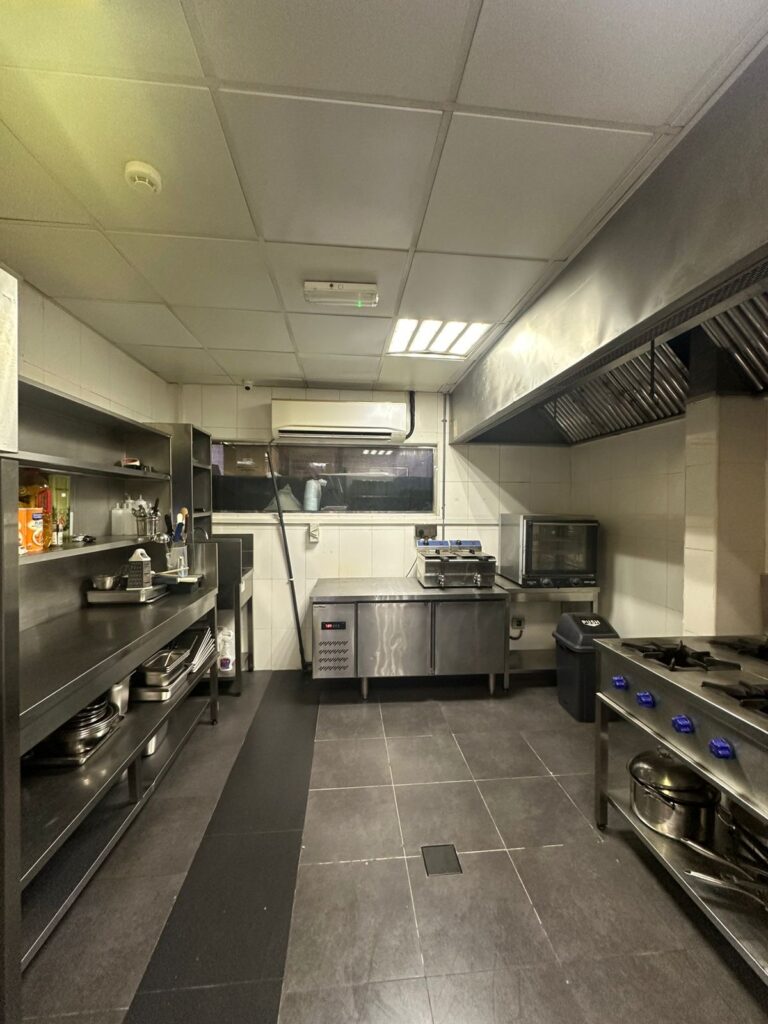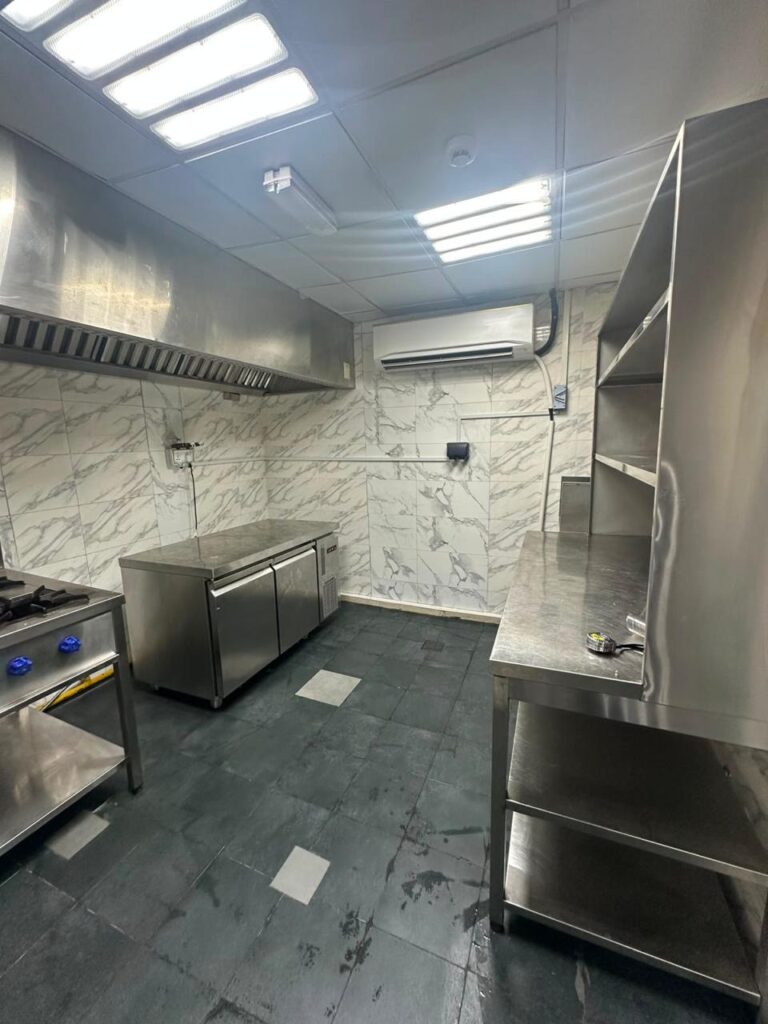
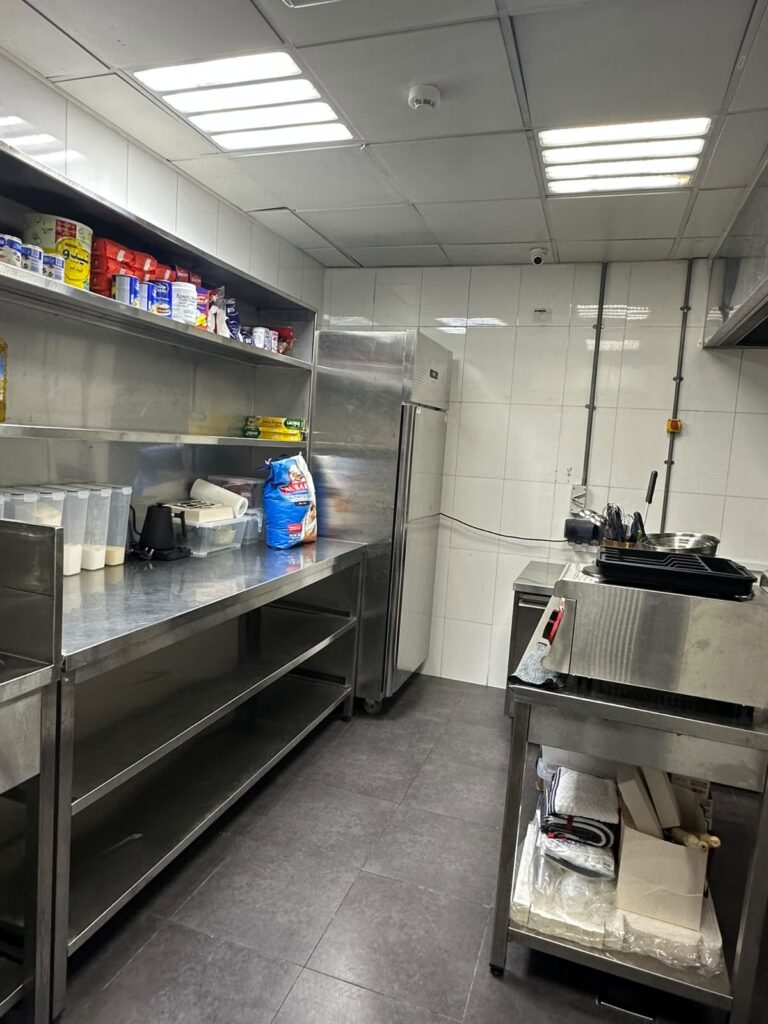
A low monthly rent can look attractive until you add the equipment, deposits and operating costs needed to open. To judge whether a cloud kitchen is affordable, compare the total commitment with the money your business can realistically support.
There is no single rental price or startup budget that fits every food brand. This guide explains what to put in a quotation comparison and how to separate the cost of securing a kitchen from the cost of running the business.
Start with the unit and the agreement
Ask for the rent, contract length, payment schedule, deposit and any other charges in writing. Confirm whether quoted amounts include applicable taxes and which payments are refundable. Compare equivalent kitchen types and the same rental period; a headline monthly figure can conceal a different upfront commitment.
Kitchen Works offers private enclosed units in Al Quoz 4 on a 12-month agreement. Standard equipment and utilities are included in its stated offer, but rent and the equipment inventory depend on the selected unit. Check the current rental FAQs and obtain a current quotation rather than treating an online price range as an offer.
List what you would otherwise have to buy
Bring an appliance list based on the menu. Record what is already in the unit, what you will supply, whether it can be connected safely and who is responsible for repairs. Check storage, preparation surfaces, refrigeration and packing space as carefully as the cooking line.
A furnished kitchen can reduce the need to arrange parts of a fit-out yourself. The value depends on whether that equipment suits your operation. An included appliance that cannot handle your production volume does not eliminate the cost of the equipment you still need.
Separate setup spending from monthly costs
Your opening budget should identify deposits, business licensing, staff documents and training, additional equipment, initial ingredients, packaging and launch preparation. Keep government fees separate from any consultant or service-provider charges. The licensing responsibilities guide explains which responsibilities remain with the tenant.
Your operating budget should include payroll, ingredients, packaging, platform charges, promotions, insurance or other applicable costs, and anything excluded from the rental agreement. Use supplier quotes and your own menu costing. Avoid adding utilities twice if they are already included in the rent.
Test a quieter month before committing
Calculate how much a representative order contributes after its variable costs, then estimate how many orders are needed to cover the costs that continue each month. Prepare a lower-sales scenario as well as your expected case. Money spent opening the kitchen cannot also serve as the reserve for payroll and purchasing.
The Kitchen Works team asks startup founders to consider the time and capital they can commit during the first six months. That is a readiness check, not a promise that a business will become profitable within that period. Include supplier payment dates and platform settlement timing in your cash-flow plan.
Review ongoing services and support
Check recurring software subscriptions and other services against actual use, including cancellation terms and any replacement cost. Ask who maintains equipment, which work is included and what may be charged separately. Where provider references are available with permission, ask about practical support and disruption handling rather than assuming a furnished unit eliminates all maintenance costs.
Compare location and suitability alongside price
Check the delivery coverage available to your brand from the actual address and test how the menu travels. A cheaper unit is poor value if it cannot reach your intended customers or support the cooking process. Kitchen Works’ facility is in Al Quoz 4.
Bring your menu, equipment list, staffing plan and budget when you arrange a viewing. You can review cloud kitchen rental in Dubai first, then compare a specific unit and written terms with the alternatives on your shortlist.