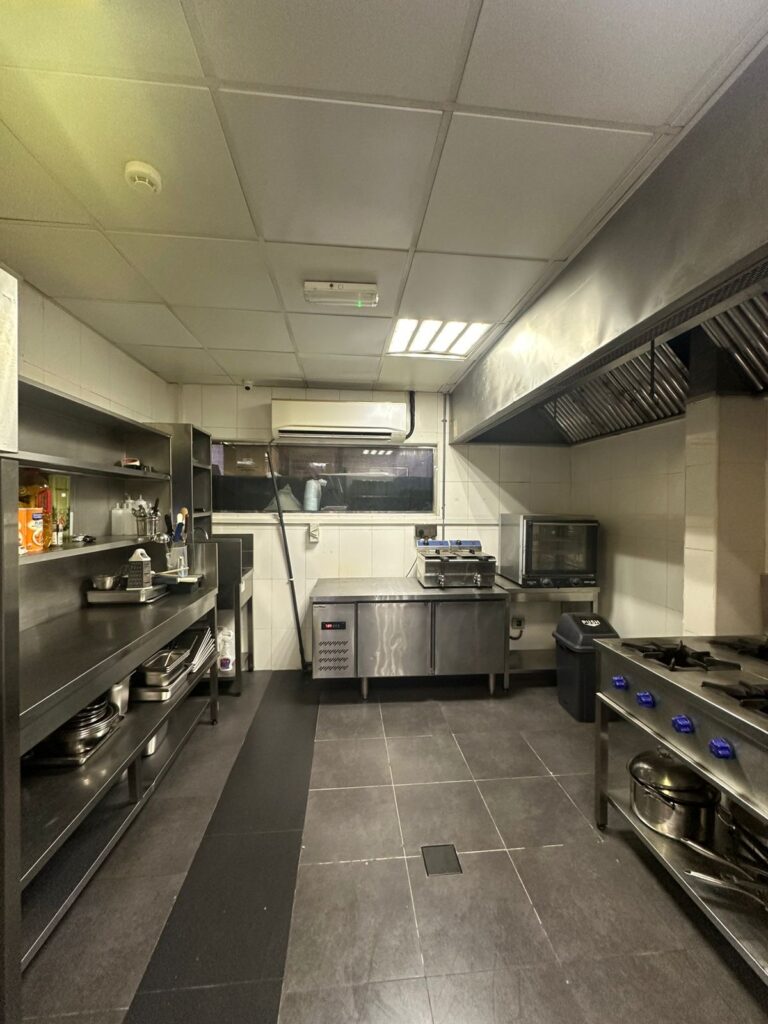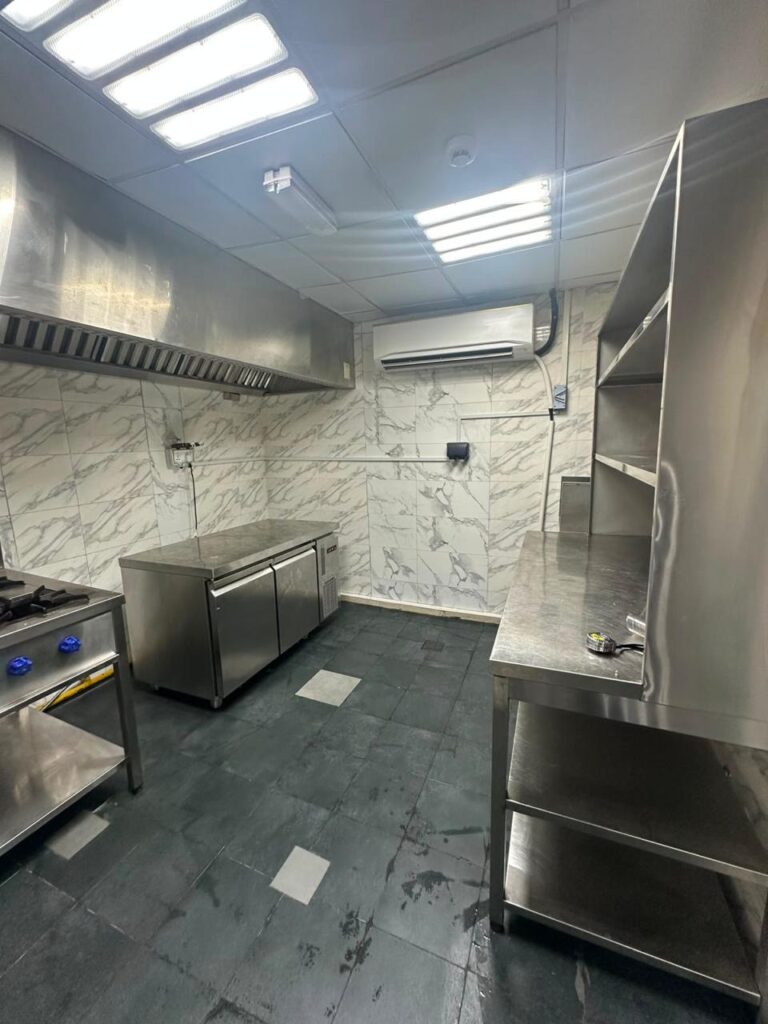
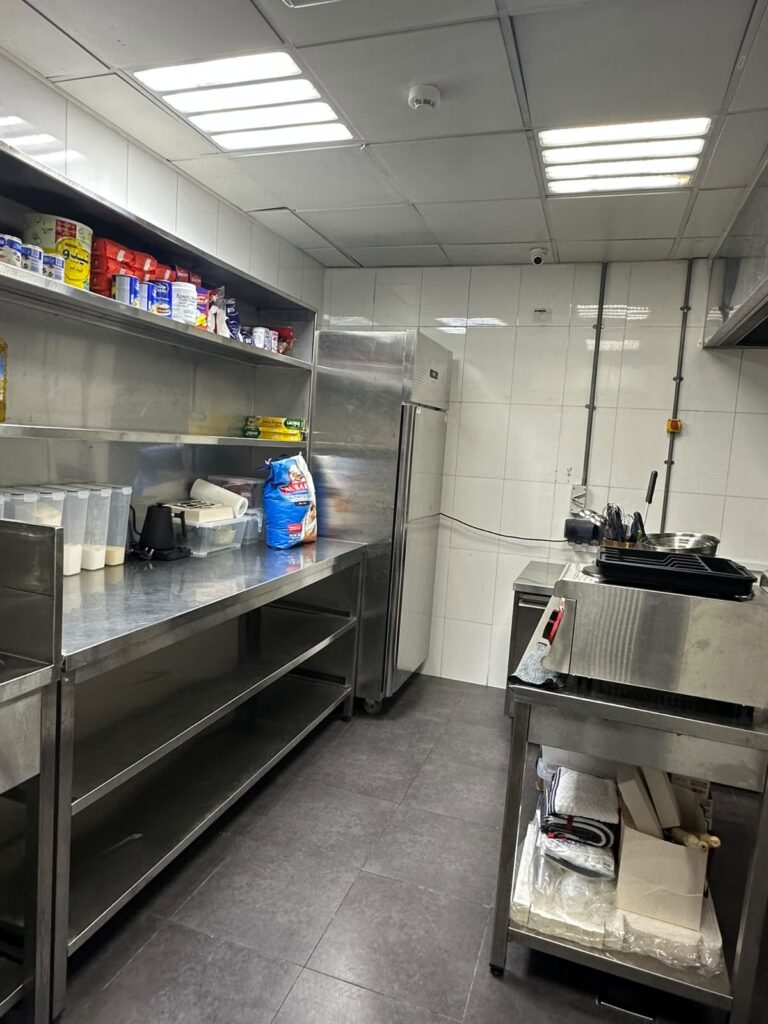
A food brand and the kitchen facility it rents from are different businesses. Before creating a Google Business Profile, establish which business the profile represents and whether that operating model qualifies.
For a delivery-only tenant, adding the kitchen address to a map listing without checking the rules can confuse customers who expect to collect food there.
Check the virtual food brand rules first
Google permits delivery-only virtual food brands subject to conditions, including distinct branded packaging and a distinct website. Multiple brands at one location can face additional verification. Delivery-only brands must hide their address and specify service areas. Co-located brands offering pickup have separate signage requirements and may show their address only when pickup is available to all customers.
Read Google’s official representation guidelines, including the virtual food brands section, before proceeding. A facility’s own profile does not automatically establish eligibility for every tenant brand.
Prepare information customers can rely on
Keep the brand name, contact details, operating hours and ordering information consistent with the actual business. Check holiday changes and temporary closures. Distinguish food-ordering hours from access hours at the kitchen facility.
Use current photographs of the actual dishes and packaging. Give staff a clear process for reporting menu changes, unavailable items and incorrect contact information. Test the customer journey from discovery to the ordering destination.
Manage feedback as an operating task
Assign someone to review incoming questions and feedback. Respond to the experience described, investigate order-specific concerns privately and avoid posting customer personal information. Feedback about preparation, packaging or missing items can help identify operational improvements.
Use requests for honest feedback consistently. Do not offer rewards for any review or selectively ask only customers who seem satisfied or treat a review count as proof of sales. The purpose is to help customers make an informed choice and to learn from their experience.
Measure actions and completed orders separately
Record website visits and ordering-link activity where your tools permit it, then compare with actual orders in the relevant ordering system. A profile interaction is not automatically a completed order or a new customer.
Keep a simple change log for updated information, photographs and promotions. Compare similar periods and allow for changes in opening hours, advertising and demand before attributing a result to a profile edit.
Keep premises support separate from brand marketing
Kitchen Works rents private kitchen units in Al Quoz 4 and supports tenants with facility operations and platform onboarding. Tenants remain responsible for their brands and the applicable profile arrangements; renting a unit does not include a guaranteed search ranking or managed marketing service.
If you are preparing to launch, read the licensing responsibilities guide and discuss your menu and unit requirements when you arrange a viewing.