Table of Contents
- Introduction: Importance of Cloud Kitchen Delivery Efficiency
- Common Delivery Challenges in Busy Urban Areas
- Strategy 1: Improve Cloud Kitchen Delivery Efficiency with Smart Route Planning
- Strategy 2: Use Real-Time Order Tracking for Speed
- Strategy 3: Streamline Kitchen Workflow for Faster Preparation
- Strategy 4: Leverage Data Analytics for Delivery Optimization
- Strategy 5: Partner with Reliable and Fast Delivery Fleets
- Strategy 6: Implement Zone-Based Delivery Strategies
- Strategy 7: Enhance Packaging Efficiency
- Strategy 8: Automate Order Management and Dispatch
- Strategy 9: Train Staff to Improve Cloud Kitchen Delivery Efficiency
- Strategy 10: Track and Refine Delivery KPIs Regularly
- Conclusion: Building a Smarter and More Efficient Cloud Kitchen
- Frequently Asked Questions (FAQs)
Introduction: Importance of Cloud Kitchen Delivery Efficiency
In the fast-paced world of online food delivery, the ability to improve cloud kitchen delivery efficiency determines how competitive and profitable your business can be. Customers today expect their food to arrive quickly, hot, and perfectly packed — even during rush hour.
Cloud kitchens, also known as ghost kitchens, depend entirely on digital orders. Every second counts, and inefficiencies in preparation, packing, or delivery coordination can cost revenue and reputation. By learning how to optimize delivery times for cloud kitchens, operators can reduce food delivery time in busy areas and maintain a loyal, satisfied customer base.
Common Delivery Challenges in Busy Urban Areas
Running a cloud kitchen in a busy urban environment introduces unique challenges. Traffic congestion, high order density, limited parking, and unpredictable demand peaks can easily delay deliveries.
Moreover, competition is fierce. Customers in city centers expect ultra-fast service, and even a few minutes of delay can lead to poor reviews. To improve cloud kitchen delivery efficiency, it’s crucial to address these pain points using a combination of technology, data-driven planning, and team coordination.
Strategy 1: Improve Cloud Kitchen Delivery Efficiency with Smart Route Planning
Efficient route planning is one of the most effective ways to improve cloud kitchen delivery efficiency and reduce unnecessary delays. By using GPS-based software like Google Maps API, Routific, or Onfleet, kitchens can automatically assign the fastest and most fuel-efficient routes for delivery drivers.
Smart routing tools factor in real-time traffic, road closures, and order proximity — ensuring every driver completes more deliveries per hour. For example, a busy kitchen in central Los Angeles can cut delivery time by 25% during rush hours with automated routing.
Not only does this approach reduce food delivery time in busy areas, but it also lowers operational costs and boosts driver productivity.
Strategy 2: Use Real-Time Order Tracking for Speed
Transparency and visibility are key drivers of customer satisfaction. Implementing a real-time order tracking system helps both your customers and your internal teams stay aligned.
Customers appreciate knowing when their food is being prepared, dispatched, and arriving — reducing anxiety and support calls. Meanwhile, managers can monitor each delivery’s status and quickly respond to delays.
This visibility helps improve cloud kitchen delivery efficiency by keeping everyone accountable and allowing quick decisions that optimize delivery times on the fly.
Strategy 3: Streamline Kitchen Workflow for Faster Preparation
Kitchen inefficiencies are among the top causes of delayed deliveries. A disorganized prep station or poor task assignment can waste valuable minutes.
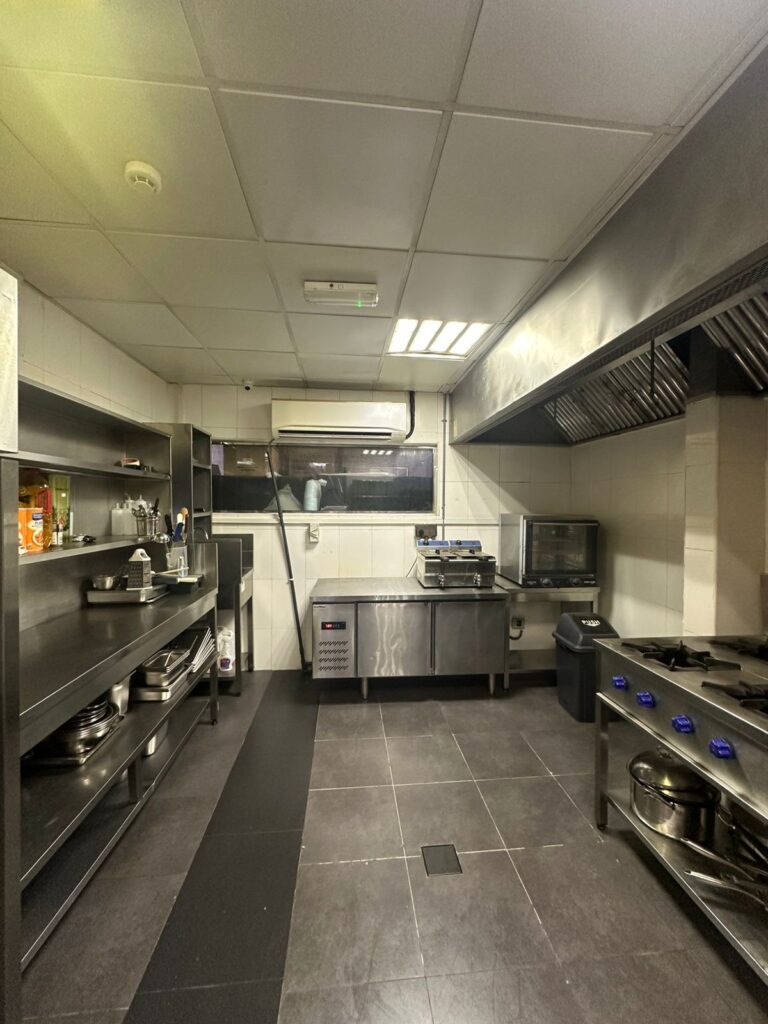
To improve cloud kitchen delivery efficiency, create a layout that supports seamless movement — from food preparation to packing to dispatch. Use digital kitchen display systems (KDS) to eliminate paper tickets, and standardize prep processes across all menu items.
Assign clear roles, such as a “delivery coordinator,” who ensures that all completed orders are promptly picked up. A well-structured workflow can save up to 10 minutes per order cycle, directly helping to reduce food delivery time in busy areas.
Strategy 4: Leverage Data Analytics for Delivery Optimization
Data analytics provides powerful insights into performance trends and hidden inefficiencies. Tools like Zoho Analytics, Tableau, or your POS dashboard can help you track how long it takes for orders to move from confirmation to delivery.
With this information, managers can identify bottlenecks, forecast busy periods, and allocate staff effectively. Predictive analytics can also anticipate spikes caused by weather changes, holidays, or nearby events.
By using data to guide staffing and dispatching decisions, you’ll consistently improve cloud kitchen delivery efficiency and keep your operations ahead of demand.
Strategy 5: Partner with Reliable and Fast Delivery Fleets
Your delivery fleet is an extension of your brand. Unreliable drivers or inconsistent fleets can destroy efficiency gains made inside the kitchen.
When selecting a third-party logistics provider, prioritize reliability, speed, and technological integration. Choose partners with GPS-enabled tracking, route analytics, and transparent communication systems.
Some cloud kitchens prefer hybrid models — combining in-house riders for core areas with external partners for overflow zones. This balance ensures steady delivery capacity and continues to improve cloud kitchen delivery efficiency even during rush periods.
Strategy 6: Implement Zone-Based Delivery Strategies
Zone-based delivery divides your service area into smaller, manageable geographic zones. Each delivery driver is assigned to a specific area, ensuring shorter travel distances and faster turnaround.
This system works exceptionally well in large cities with unpredictable traffic. By segmenting delivery territories, kitchens can avoid overextending their fleets and minimize order delays.
Many successful brands use this method to optimize delivery times for cloud kitchens and achieve a steady delivery rhythm throughout the day. The result? More orders fulfilled in less time and greater customer satisfaction.
Strategy 7: Enhance Packaging Efficiency
Packaging might seem like a small detail, but it plays a critical role in delivery performance. Complicated packaging procedures can add unnecessary time to the order cycle.
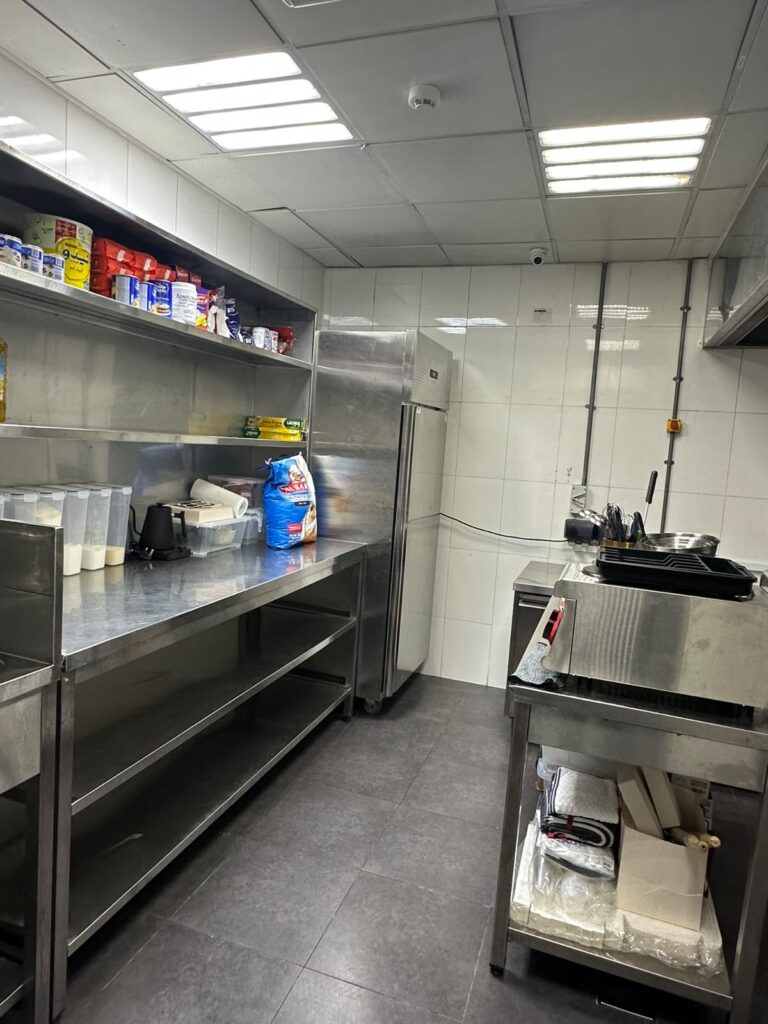
To improve cloud kitchen delivery efficiency, invest in user-friendly, standardized packaging materials. Organize your packing station for easy access to containers, cutlery, and labels.
Efficient packaging not only saves time but also maintains food quality, reducing customer complaints. A simple packaging optimization can help reduce food delivery time in busy areas while ensuring brand consistency.
Strategy 8: Automate Order Management and Dispatch
Automation is a game changer for cloud kitchens juggling orders from multiple online platforms. Integrate your POS with delivery apps to automatically receive, confirm, and queue orders for preparation.
Dispatch automation systems can instantly assign the nearest available driver, ensuring minimal lag between preparation and pickup. Tools like UrbanPiper, Deliverect, or Otter help centralize order flow across all platforms.
Automation eliminates manual errors and dramatically improves cloud kitchen delivery efficiency, freeing up your staff to focus on quality and speed.
Strategy 9: Train Staff to Improve Cloud Kitchen Delivery Efficiency
Even with cutting-edge technology, human efficiency remains vital. Well-trained staff can handle peak-hour pressure, reduce mistakes, and coordinate faster handoffs between kitchen and delivery teams.
Train employees on standard operating procedures (SOPs), communication etiquette, and time management. Encourage collaboration between chefs, packers, and riders.
Consistent training builds a culture of speed and accountability, naturally helping to improve cloud kitchen delivery efficiency while maintaining high food quality.
Strategy 10: Track and Refine Delivery KPIs Regularly
Continuous improvement is the foundation of operational success. Establish measurable Key Performance Indicators (KPIs) to monitor progress and pinpoint weak spots.
Some essential metrics include:
- Average delivery time per order
- Order accuracy rate
- Customer satisfaction (CSAT)
- Driver idle time and efficiency
Use dashboards or analytics software to track these metrics weekly. By reviewing them regularly, you can fine-tune processes and improve cloud kitchen delivery efficiency month after month.
Conclusion: Building a Smarter and More Efficient Cloud Kitchen
To thrive in the competitive food delivery industry, every business must learn how to improve cloud kitchen delivery efficiency strategically.
By adopting technologies such as automation, analytics, and smart route planning, you can transform your kitchen into a well-orchestrated operation capable of fulfilling hundreds of orders daily.
Efficiency doesn’t just reduce time — it increases customer trust, profitability, and brand reputation. Whether your kitchen serves a single neighborhood or multiple cities, following these 10 strategies will help you reduce food delivery time in busy areas and deliver exceptional service every time.
Frequently Asked Questions (FAQs)
1. How can I improve cloud kitchen delivery efficiency without increasing costs?
You can improve cloud kitchen delivery efficiency without higher costs by optimizing existing resources. Use route optimization tools, automate order management, and streamline kitchen workflows. Small operational adjustments — such as efficient packaging and zone-based delivery — can significantly reduce delivery time without major investments.
2. What are the main factors that affect delivery efficiency in cloud kitchens?
The main factors affecting cloud kitchen delivery efficiency include kitchen workflow design, staff coordination, order management systems, delivery route planning, and real-time communication between dispatchers and drivers. External factors like traffic, parking, and weather can also influence delivery performance in busy areas.
3. How does automation help improve cloud kitchen delivery efficiency?
Automation helps improve cloud kitchen delivery efficiency by minimizing manual tasks and human error. Integrating your POS with delivery apps allows automatic order entry, real-time tracking, and smart dispatching — ensuring faster handoffs between kitchen and delivery drivers. This improves accuracy and consistency while saving valuable time.
4. Why is zone-based delivery important for busy areas?
Zone-based delivery ensures that drivers handle smaller, well-defined delivery zones instead of covering an entire city. This strategy helps reduce food delivery time in busy areas, improves driver productivity, and ensures a smoother customer experience. It’s especially effective during peak hours when traffic congestion is high.
5. What is the ideal average delivery time for a cloud kitchen in a city?
The ideal average delivery time for a cloud kitchen in a metropolitan area is 25–35 minutes, depending on distance and traffic. If your deliveries consistently exceed 40 minutes, you should analyze bottlenecks and implement strategies to improve cloud kitchen delivery efficiency immediately.