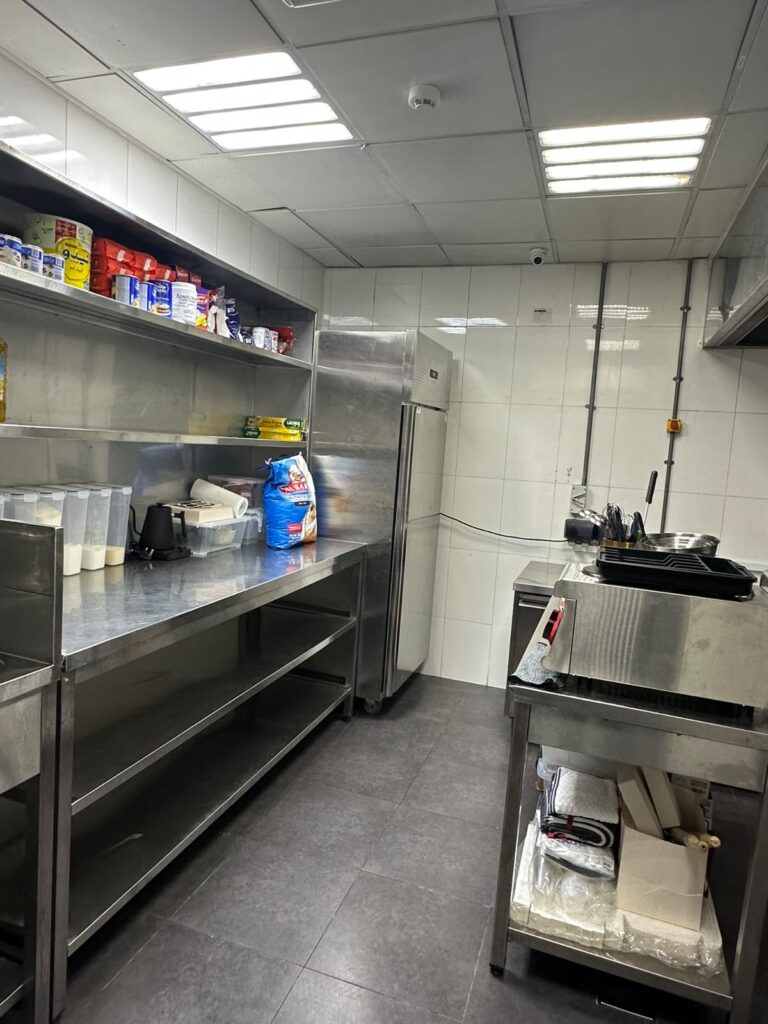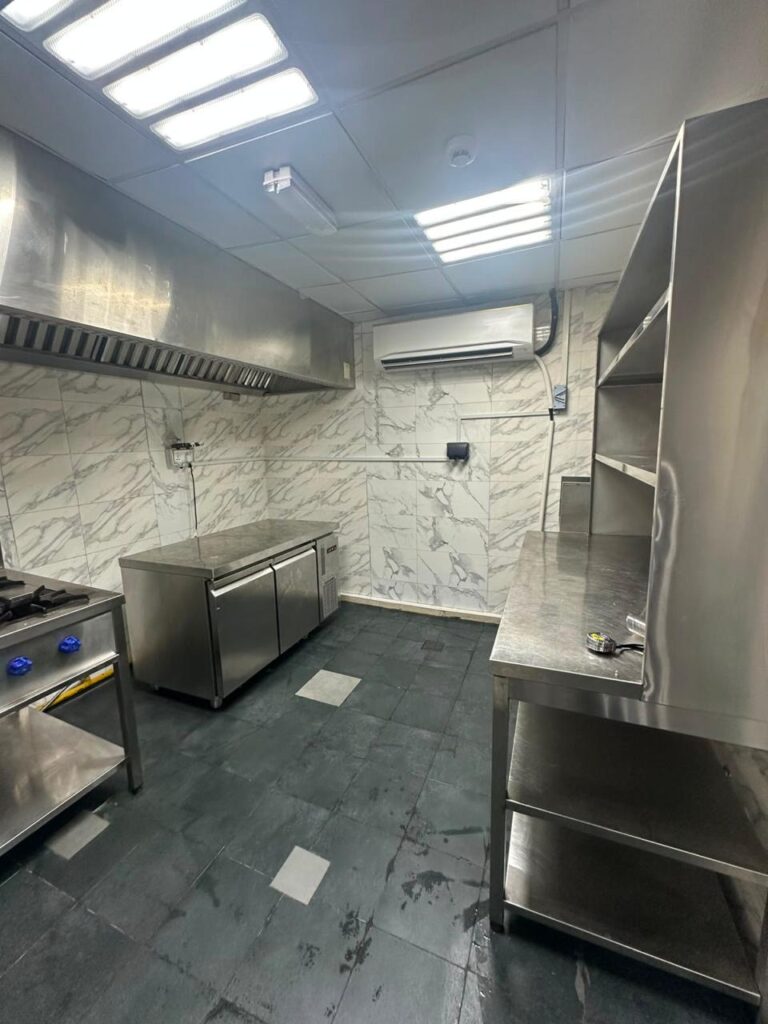
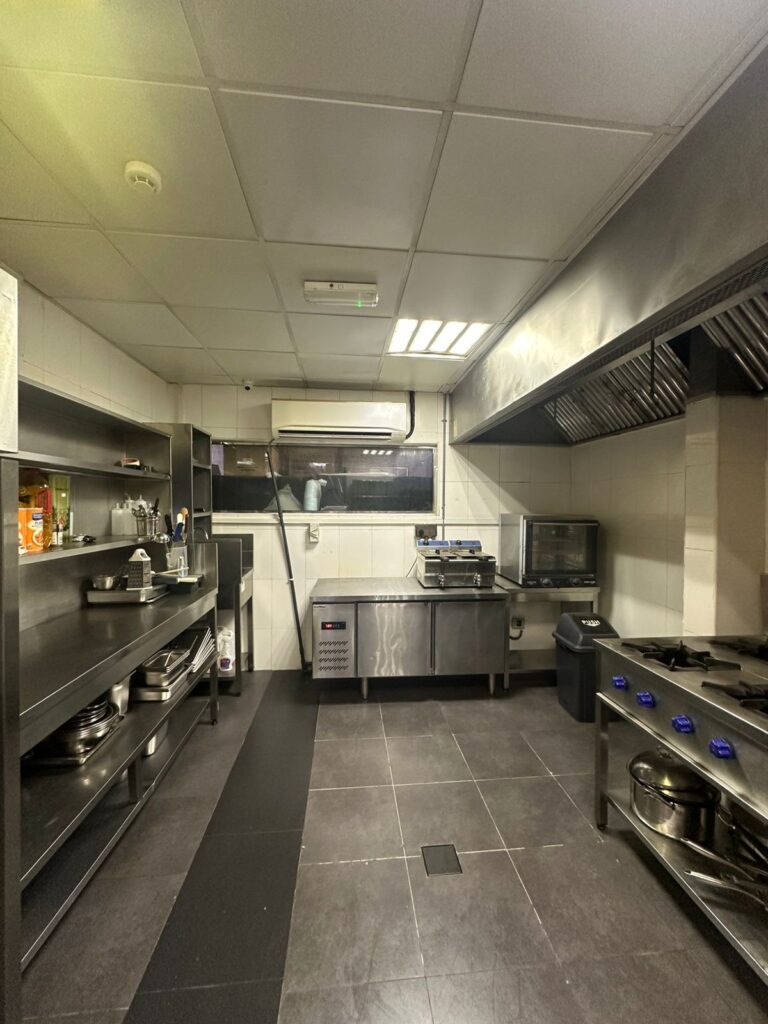
Importance of Ventilation in Commercial Kitchens

The Importance of Ventilation in Commercial Kitchens: A Complete Guide for Efficiency & Safety

Introduction: Air — The Invisible Force Behind Kitchen Efficiency

In every thriving commercial kitchen, there’s one system quietly controlling performance, comfort, and safety — ventilation. While chefs focus on recipes and speed, it’s the air around them that determines how efficiently they can work.

Understanding the Importance of Ventilation in Commercial Kitchens means recognizing that good air circulation isn’t just about removing smoke; it’s about protecting staff health, improving air quality, and reducing fire risks.

When ventilation is neglected, kitchens overheat, energy bills spike, and hygiene standards suffer. In Dubai, where climate conditions are already challenging, the demand for proper ventilation design is even higher.

Let’s uncover how this often-overlooked system defines the success and sustainability of your entire kitchen operation.

Understanding the Importance of Ventilation in Commercial Kitchens

Commercial kitchens are high-intensity environments — ovens, fryers, and grills all generate heat, steam, and grease-laden vapors. Without efficient ventilation, these airborne contaminants can accumulate, creating discomfort and health risks.

A good ventilation system balances three key functions:

  • Extraction: Removing heat, smoke, and odors from the kitchen.
  • Air Supply: Replacing exhausted air with clean, filtered air.
  • Air Pressure Balance: Maintaining neutral pressure to prevent odor leakage and maintain comfort.

Recognizing the Importance of Ventilation in Commercial Kitchens starts with understanding that it’s an ecosystem — one that connects energy use, staff well-being, hygiene, and compliance.

How Ventilation Shapes Kitchen Safety and Hygiene

Safety is the foundation of every commercial kitchen. Without proper exhaust systems, grease particles cling to surfaces and ducts, becoming a fire hazard. Moreover, inadequate airflow can lead to the buildup of carbon monoxide and airborne bacteria.

In Dubai’s humid climate, these issues multiply fast. Moisture trapped in air ducts promotes mold growth, affecting both food safety and air quality. Regular duct cleaning and filter replacement are essential to ensure safe operation.

When properly designed, ventilation systems capture grease at the source, reduce the spread of smoke, and maintain a sterile cooking atmosphere — all proof of the Importance of Ventilation in Commercial Kitchens from a safety and hygiene perspective.

A hot, poorly ventilated kitchen can drastically reduce employee efficiency. Prolonged exposure to high temperatures increases fatigue, lowers concentration, and impacts service quality.

Ventilation systems that maintain optimal temperatures (typically between 24°C and 27°C) help chefs and staff stay productive. Balanced airflow reduces humidity, prevents sweat-related contamination, and maintains consistent cooking results.

So, when considering staff well-being and kitchen output, the Importance of Ventilation in Commercial Kitchens becomes undeniable — it’s the key to retaining motivated, efficient employees.

Energy Efficiency and Sustainability Advantages

Modern kitchens are under pressure to operate sustainably without compromising performance. Ventilation systems play a huge role in this balance.

Technologies like demand-controlled ventilation (DCV) and heat recovery units reduce energy consumption by adjusting airflow based on kitchen activity. When integrated with smart sensors, these systems ensure that fans and exhaust hoods only run when needed — cutting energy use by up to 40%.

In this context, the Importance of Ventilation in Commercial Kitchens expands beyond comfort and safety — it’s now a central factor in achieving long-term energy efficiency and sustainability goals.

Dubai Municipality’s Food Code and Civil Defense regulations mandate proper ventilation systems in all commercial kitchens. Non-compliance can lead to fines, closure, or reputational damage.

These standards specify minimum exhaust rates, hood sizes, and air filtration requirements to prevent cross-contamination and maintain worker safety.

By prioritizing compliance, business owners show that they understand the Importance of Ventilation in Commercial Kitchens as a legal, ethical, and operational necessity.

Common Ventilation Challenges Faced by Modern Kitchens

Despite advanced designs, many commercial kitchens still experience issues such as:

  • Negative air pressure, causing doors to slam or odors to spread.
  • Clogged filters, leading to overheating and poor airflow.
  • Unbalanced systems, increasing HVAC energy load.

These challenges often arise from poor design or irregular maintenance. Scheduling periodic inspections, upgrading filters, and recalibrating fan speeds can restore balance and efficiency — reinforcing the Importance of Ventilation in Commercial Kitchens for consistent performance.

Building a Smarter, Sustainable Ventilation Strategy

The next generation of ventilation systems is data-driven. Smart exhausts equipped with IoT sensors can monitor temperature, grease accumulation, and air quality in real time.

Integration with building management systems (BMS) allows operators to control fans, adjust airflow, and schedule maintenance remotely — preventing downtime and optimizing power consumption.

Forward-thinking kitchen operators who invest in intelligent ventilation prove their commitment not only to operational excellence but also to the environment. This strategic approach perfectly embodies the evolving Importance of Ventilation in Commercial Kitchens in a modern, tech-driven era.

Final Thoughts: Designing the Future of Healthy Kitchens

Air is invisible — yet it impacts every visible aspect of kitchen performance. From safety and hygiene to energy efficiency and staff morale, the Importance of Ventilation in Commercial Kitchens cannot be overstated.

Businesses that view ventilation as a long-term investment, rather than a compliance formality, gain a competitive advantage. They create safer, more sustainable spaces where employees thrive and operations flow smoothly.

As the hospitality industry in Dubai continues to innovate, well-ventilated kitchens will stand at the heart of every successful culinary operation.

Frequently Asked Questions (FAQs)

1. Why is ventilation important in commercial kitchens?

Ventilation is vital in commercial kitchens because it removes smoke, heat, and airborne grease particles while ensuring clean air circulation. Understanding the Importance of Ventilation in Commercial Kitchens helps operators maintain hygiene, reduce fire hazards, and improve comfort for staff.

2. How does poor ventilation affect kitchen operations?

Poor ventilation leads to overheating, excess humidity, and unpleasant odors. It can cause equipment to work harder, increasing energy costs and reducing staff productivity. Over time, this neglect can lead to non-compliance with health and safety regulations.

3. What are the signs of poor ventilation in a commercial kitchen?

Common warning signs include excessive smoke, grease buildup on walls or ceilings, unbalanced air pressure, and persistent odors. These indicate the need to inspect ducts, filters, and exhaust hoods to restore airflow efficiency.

4. How can ventilation systems improve energy efficiency?

Modern ventilation systems use smart sensors and variable-speed fans to adjust airflow based on activity. This minimizes unnecessary energy consumption, proving the Importance of Ventilation in Commercial Kitchens for sustainability and cost control.

5. What are the ventilation requirements for commercial kitchens in Dubai?

Dubai Municipality mandates that commercial kitchens maintain proper exhaust systems, air filtration, and air pressure balance. These standards prevent contamination, reduce fire risk, and ensure compliance with environmental and safety codes.

6. How often should commercial kitchen ventilation systems be cleaned?

Ventilation ducts and filters should be cleaned at least once every three months — more frequently for high-volume kitchens. Regular cleaning not only ensures safety but reinforces the Importance of Ventilation in Commercial Kitchens for long-term efficiency and hygiene.

7. Can smart technology help manage ventilation systems?

Yes, smart ventilation systems equipped with IoT sensors can monitor temperature, humidity, and grease buildup in real time. They alert operators when maintenance is due, optimizing performance and preventing costly downtime.

Scan the code
Open Chat

error: Content is protected !!