A busy order screen does not tell you whether a food brand is profitable. The useful number is what remains after the costs of making and selling each order, followed by the fixed costs of keeping the business running.
There is no reliable profit figure that applies to every cloud kitchen in Dubai. Cuisine, selling prices, platform terms, staffing and demand all change the result. Use your own quotations and trading data rather than treating an online monthly-profit range as an expected return.
Calculate what each order contributes
Start with sales revenue after discounts, excluding tax collected on behalf of the authorities where applicable. Deduct ingredients, packaging, commissions, payment charges and any delivery or promotional costs that vary with the order. The remaining contribution helps cover rent, salaries and other fixed costs. It is not net profit.
Illustrative planning example, not a Kitchen Works price or tenant result: suppose one order brings in AED 40 of net sales revenue. Ingredients and packaging cost AED 14, and order-related selling costs are AED 10. The contribution is AED 16 per order. If the fixed costs included in this simplified model are AED 24,000 per month, dividing AED 24,000 by AED 16 gives 1,500 orders per month to cover those costs.
This example excludes any cost you have not put into the model, including finance costs, tax, startup-cost recovery or an owner’s salary if omitted. Add them where relevant, and check the cash-flow timing separately. Recalculate with lower sales, larger discounts and higher ingredient costs to see where the plan becomes fragile.
Build the complete operating budget
Collect actual figures for the selected kitchen, staff, ingredients, packaging, licences and renewals, insurance where applicable, software and marketing. Separate one-off setup spending from recurring expenses. A deposit is a cash requirement even when it is recoverable; recovering an initial investment is different from covering a month’s operating costs.
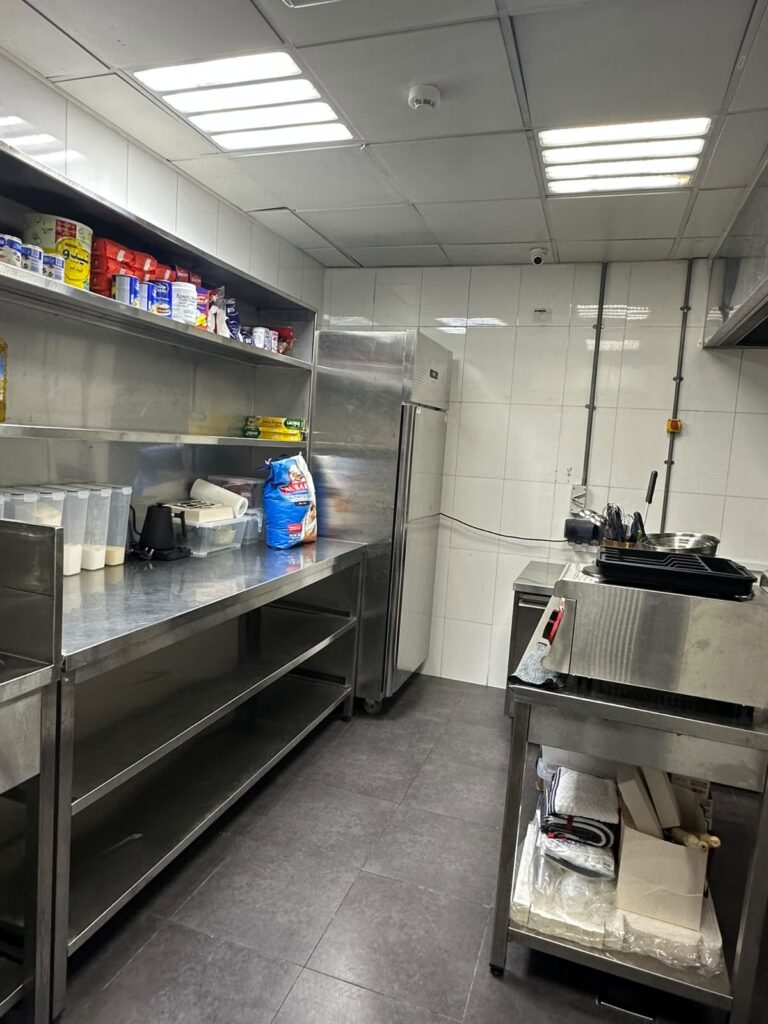
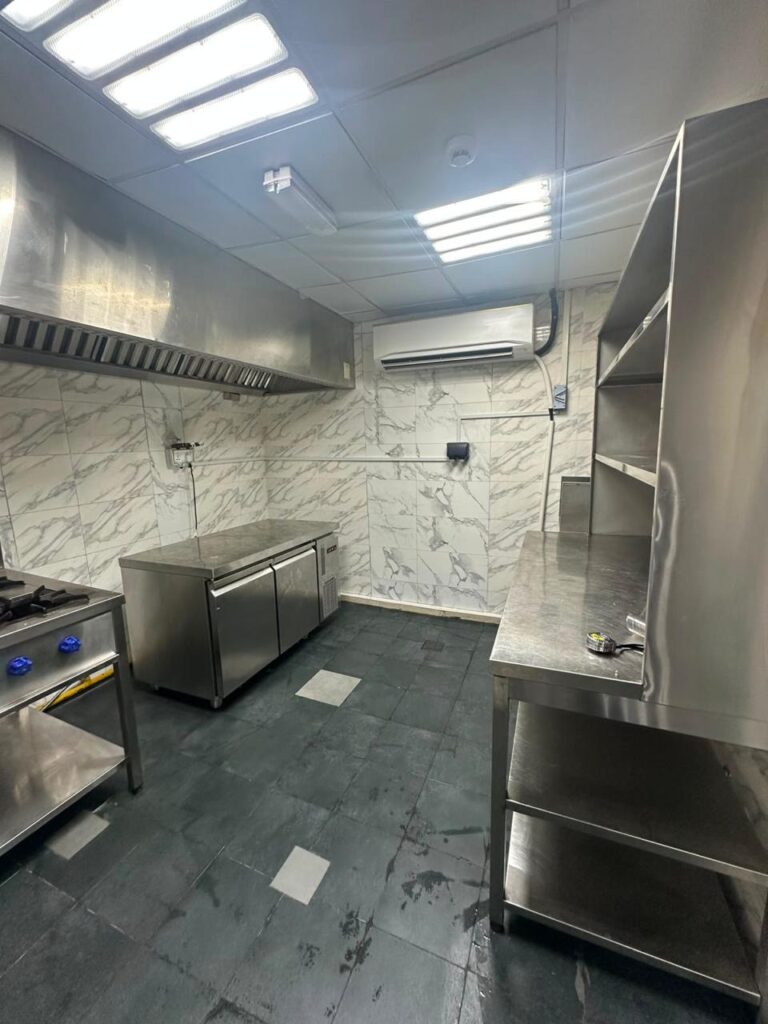
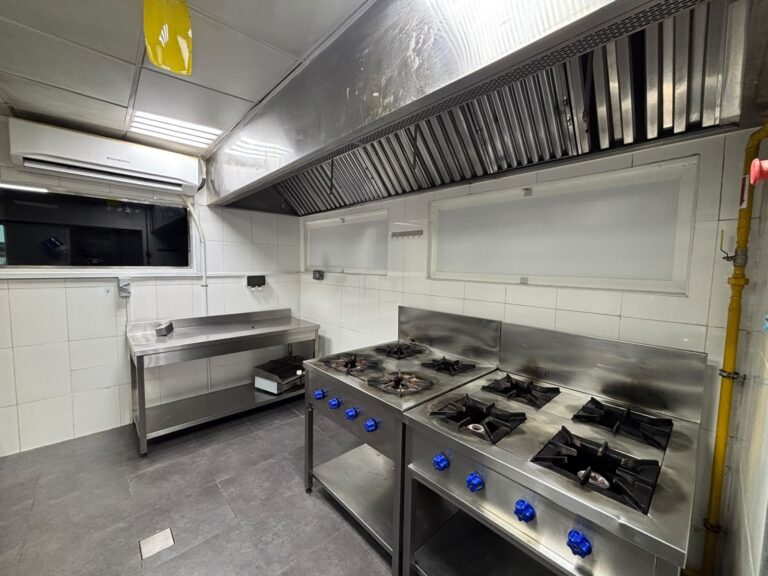
At Kitchen Works, private units are rented under a 12-month agreement. Standard equipment and utilities are included in the stated rental offer, so confirm the written quotation before adding those same costs again. Additional equipment and services need their own scope and price. See the Kitchen Works FAQs and ask for a current unit quotation.
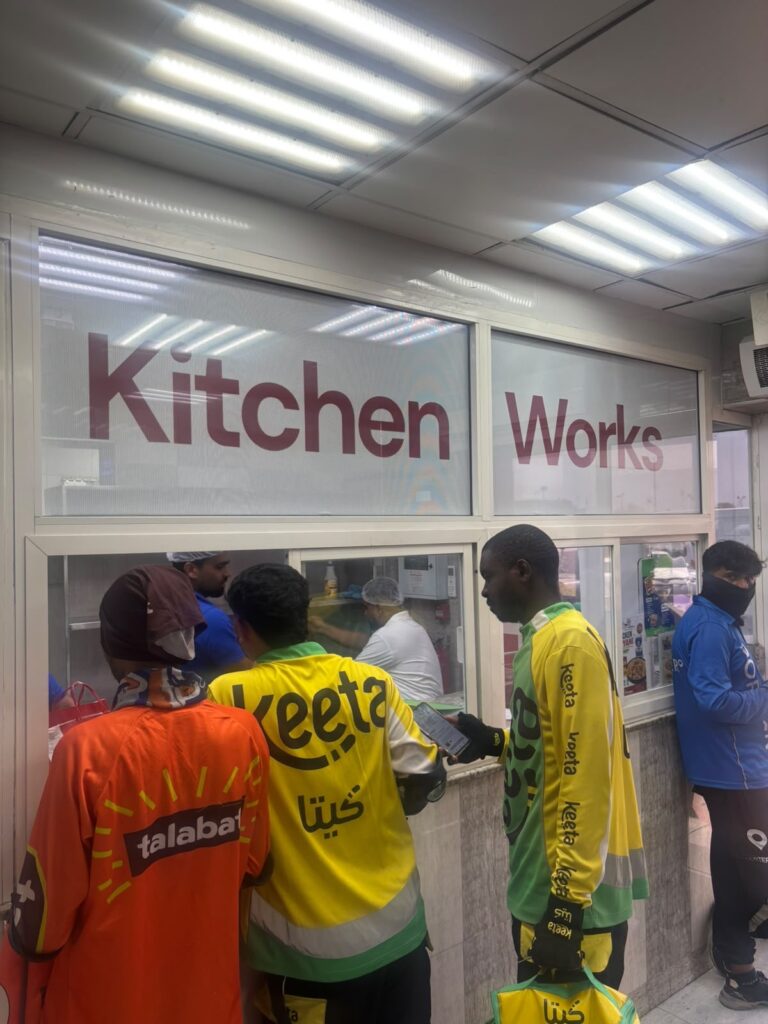
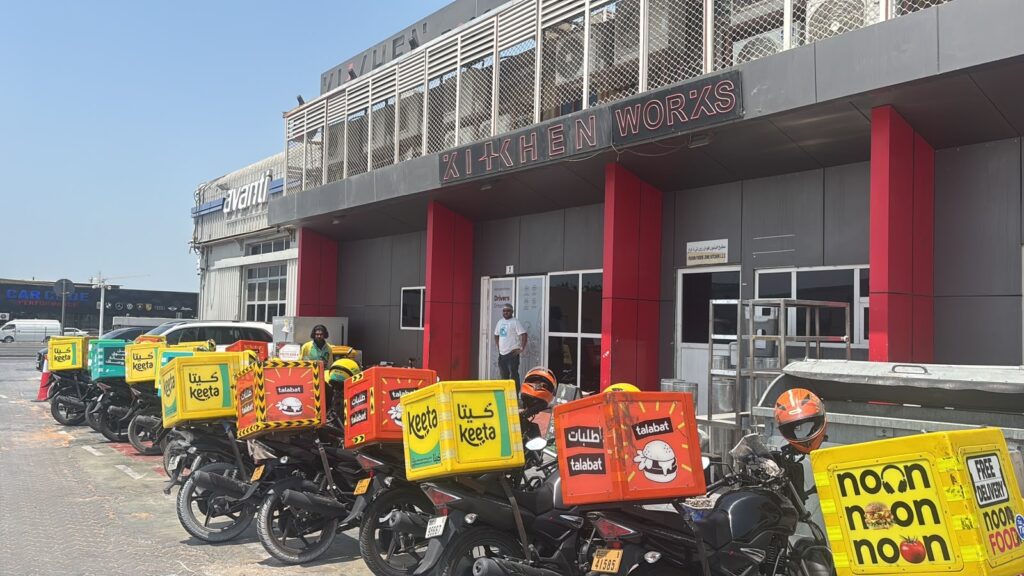
Platform commissions and promotions depend on your agreement. Do not assume a standard percentage or that higher volume automatically earns a lower rate. Compare the contribution from each channel using the actual settlement statements.
Improve the menu before chasing more volume
Cost recipes by portion and include waste, packaging and preparation time. A popular dish can still leave too little contribution if it needs expensive ingredients or repeated discounts. Compare dishes using both contribution and the production capacity they consume during busy periods.
Test how the food arrives, how reliably staff can prepare it, and whether add-ons create useful contribution after their costs. Adding another brand may increase complexity, equipment needs and staffing pressure. Check the commercial case and licensing/platform requirements before assuming that more brands mean more profit.
Choose a kitchen that fits the business plan
Kitchen Works provides the space, facility support and onboarding guidance for your operation in Al Quoz. It does not guarantee profit or provide complete business-licensing, menu-development or marketing management as part of the rental. Tenants arrange their own licence and business operation; the licensing responsibilities guide sets out the distinction.
Before committing, compare your expected contribution with the quoted fixed costs and a realistic ramp-up period. If the numbers depend on immediate full-volume trading, revise the plan. Explore cloud kitchen rental in Dubai and check current availability and arrange a viewing with your menu, equipment and staffing requirements.