Table of Contents
introduction: Top 10 Powerful Food Trends in the Middle East 2025
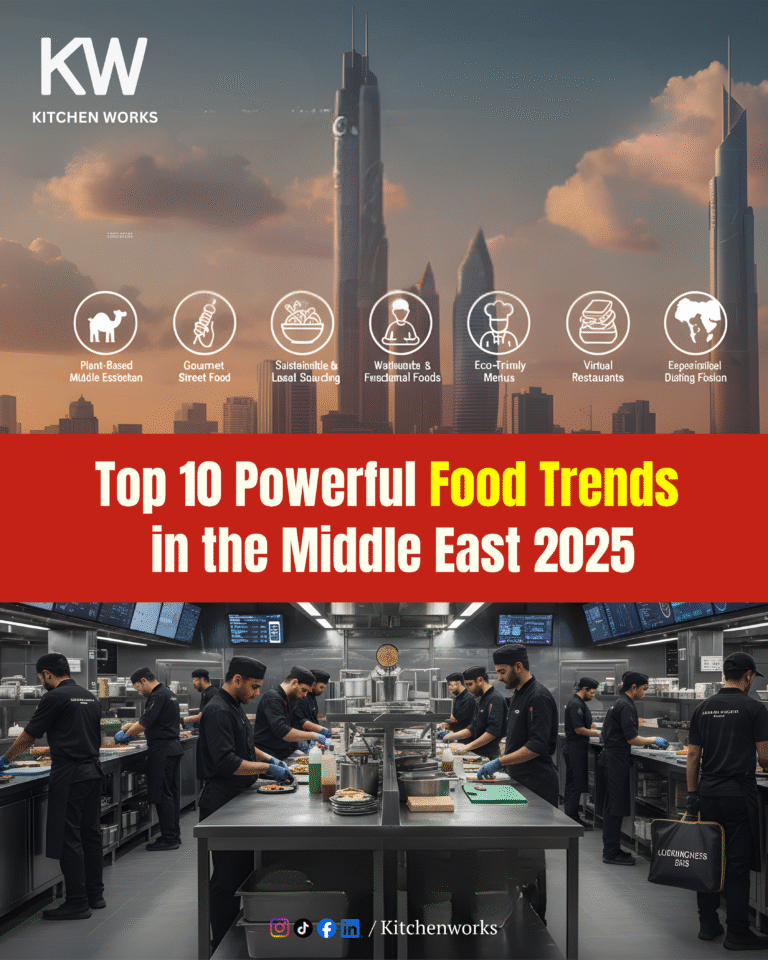
The culinary landscape of the Middle East is undergoing a remarkable transformation. Traditional flavors and local heritage remain cherished, but a wave of innovation, health consciousness, and immersive experiences is shaping how people eat. In this guide, Kitchen Works presents the Top 10 Powerful Food Trends in the Middle East, highlighting what’s trending in 2025 and how businesses can capitalize on these shifts. From plant-based diets to eco-conscious practices, understanding these trends is essential for restaurateurs, chefs, and food entrepreneurs.
Saudi Arabia: Health and Trust Take the Lead
In Saudi Arabia, health is no longer optional—it’s a priority. Consumers are increasingly seeking food with higher protein content, lower sugar, and added functional benefits such as probiotics, vitamins, and minerals. Labels like “organic,” “natural,” and “locally sourced” signal quality, ensuring that trust remains central to purchasing decisions.
Tradition continues to hold weight, with Halal certification and trusted local ingredients reinforcing consumer confidence. Convenience also matters; busy lifestyles fuel demand for ready-to-eat meals, fortified dairy products, and long-life baked goods.
Saudi Arabia’s food culture is increasingly influenced by health and trust. Consumers prioritize nutritional content, seeking protein-rich, low-sugar, and functional foods. Halal certification, local sourcing, and trusted brands are vital factors driving purchasing decisions.
Among the Top 10 Powerful Food Trends in the Middle East, health-conscious meals dominate, including fortified dairy, probiotic products, and ready-to-eat options for busy lifestyles. Restaurants and food brands that emphasize freshness, safety, and nutritional transparency align perfectly with Saudi consumer expectations.
UAE: Fusion, Wellness, and Experiential Dining
The UAE’s food scene is characterized by diversity and global influence. Fusion cuisine—blending Asian, Middle Eastern, and Western flavors—dominates menus, offering both familiarity and novelty. Wellness-driven options, such as vegan shawarma and dairy-free camel milk, are increasingly popular, reflecting a commitment to health-conscious dining.
Experiential dining is another hallmark of the UAE, placing it firmly among the Top 10 Powerful Food Trends in the Middle East. Multisensory experiences, immersive restaurant designs, and interactive presentations create memorable meals that go beyond taste. Social media trends further amplify these experiences, shaping what diners expect and crave.
Social media trends further shape food preferences. Viral dishes like crookies, bunafa, and flat croissants illustrate the power of digital influence, creating immediate demand for novel food concepts. For restaurateurs, staying ahead in the UAE requires innovation, quality, and awareness of global culinary trends.
Kuwait: Modernizing Heritage and Convenience
Kuwait successfully blends culinary heritage with modern convenience. Traditional dishes such as machboos and harees remain cultural staples, but lighter, health-oriented adaptations are gaining traction. International cuisines, particularly Asian and Mediterranean, are also integrated into local menus with a Kuwaiti twist, satisfying a growing appetite for diverse flavors.
Convenience and accessibility are part of the Top 10 Powerful Food Trends in the Middle East. Cloud kitchens, ready-to-eat meals, and efficient delivery services allow busy consumers to enjoy quality food without compromise. Sustainability initiatives, including eco-friendly packaging, are also gaining traction among environmentally conscious audiences.
Desserts retain a central position in Kuwaiti culinary culture. Traditional flavors like saffron, rosewater, and dates inspire both classic and innovative confections, keeping heritage alive while embracing contemporary tastes.
Bahrain: Creativity, Social Dining, and Craft Foods
Bahrain’s food scene thrives on creativity and communal experiences. Restaurants increasingly offer interactive dining concepts, storytelling menus, and shared platters, emphasizing social engagement in meals.
Non-alcoholic beverages, craft teas, and artisanal juices are among the Top 10 Powerful Food Trends in the Middle East in Bahrain. Consumers are seeking unique experiences that combine creativity with quality, ensuring that dining is as much about interaction as it is about taste.
Modern adaptations of traditional Bahraini dishes, coupled with artisan products like small-batch sauces and freshly baked breads, appeal to younger audiences seeking quality, creativity, and authenticity.
Plant-Based Foods Becoming Mainstream
Plant-based eating is no longer niche. Vegan, vegetarian, and flexitarian options are expanding rapidly, becoming an essential part of the Top 10 Powerful Food Trends in the Middle East.
Restaurants and food brands are innovating with plant-based shawarma, meat alternatives, and non-dairy beverages such as camel milk, almond milk, and oat milk. These offerings address health, environmental, and ethical concerns, appealing to a wide audience in the Middle East.
Sustainability and Eco-Friendly Practices
Sustainability is a key driver among the Top 10 Powerful Food Trends in the Middle East. Consumers increasingly favor brands and restaurants that minimize environmental impact, from eco-friendly packaging to local sourcing and food waste reduction.
Vertical farms, urban gardening, and hydroponics are emerging across the region. Restaurants that adopt these methods signal responsibility and forward-thinking values, earning loyalty from environmentally conscious consumers.
The Rise of Digital Influence on Food Choices
Social media platforms now heavily influence food trends. Viral dishes, creative presentations, and innovative recipes often reach mass audiences in days, if not hours.
Among the Top 10 Powerful Food Trends in the Middle East, digital influence stands out as a critical factor shaping menus and culinary experiences. From Instagram-worthy desserts to TikTok-famous beverages, restaurants must stay agile and responsive to online trends to remain competitive.
Innovative Beverages and Non-Alcoholic Trends
The Middle East has witnessed a surge in innovative non-alcoholic beverages, including artisanal teas, functional juices, and mocktails infused with herbs, vitamins, and adaptogens.
These beverages are a key element of the Top 10 Powerful Food Trends in the Middle East, appealing to health-conscious and experience-driven consumers alike. Beverage innovation provides restaurants with unique offerings that enhance both customer satisfaction and social media engagement.
The Future of Food Delivery and Cloud Kitchens
Cloud kitchens are transforming the food industry in the Middle East. They provide flexibility, cost efficiency, and the ability to scale delivery operations without the overhead of traditional dining spaces.
The growth of cloud kitchens is part of the Top 10 Powerful Food Trends in the Middle East, especially in urban areas where convenience and speed are critical. Businesses that adopt cloud kitchens and optimize menus for delivery are positioned for long-term success.
How Kitchen Works Helps You Adapt to Trends
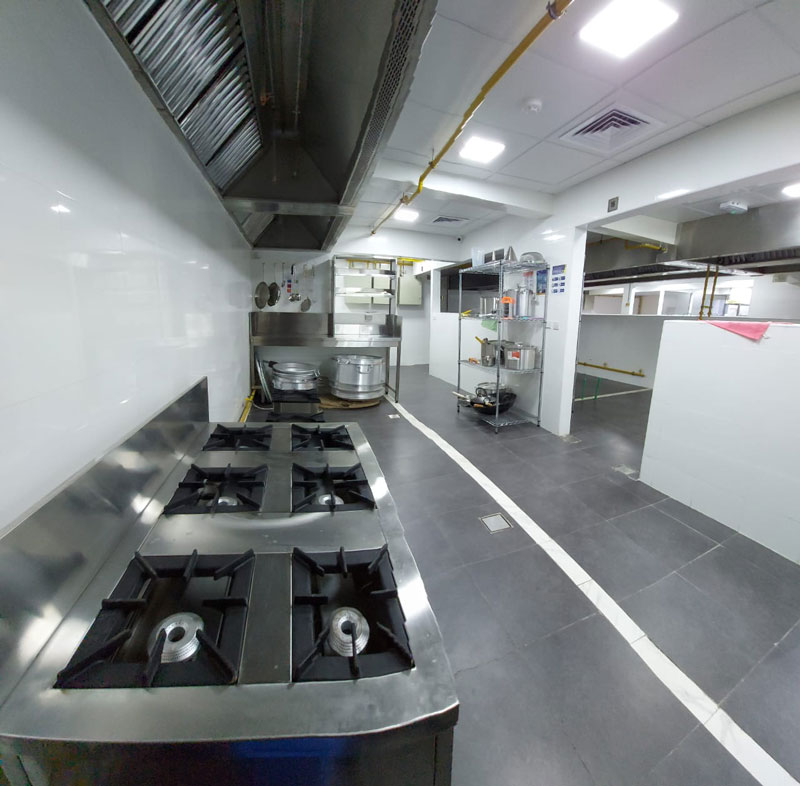
Kitchen Works empowers F&B businesses to leverage the Top 10 Powerful Food Trends in the Middle East. Our fully equipped kitchen spaces cater to chefs, caterers, and delivery brands, supporting growth and operational efficiency.
Benefits include:
- State-of-the-art kitchen facilities for various cuisines.
- Cloud kitchen infrastructure for delivery-first businesses.
- Strategic locations across major cities in the Middle East.
- Expert guidance on menu development and trend adaptation.
With Kitchen Works, food entrepreneurs can stay ahead in a competitive market by embracing trends in health, sustainability, digital engagement, and experiential dining.
Final Thoughts
The Middle Eastern food landscape in 2025 is dynamic, blending heritage with innovation. From Saudi Arabia’s health-driven market to the UAE’s fusion and experiential dining, Kuwait’s modernization of classics, and Bahrain’s creative, social dining culture, these regions reflect the Top 10 Powerful Food Trends in the Middle East.
Plant-based menus, eco-conscious practices, digital influence, and cloud kitchen growth are shaping consumer behavior and creating opportunities for brands ready to innovate. Kitchen Works provides the tools and expertise to capitalize on these trends, ensuring businesses thrive while meeting evolving consumer expectations.
FAQ
Q1: What are the Top 10 Powerful Food Trends in the Middle East 2025?
A1: Health-focused menus, fusion cuisines, plant-based foods, experiential dining, eco-conscious practices, digital influence, innovative beverages, social dining, cloud kitchens, and modernized traditional dishes.
Q2: How can food businesses leverage these trends?
A2: By innovating menus, embracing sustainability, offering plant-based options, leveraging social media, and utilizing cloud kitchen models.
Q3: Which countries are leading these trends?
A3: Saudi Arabia, UAE, Kuwait, and Bahrain are key drivers of these evolving food trends.
Q4: How does Kitchen Works support F&B businesses?
A4: By providing fully equipped kitchens, cloud kitchen infrastructure, prime locations, and trend-aligned guidance.
Q5: Are plant-based foods popular in the Middle East?
A5: Yes, plant-based diets are rapidly gaining traction, becoming part of mainstream menus and consumer expectations.