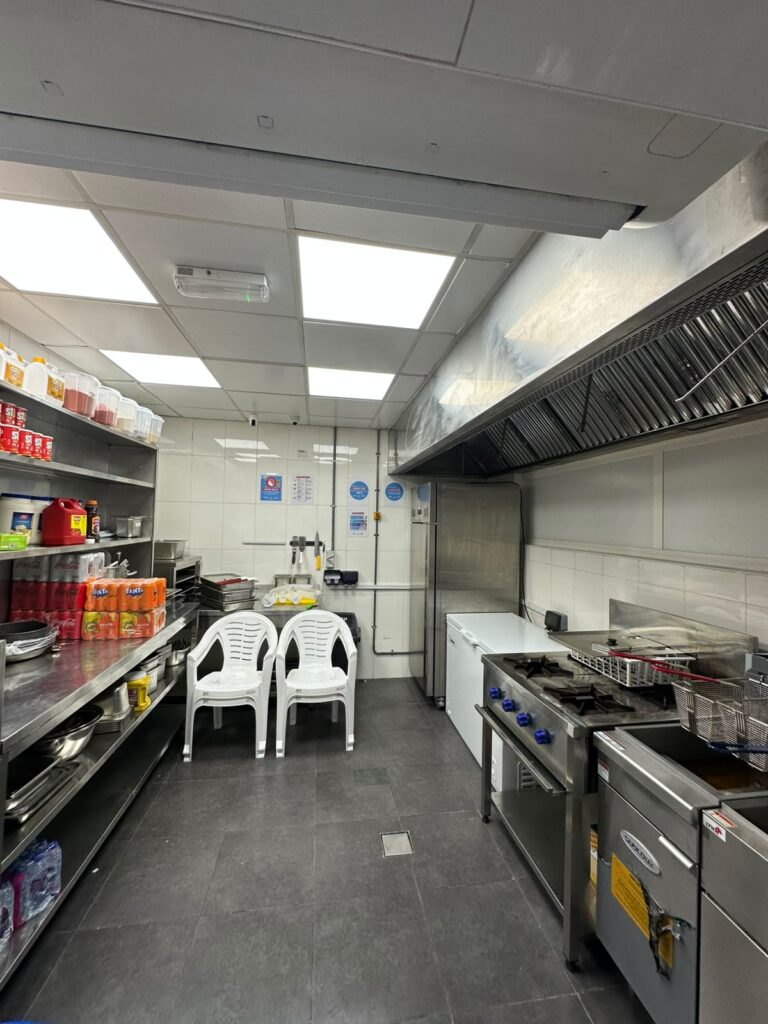
Funding your own food operation is different from investing in a kitchen property, a franchise or someone else’s managed brand. Establish what the proposal actually involves and who controls the revenue, costs and operating decisions.
A kitchen-rental listing does not by itself offer an investment product or establish a return.
Separate the proposal from the premises
Identify the operator, ownership of the brand, contractual obligations and the work the founder must perform. If a proposal involves third parties, obtain appropriate professional advice on its terms rather than relying on a marketing description.
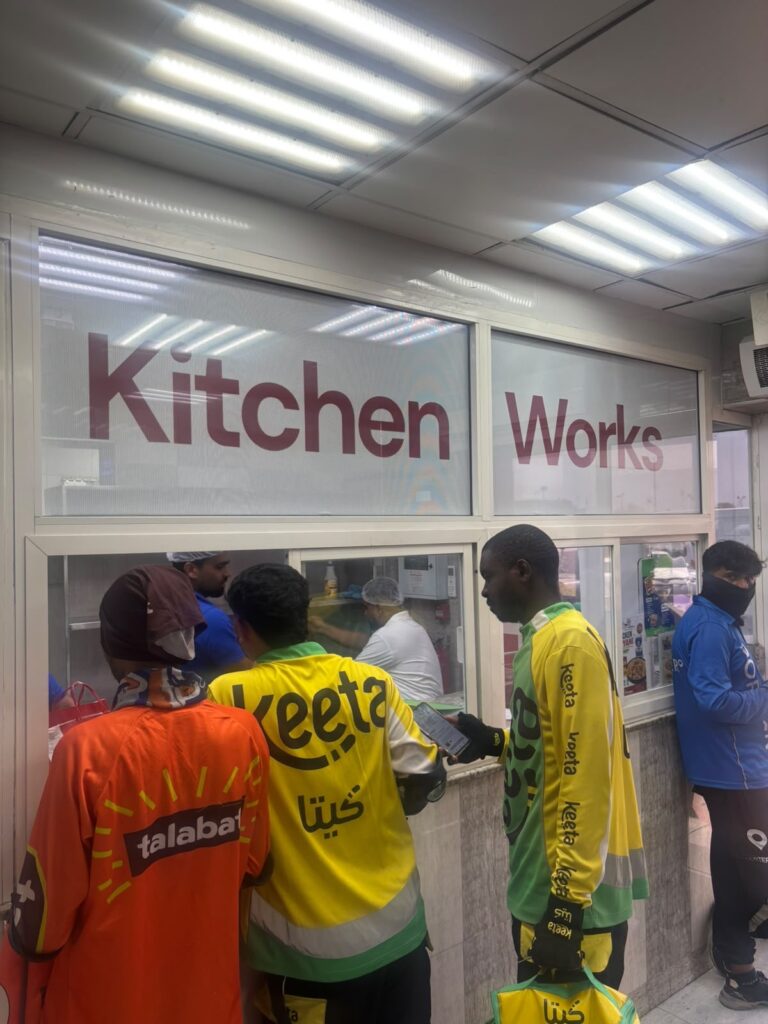
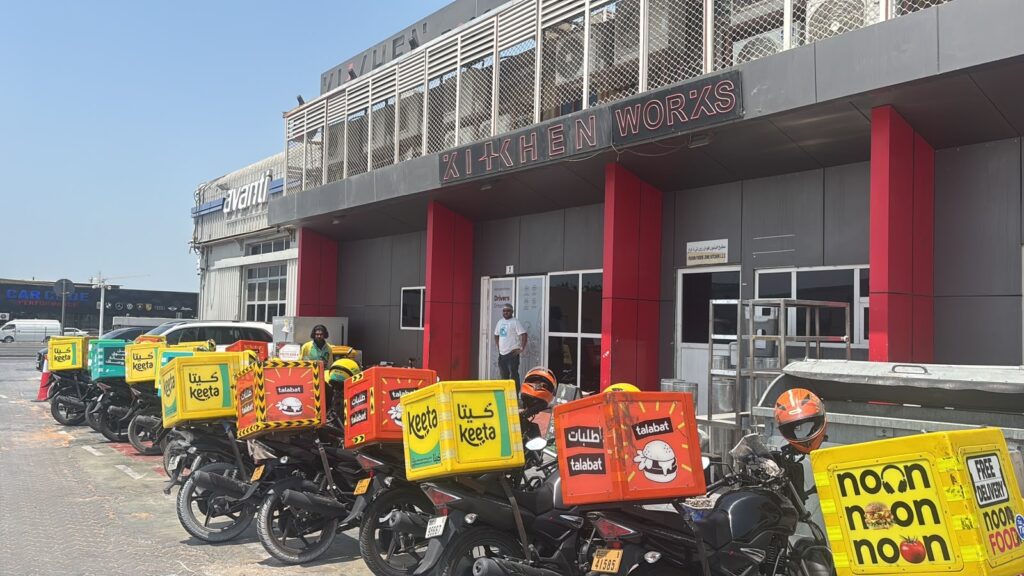
Kitchen Works offers premises rental and facility support in Al Quoz 4. It does not advertise guaranteed investment returns, a franchise programme or a managed portfolio of food brands.
Build the operating case from evidence
Use a defined menu, target customers and realistic production capacity. Validate costs through quotations and supplier information. Distinguish projected demand from completed orders and repeat purchases.
Calculate contribution after ingredients, packaging, channel charges and funded promotions, then compare it with continuing commitments. Sales growth alone does not establish distributable profit.
Test the downside and cash requirements
Model lower sales, delayed opening and equipment disruption. Keep setup spending separate from reserves for payroll, purchasing and other commitments. Include the timing of receipts and payments.
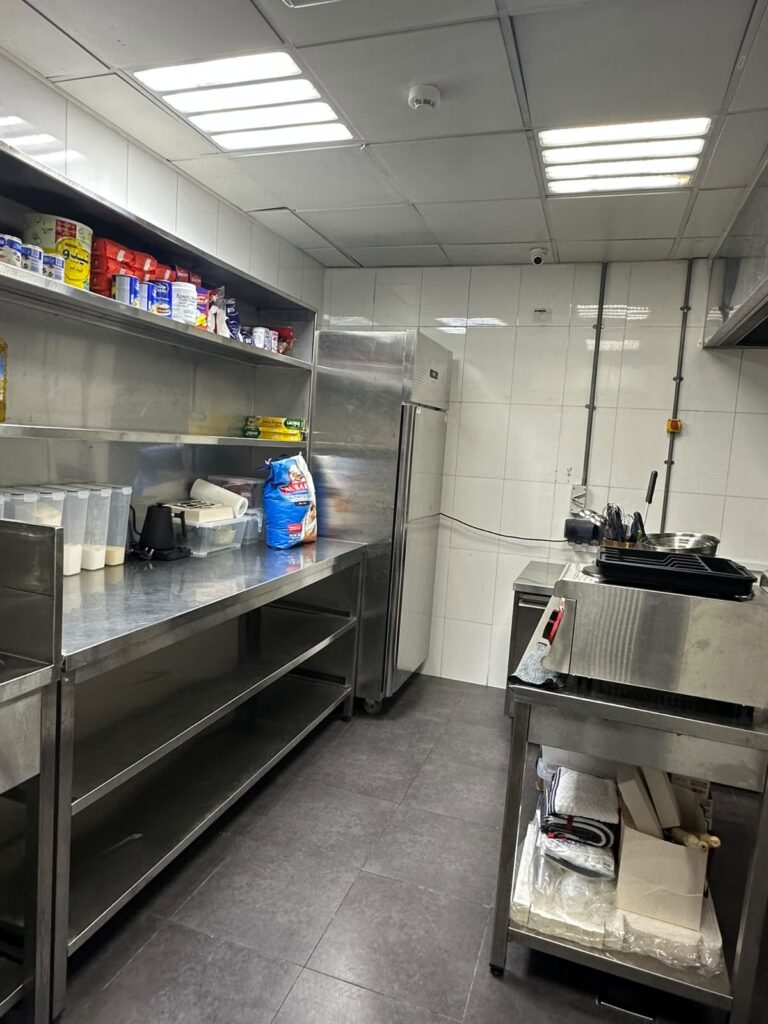
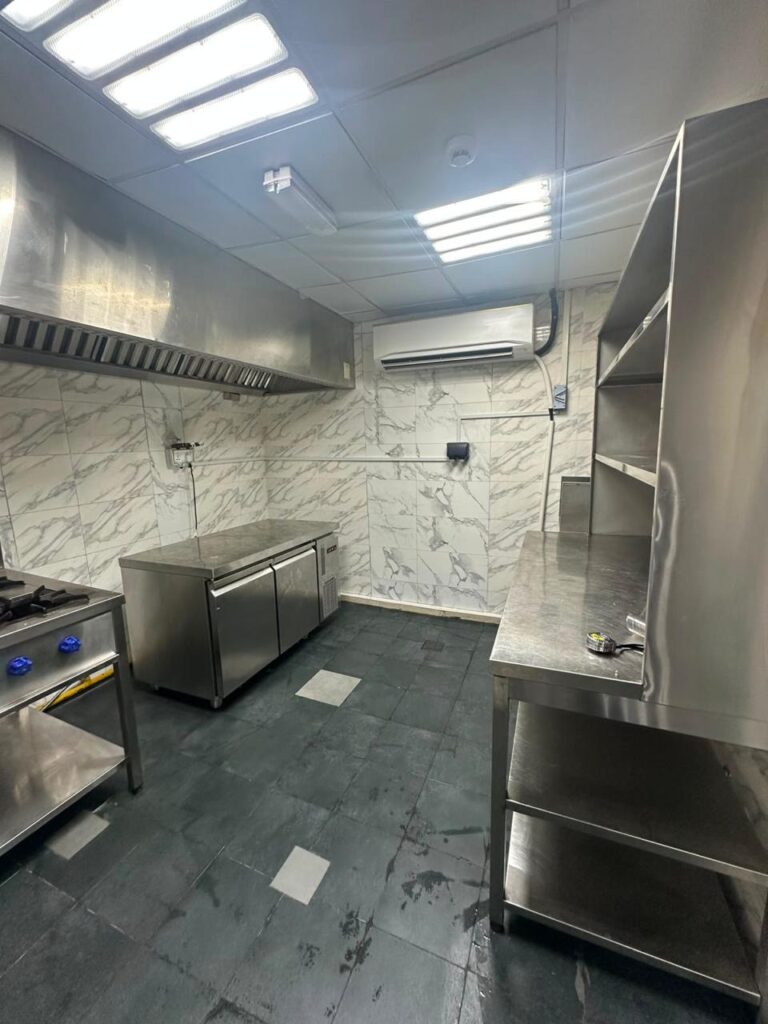
Review rent, deposit, term, termination conditions and responsibilities in the agreement. An annual commitment should not be presented as a risk-free short trial. Kitchen Works rents private enclosed units in Al Quoz 4, with shared facility amenities and 24/7 tenant access. Confirm the selected equipment inventory, included services and current 12-month agreement through the current rental FAQs and a written quote.
For the related operating checks, read the order economics guide.
Match the commitment to the founder’s role
Kitchen Works encourages startup founders to consider the time and capital they can commit over the first six months. That is a readiness question, not a payback deadline or earnings forecast.
Read the licensing responsibilities guide and arrange a viewing with your operating plan. The decision should rest on the actual business, contract and capacity, rather than a universal profit or return percentage.