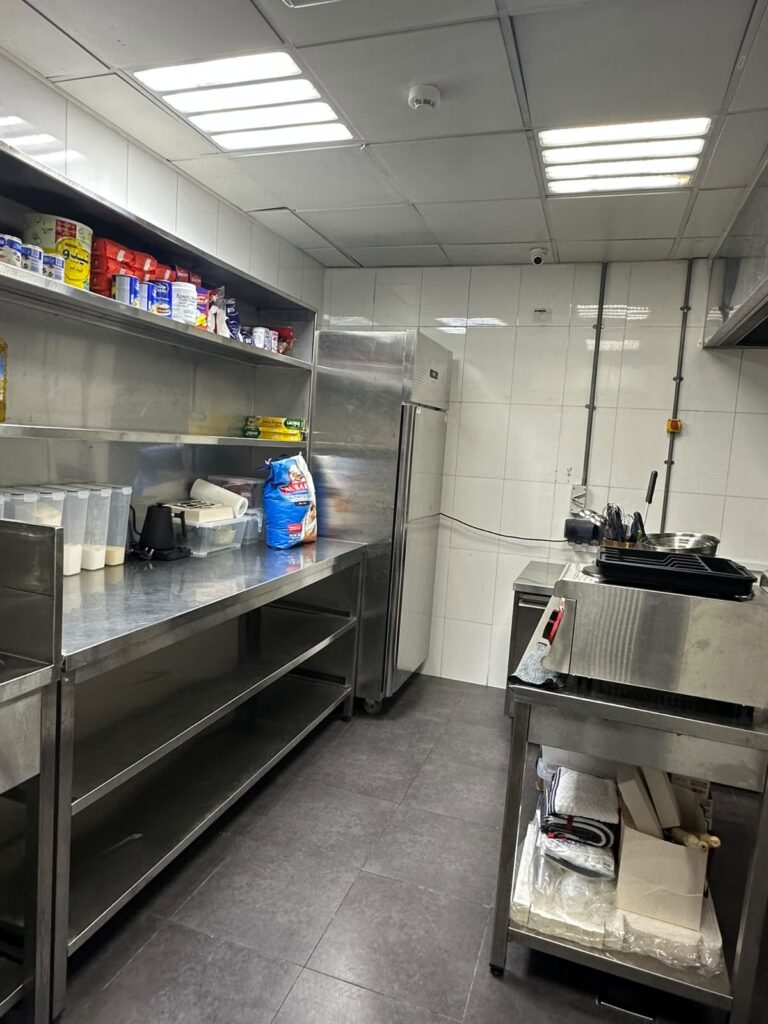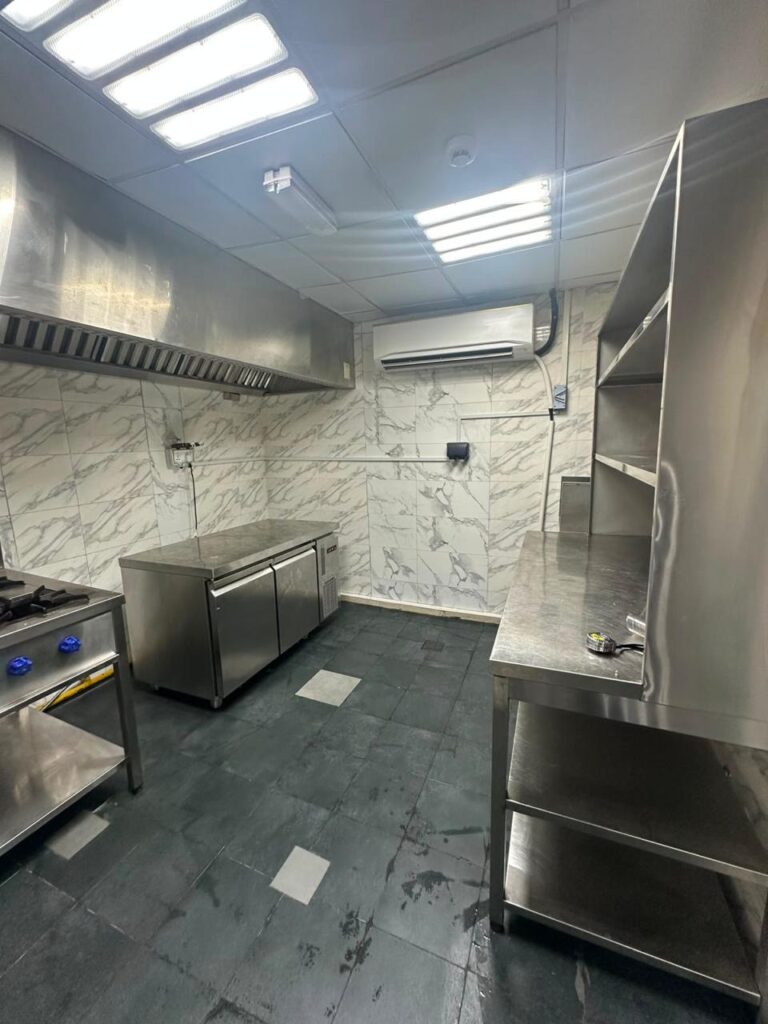
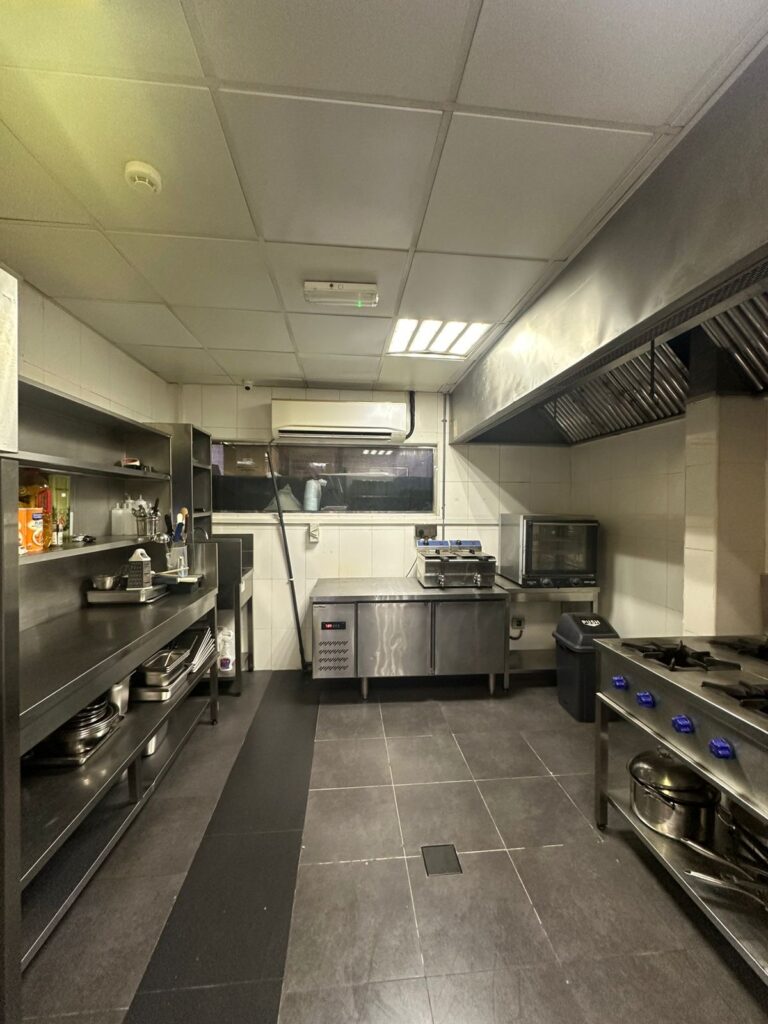
The right appliance starts with the food you need to produce and the unit that will house it. A preference for gas or electricity is not enough to establish that equipment can be connected safely or used at the required volume.
Before purchasing specialist equipment for a Kitchen Works unit, share its specifications and intended use with the facility team. Confirm the actual connections, power capacity, extraction and installation requirements.
Compare appliances against a production task
Use the same menu and output requirement when comparing options. Consider preheating, recovery between batches, usable capacity, controls, cleaning and staff familiarity. A cooking demonstration can be more useful than a general claim that one fuel is always faster.
Gas ranges, electric ovens and induction appliances perform different tasks and have different specifications. Do not treat every electric appliance as low-heat or every gas appliance as suitable for high-volume production. Charcoal is a separate fuel and needs its own assessment.
Verify connections and extraction together
Provide the make, model, electrical rating or gas specification, dimensions and manufacturer’s installation requirements. Have the facility’s competent technical team assess the proposed appliance against the unit. Avoid informal adapters, improvised connections or purchases based on floor space alone.
Electric cooking can still produce substantial heat, steam, grease or smoke. A cold unit is not automatically suitable for any electric appliance. The ventilation guide explains why cooking process and extraction must be considered together.
Compare actual lifecycle costs
Check the selected unit’s included equipment and utilities, then identify equipment you must supply and any agreed installation or maintenance charges. Where fuel consumption affects your costs, compare model-specific performance, usage hours and applicable tariffs.
Neither lower purchase cost nor a general energy-efficiency claim establishes the cheaper option for your operation. Availability of servicing, spare parts and a workable response to downtime also matters.
Plan installation and ongoing care
Gas and electrical systems require appropriate installation, protection, inspection and maintenance. Follow the manufacturer’s instructions and the applicable facility and authority requirements. Do not assume an electric appliance avoids fire-safety or approval checks.
Assign routine cleaning and fault reporting clearly. Stop using faulty equipment and contact the responsible team; this guide does not provide instructions for working on gas or electrical connections.
Allow for a menu change
Kitchen Works has supported a tenant moving from a cold unit to an available hot unit after its menu expanded into cooked meals. Such a move depends on technical fit and suitable space becoming available.
Bring your current and likely future menu when you arrange a viewing. Confirm the inventory and 12-month rental agreement through the current rental FAQs, and discuss proposed changes before adding appliances.