A food business idea becomes more useful when you can describe how it will be made, packed and delivered. Popularity alone does not establish demand for your version, and a busy delivery category does not guarantee a profitable launch.
The following concepts are options to investigate, not a ranking of the best-performing businesses. Compare them against your skills, customer research and a written kitchen quotation.
Meal preparation and subscription menus
Batch production can make some work predictable, but subscriptions add order cutoffs, diet variations, labelling and scheduled deliveries. Estimate preparation, cooling or holding requirements, storage and packing for the busiest production day.
Test portion costs and the treatment of pauses, refunds and delivery failures. Nutritional or health claims need appropriate support. The meal-prep operations guide explains the production checks in more detail.
Burgers, fried food and other hot menus
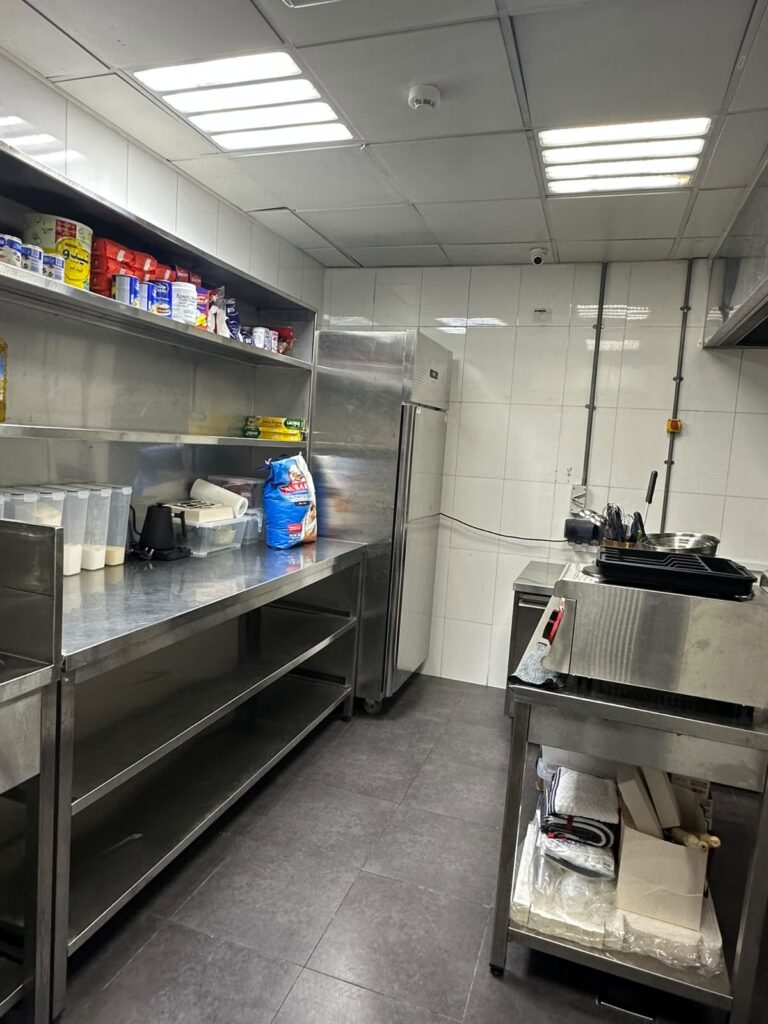
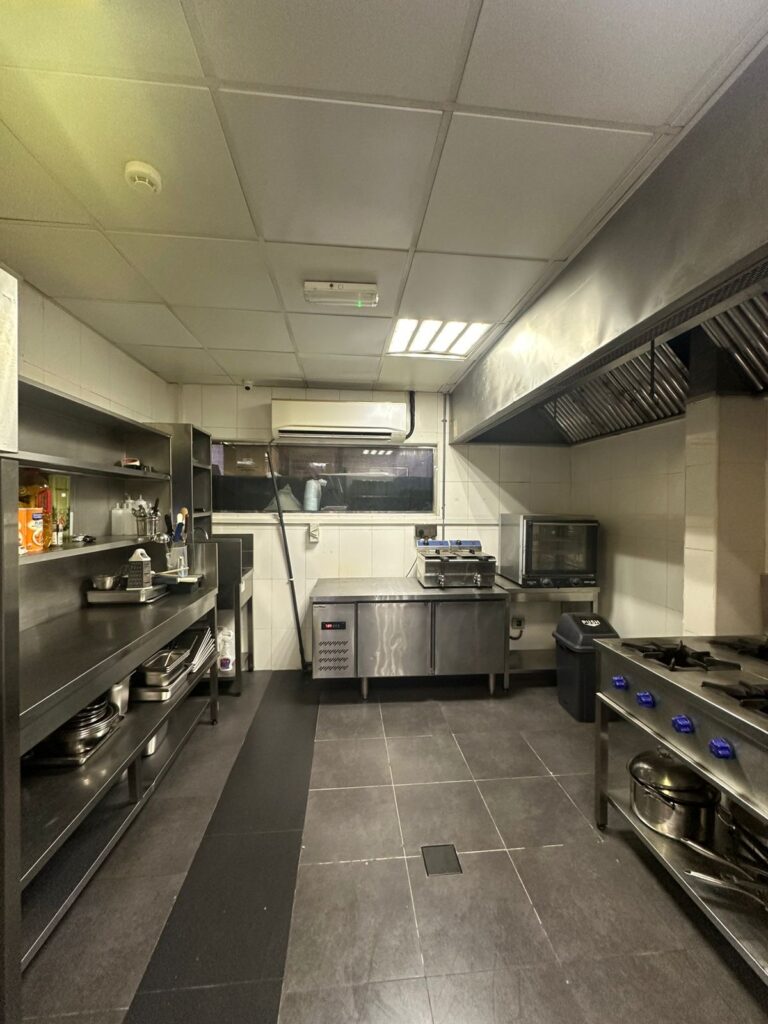
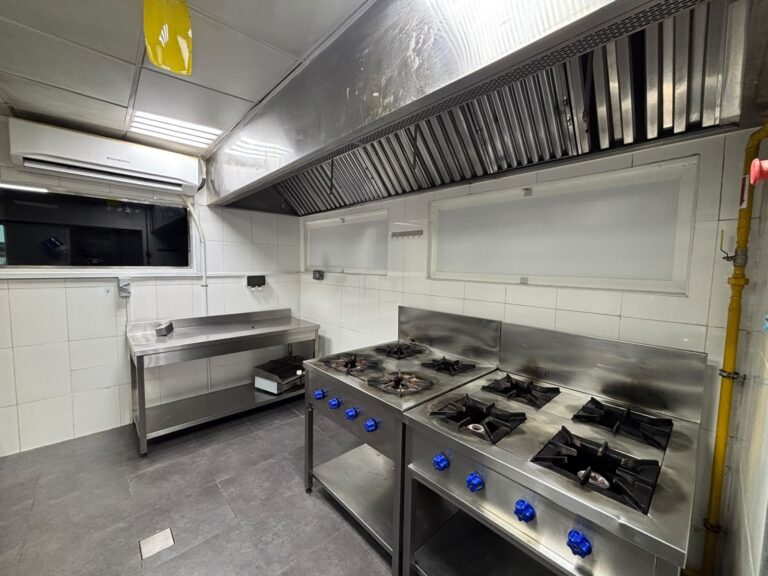
Check cooking capacity, extraction, recovery between batches and packing space. A fryer or grill may become the constraint when several orders arrive together. Equipment suitability must be confirmed for the actual unit.
Test the food after a realistic journey, including the effect of steam and packaging on texture. Price the complete order with ingredients, packaging, channel charges and promotions; high order volume does not automatically leave a healthy contribution.
Desserts and bakery concepts
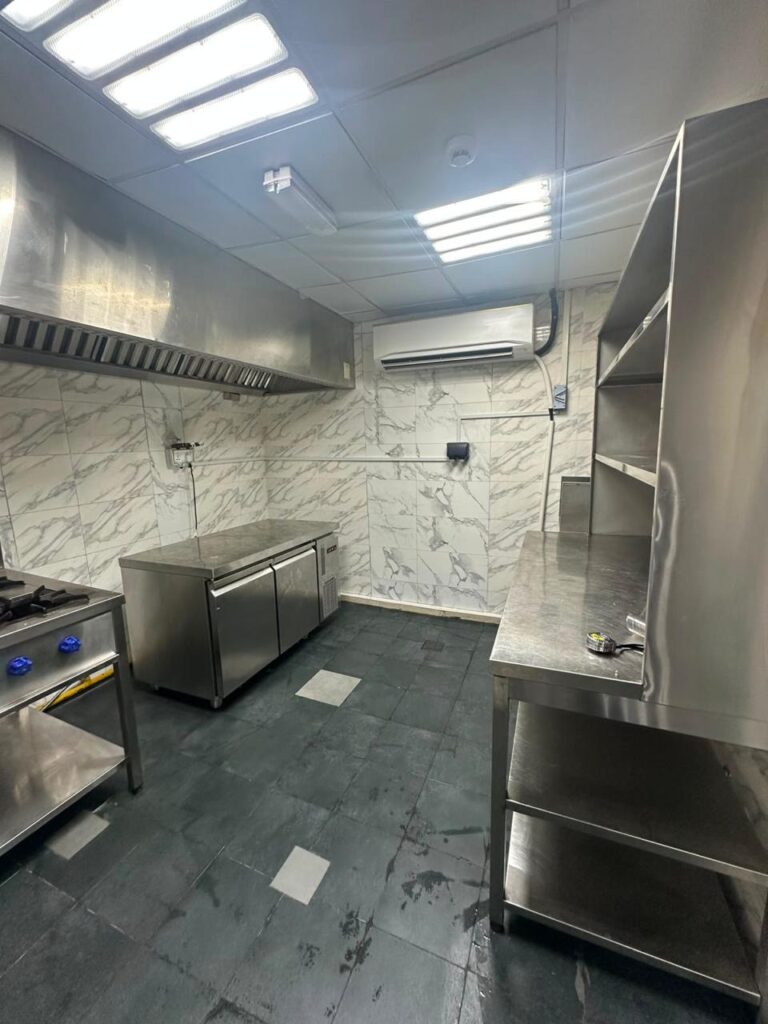
Compare oven or mixer capacity, refrigeration, preparation space and packaging protection. A chilled dessert, baked item and hot dessert can require different units and handling controls.
Kitchen Works has supported a tenant moving from a cold kitchen to a hot kitchen after adding cooked lunch items, when suitable space became available. That example illustrates why menu changes require technical reassessment; it does not mean every bakery can operate from a cold unit.
Coffee and beverage delivery
Test whether the intended product travels well and whether customers will pay enough to cover packaging and delivery-channel costs. Ice, temperature, spills and separation can change the customer experience between preparation and arrival.
Confirm water, drainage, refrigeration, power and appliance requirements. A beverage concept does not automatically need less operational planning merely because its menu has few cooked dishes.
Several concepts from one unit
Shared ingredients may simplify purchasing, while multiple menus can compete for the same staff and equipment. Model the combined peak period and keep each concept’s costs visible. Each brand needs a clear customer proposition and the relevant licensing and platform checks.
Use the multibrand planning guide before treating extra listings as extra capacity. Research nonbinding customer interest before launch; research activity is not permission to produce or sell food without the required approvals.
More menu formats to test
Pizza: check oven throughput, dough storage and texture after delivery. Rice and noodle dishes: test batch planning, safe holding and packaging. Grilled food: confirm extraction, production capacity and quality after transport. Breakfast menus: assess the timing of demand and whether several components can be packed consistently.
Salads and plant-based dishes: assess chilled storage, ingredient shelf life and separation of allergens. Children’s menus: test portions, packaging and the intended customer need without making unsupported nutritional claims. Soups and sauces: test leak resistance and safe handling. These are operational prompts, not evidence that these categories are best-selling or profitable; use recipe-specific costing and customer research.
Choose a concept and a unit together
Kitchen Works rents private kitchen units in Al Quoz 4 with shared facility amenities. Bring the shortlisted menu, appliance list, staffing plan and budget to a viewing. Confirm the annual agreement and exact inventory through the current rental FAQs.
Read the licensing responsibilities guide and arrange a viewing. The useful outcome is a feasible production plan and informed cost estimate, not a promise that one cuisine will succeed.