A creator with a large audience is not automatically the right partner for a delivery brand. The useful audience is people who can order your food, understand its price and have a reason to try it again.
Use a collaboration brief to compare potential partners. Assess audience fit, the work being commissioned and the outcome you can measure.
Start with the customers you can serve
Define the menu, price range, delivery areas and campaign objective. Ask a prospective creator for recent audience information relevant to that brief, including audience location and examples of comparable content.
Look beyond follower totals. Review whether comments show meaningful interest, whether the creator’s content suits your cuisine and whether the audience can buy through your available channels. A restaurant-discovery audience may have different expectations from a meal-prep subscription audience.
Agree the work before commissioning it
Specify the format, number of deliverables, dates, review process and factual information the creator needs. Agree fees, product provision, cancellation terms and permission for your own reuse of the content.
Check applicable advertising and disclosure requirements with the creator and suitable advisers. Paid content should not be presented as an independent customer review. Keep factual review separate from asking someone to guarantee a favourable opinion.
Make the product ready for the attention
Test ordering links, packaging and delivery quality before directing new traffic to the menu. Confirm stock, staffing and packing capacity for the promoted items. Decide how you will handle a demand spike or a sold-out dish.
Provide accurate photographs, ingredients and product descriptions. Do not encourage unsupported health claims or describe a delivery-only kitchen as a dine-in restaurant. Customer expectations should match the service they will receive.
Measure beyond views
Use an appropriate campaign link or code if your ordering setup supports it. Compare completed orders, cancellations, promotional cost and repeat purchases where observable. A click or video view is not an enquiry or sale.
Agree what evidence will be shared after the campaign. Record the limitations of attribution: customers can discover the brand in one place and order elsewhere. Compare results with the total collaboration cost before expanding the programme.
Separate the brand campaign from the premises
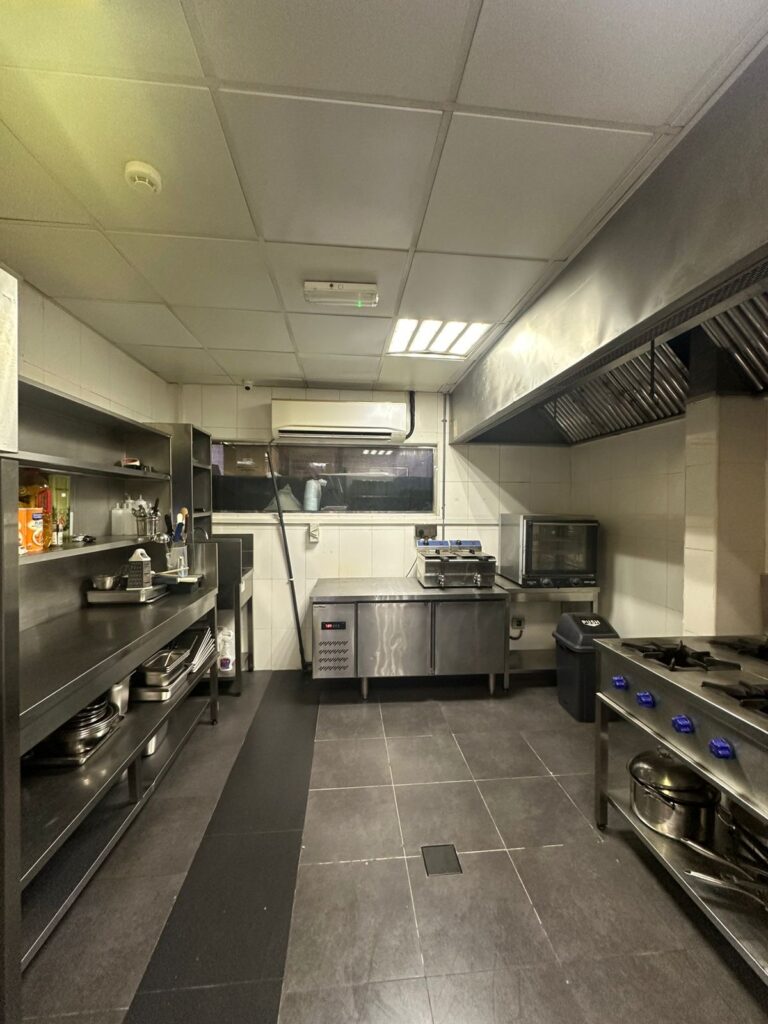
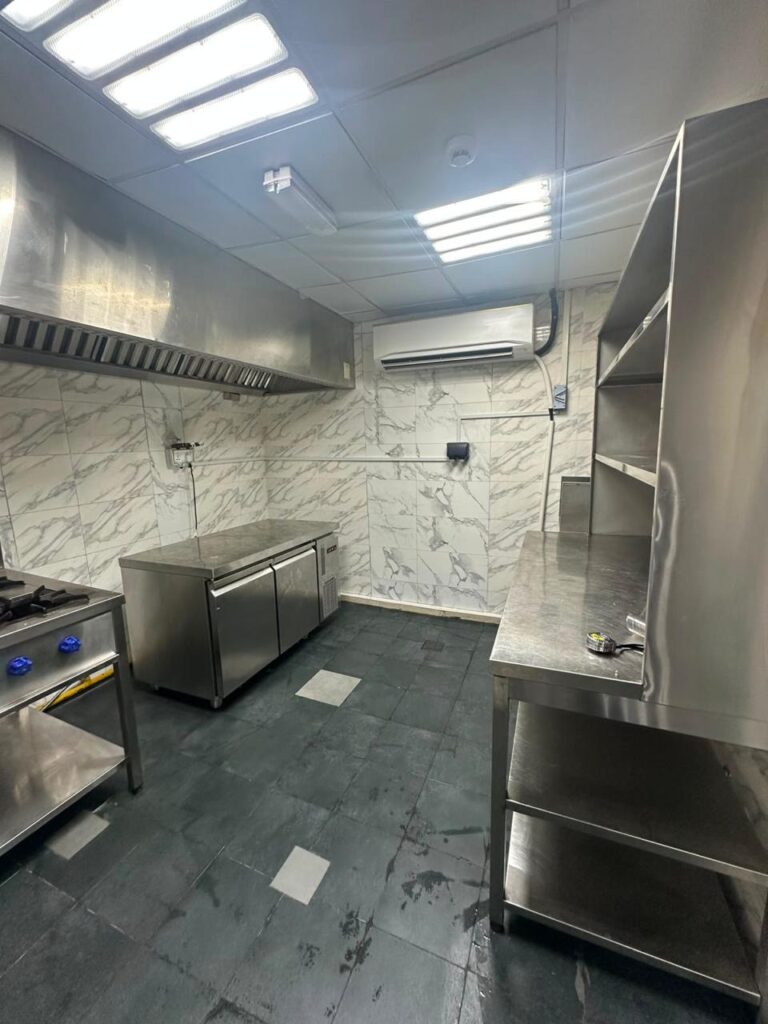
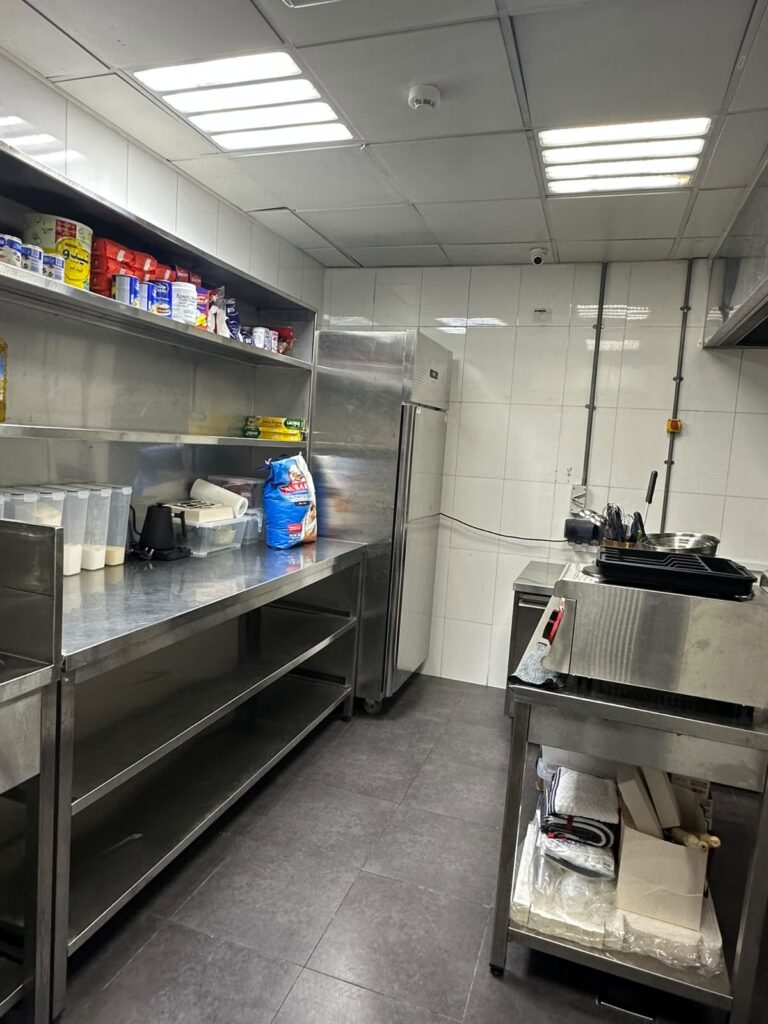
Kitchen Works provides private kitchen units and facility support in Al Quoz 4. A tenant’s creator partnerships, campaign budget and marketing decisions remain part of its own food business.
If a creator is developing a food concept, social attention still needs to be matched with licensing, production capacity and a suitable unit. Read the licensing responsibilities guide and arrange a viewing with the menu and equipment plan.