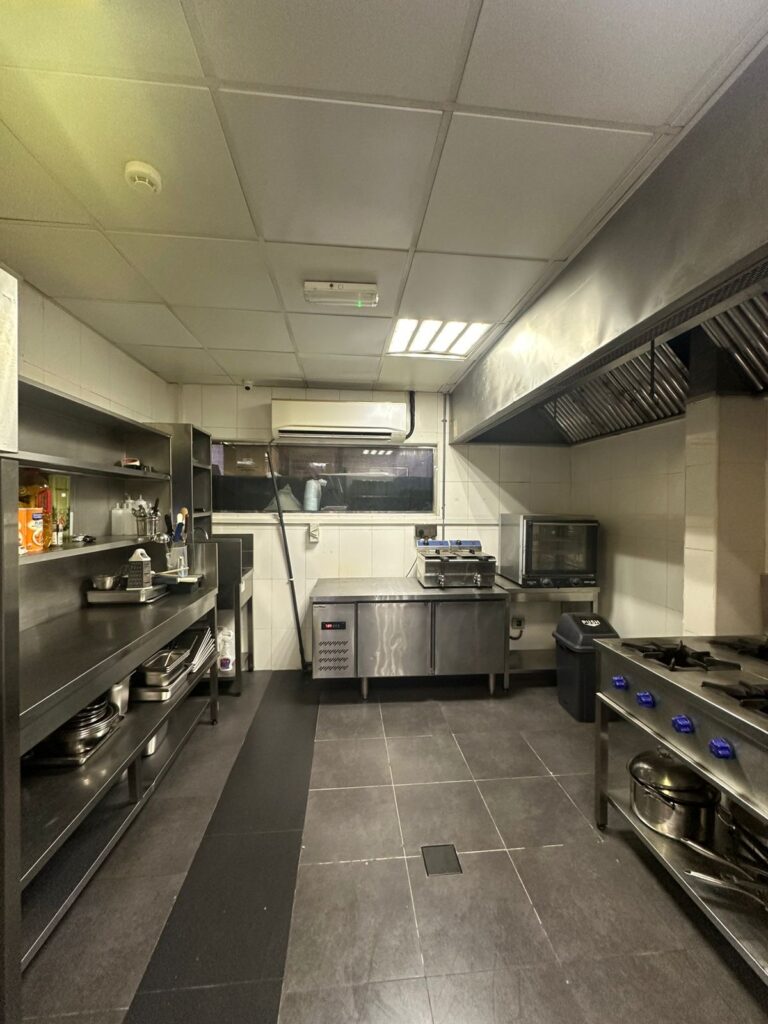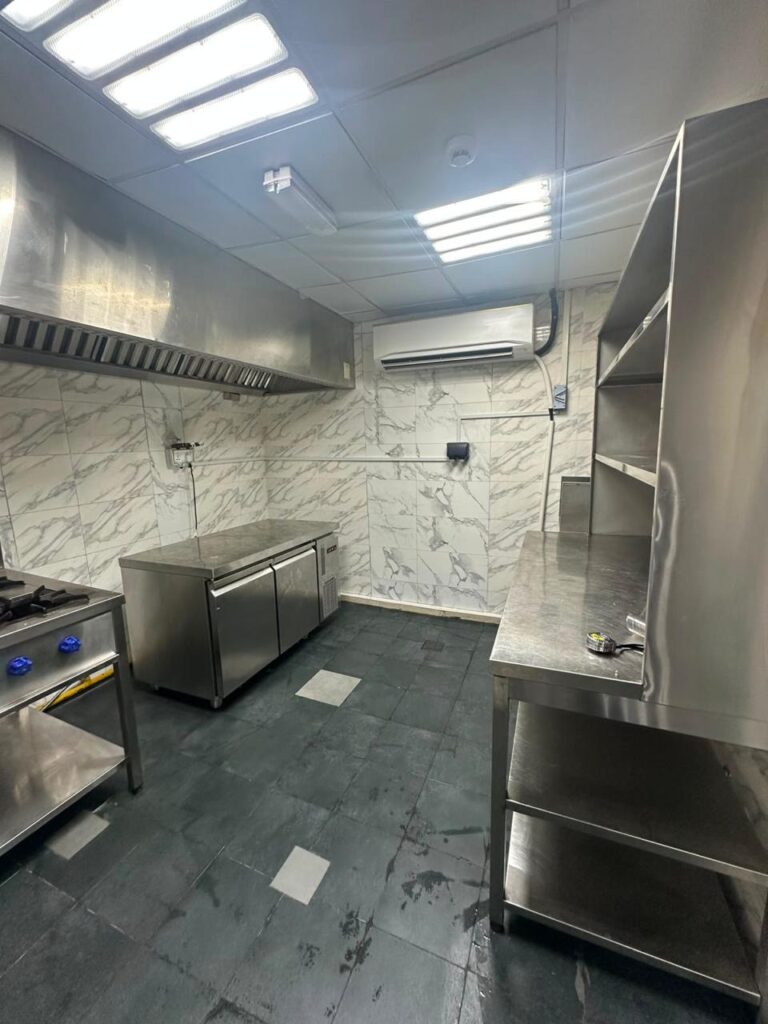
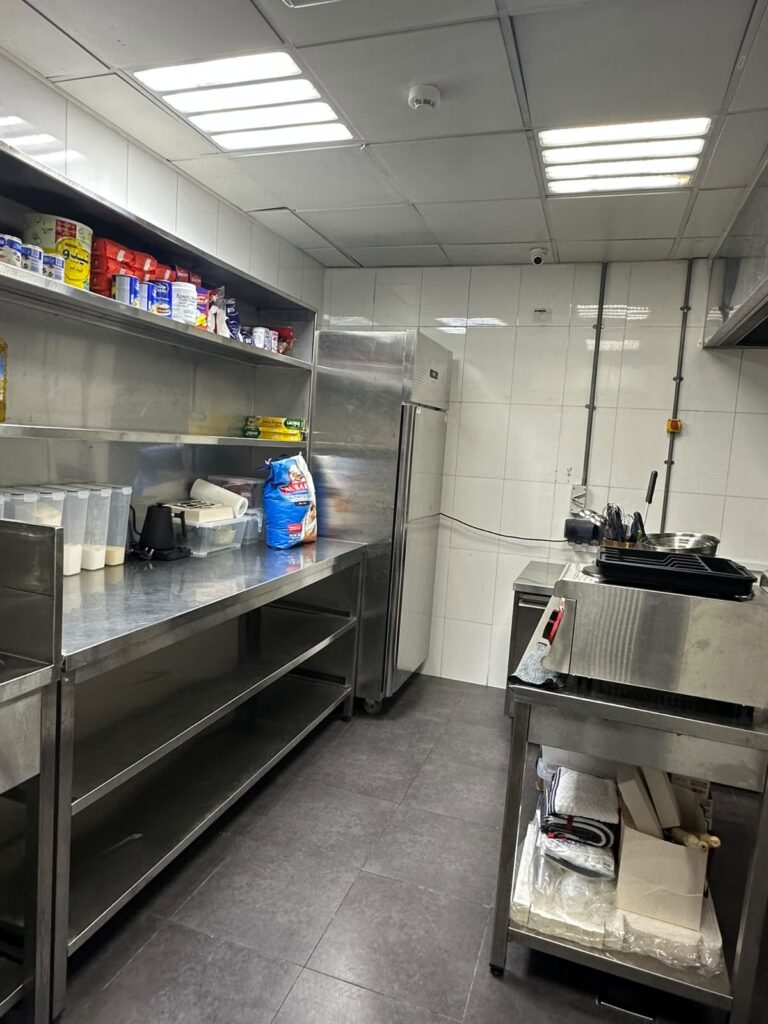
A fitted kitchen solves a premises problem. It does not decide whether customers want the menu, what an order contributes or how long the founder can fund the operation. Those questions belong in the plan before the rental commitment.
These seven checks draw on practical operating decisions and Kitchen Works’ advice to prospective tenants. They are not a measured ranking of the causes of restaurant failure or a promise that renting removes business risk.
1. Treating enthusiasm as evidence of repeat demand
Define the customer, occasion and proposed price. Compare the alternatives available in the intended service area. Interest from friends or social followers can guide research, but it does not establish a repeat order book.
Plan how customers will discover the brand and place an order, and include the costs of those channels in the budget. Once operating, review repeat purchases, complaints and order contribution alongside new-customer numbers.
Plan how you will assess the offer once the business has the necessary permissions to trade. A limited initial menu can make the production and customer response easier to understand.
2. Spending the operating reserve before opening
Separate deposits, equipment, licensing and launch preparation from the funds needed for payroll, purchasing and other continuing expenses. Forecast payment dates and platform receipts, including a quieter-sales scenario.
The Kitchen Works team asks startup founders whether they can commit the time and capital needed during the first six months. That is a readiness question, not a deadline for profitability. Use the rental-budget guide to identify missing cost categories.
3. Mistaking ingredient margin for profit
Cost representative orders after usable ingredient yield, packaging, platform charges, funded discounts and other variable expenses. Then assess the continuing commitments that the contribution must cover. More orders can create more work without producing a sustainable return.
4. Choosing the unit on rent alone
Bring the menu, appliance list and expected staffing to a viewing. Check preparation, storage, cooking, extraction, packing and dispatch. Confirm the equipment inventory and any additional requirements.
Verify customer coverage and food quality after a realistic journey from the actual address. Being within a certain driving time of a district does not establish that your ordering platform serves it.
5. Leaving responsibilities unclear
Tenants arrange their own business licence, staff documents and food-safety requirements. Kitchen Works supplies facility documents and onboarding guidance, alongside facility support. Read the licensing responsibilities guide and agree the operating responsibilities before setting an opening date.
Plan staff supervision, cleaning, handling procedures and responses to equipment faults. A ready facility does not remove the brand’s need to manage its own operation.
6. Expanding before the process is repeatable
A new menu or virtual brand can put pressure on the same staff, storage and packing area. Confirm the permissions and combined workload before launching it. Track errors, delays and contribution alongside sales.
Moving to a different or larger Kitchen Works unit depends on suitable availability and technical fit. The capacity and scaling guide explains how to assess the next step.
7. Signing before understanding the commitment
Kitchen Works currently offers private units in Al Quoz 4 on a 12-month agreement. Read the current rental FAQs and the written quote for rent, payment schedule, equipment and inclusions. Do not treat the arrangement as an hourly test kitchen.
Explore cloud kitchen rental in Dubai and arrange a viewing with the business assumptions you still need to test. The value of the discussion is a clearer decision about suitability, rather than reassurance that every food concept will succeed.