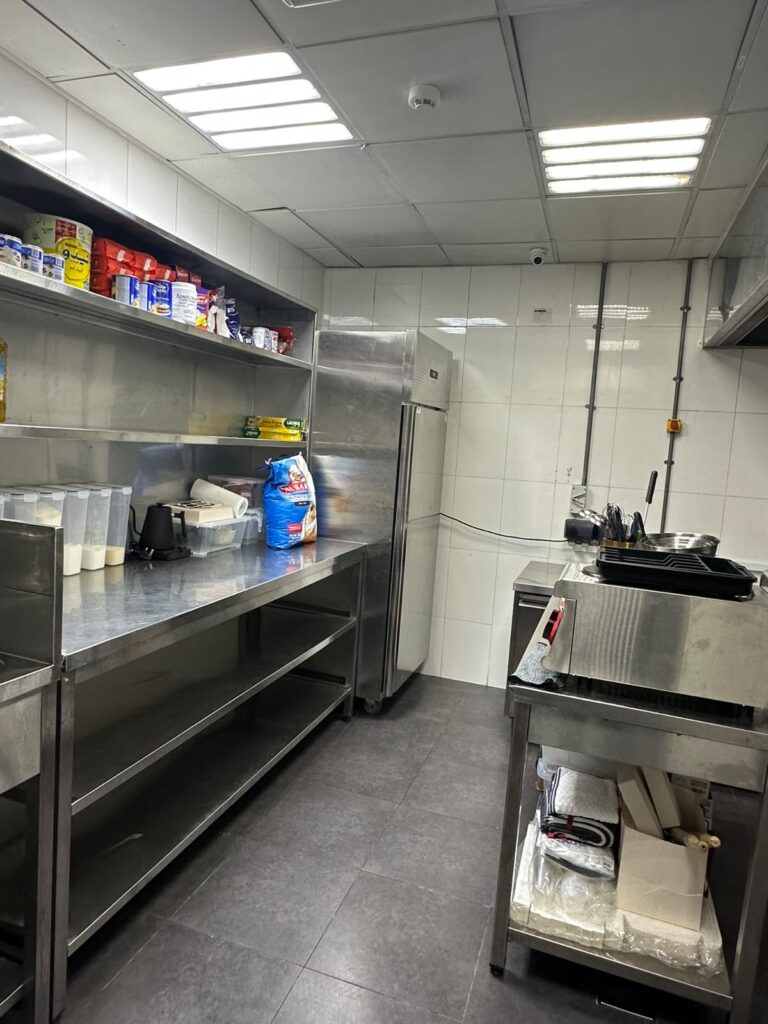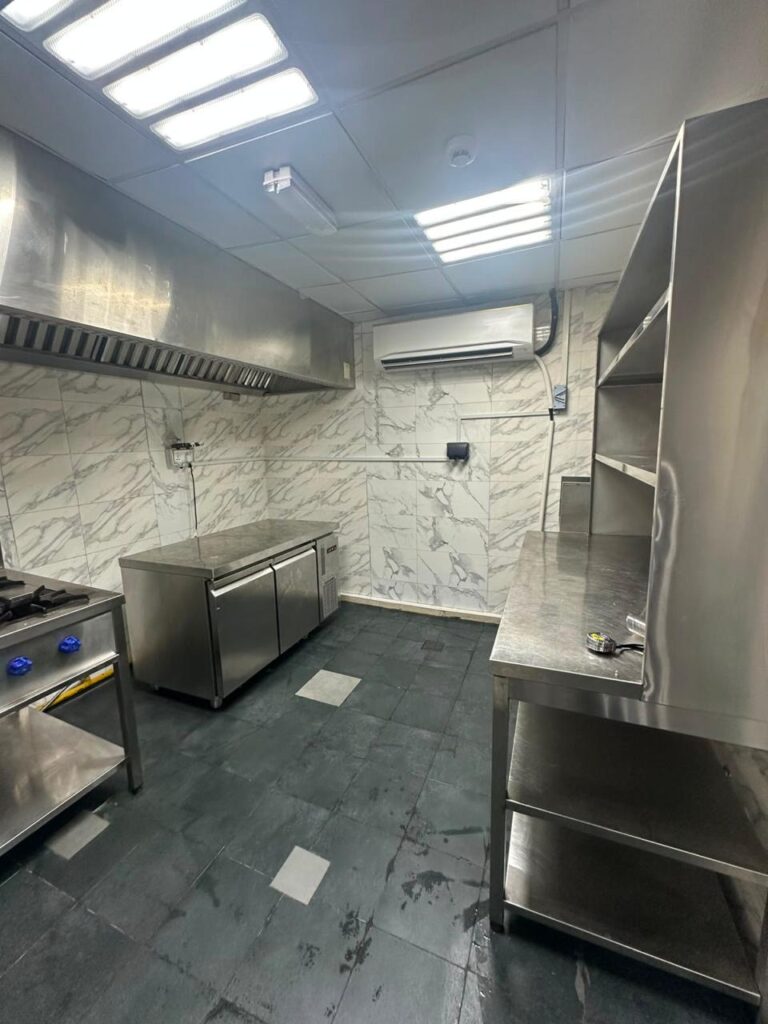
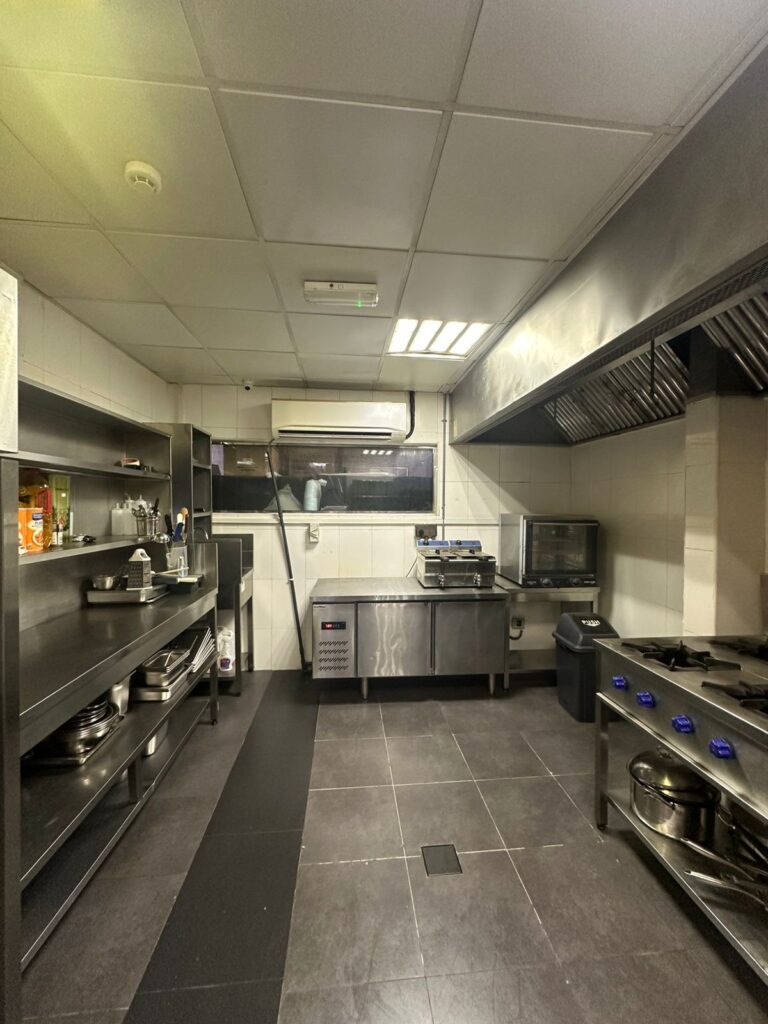
The role of cloud kitchens to boost food delivery in dubai

Dubai’s Food Delivery Boom in 2026: Why the Next Big Restaurant Brand May Have No Dining Room

Introduction

Dubai has always been a city where convenience moves quickly.

A customer can order lunch from a restaurant they have never visited, discover a new food brand through social media, and have the meal delivered to their door without ever seeing the restaurant’s dining room.

That shift is changing the way food businesses think about their physical space.

The growth of food delivery in Dubai is creating opportunities for entrepreneurs who may not need to start with a traditional restaurant at all. Instead, a delivery-first food brand can focus its investment on what customers actually experience: the food, packaging, ordering experience, speed, and consistency.

This is where cloud kitchens in Dubai become increasingly relevant.

A cloud kitchen removes the need for a conventional customer-facing dining area and concentrates the operation around food production and delivery. For certain business models, that can provide a more flexible way to test a concept, build a brand and scale production.

But this does not mean every food business should abandon the traditional restaurant.

The real question is more useful:

Does your food business need a dining room, or does it need a kitchen built around the way your customers actually order?

In 2026, that question deserves serious consideration.

The Food Delivery Market in Dubai Is Changing

Food delivery is no longer simply an additional sales channel for restaurants.

For many businesses, it is becoming a central part of the operating model.

Recent UAE market research estimates that the country’s online food delivery market was worth approximately US$793.9 million in 2025, with continued growth forecast through 2034.

At the same time, Dubai continues to develop the regulatory framework around online food delivery. The Dubai Department of Economy and Tourism has published guidelines intended to support fairness, transparency and responsible practices within the online food-delivery sector.

These developments point to something bigger than an increase in delivery orders.

They show that online ordering has become an important part of the food-service ecosystem.

For entrepreneurs, this creates a different way of thinking about restaurant development.

Instead of asking:

“Where should I open my restaurant?”

They can also ask:

“Where should I produce my food so I can reach my customers efficiently?”

That is the thinking behind the delivery-first model.

Why the Next Restaurant Brand May Not Need a Dining Room

A traditional restaurant has two very different spaces to manage.

There is the front of house, where customers sit, eat and interact with staff.

Then there is the back of house, where food is prepared, stored and packaged.

A delivery-only business can remove much of the first category.

The customer does not need:

  • Dining tables
  • Customer seating
  • Decorative interiors
  • Large waiting areas
  • Front-of-house service
  • A prime storefront designed around walk-in traffic

Instead, the business can concentrate on:

  • Kitchen production
  • Food quality
  • Packaging
  • Order accuracy
  • Delivery preparation
  • Digital marketing
  • Online reviews
  • Menu optimization
  • Customer retention

This is one reason the cloud kitchen Dubai model has attracted attention from food entrepreneurs.

The kitchen becomes the operational center of the brand.

The brand itself exists primarily on the customer’s phone.

What Is a Delivery-First Restaurant?

A delivery-first restaurant is designed around customers who discover, order and receive their food digitally.

The physical kitchen still matters enormously, but the customer may never enter the premises.

A delivery-first food brand typically relies on a combination of:

  • Food delivery platforms
  • Online ordering
  • Social media
  • Digital advertising
  • Search visibility
  • Customer reviews
  • Direct ordering channels
  • Strong food photography
  • Packaging and presentation

This changes the priorities of the business.

A restaurant may spend heavily on creating a beautiful dining environment.

A delivery-first brand may instead invest more heavily in kitchen efficiency, packaging, photography, online marketing and food consistency.

Neither model is automatically better.

The right choice depends on the concept, target customer, and economics of the business.

Why Cloud Kitchens Fit Dubai’s Delivery Culture

A cloud kitchen is essentially a professional food-production facility designed primarily for delivery and takeaway operations rather than traditional dine-in service.

The concept fits naturally with a city where customers value convenience and where food businesses compete heavily for digital attention.

A properly designed commercial kitchen can allow an entrepreneur to concentrate on the operational side of the business while the brand reaches customers through digital channels.

This can be particularly useful for:

Food Startups

An entrepreneur can test a food concept without immediately committing to a large customer-facing restaurant operation.

Delivery-Only Brands

Businesses whose customers primarily order online may not need a traditional dining room.

Existing Restaurants

A restaurant can potentially use an additional kitchen location to increase production capacity or launch another delivery-focused concept.

Caterers

Catering businesses can benefit from professional production space without requiring a conventional restaurant setup.

Meal-Prep Businesses

Subscription meals and prepared-food businesses are naturally suited to production-focused kitchens.

Bakers and Specialty Food Brands

Businesses that need professional preparation space can use commercial kitchen infrastructure rather than building an entire facility from scratch.

The Real Advantage Is Not Just Lower Rent

One of the biggest mistakes entrepreneurs make is thinking about cloud kitchens only in terms of rent.

The bigger advantage can be operational focus.

Imagine two businesses.

The first spends significant resources creating a customer-facing restaurant.

The second is built primarily around delivery.

The second business may be able to put greater attention into:

  • Kitchen workflow
  • Preparation speed
  • Ingredient management
  • Packaging
  • Delivery coordination
  • Digital customer acquisition
  • Menu testing
  • Brand development

This can be particularly valuable for entrepreneurs who are still trying to discover which products customers actually want.

However, a cloud kitchen does not automatically guarantee lower costs or higher profits.

Rent, staffing, ingredients, delivery commissions, marketing, packaging, utilities, and other expenses still matter.

The model works best when the entire operation is designed around the business’s actual demand.

The Rise of the Virtual Restaurant in Dubai

One of the most interesting developments in the delivery-first model is the virtual restaurant.

A virtual restaurant does not necessarily need a traditional storefront where customers can walk in.

Instead, customers discover the concept online.

They might see:

  • A food delivery listing
  • An Instagram Reel
  • A TikTok video
  • A Google search result
  • A social media advertisement
  • A recommendation
  • An influencer post

The customer sees the brand.

The kitchen produces the order.

The delivery network takes it to the customer.

This separates the idea of a restaurant brand from the idea of a physical dining room.

That separation gives entrepreneurs more room to experiment.

One Kitchen Can Support More Than One Food Brand

Another important advantage of a professional commercial kitchen is the possibility of supporting multiple concepts from a suitable facility.

For example, an entrepreneur could potentially develop:

Brand A: Burgers
Brand B: Fried chicken
Brand C: Loaded fries

Instead of immediately creating three separate restaurants, the entrepreneur can explore whether multiple concepts can operate efficiently from one production environment.

This approach needs careful operational planning.

Different menus may require:

  • Different ingredients
  • Separate preparation procedures
  • Additional equipment
  • Different packaging
  • Different storage requirements
  • Different staff workflows

The objective should not be to create as many brands as possible.

The objective should be to create profitable and manageable brands that customers actually want.

The Menu Matters More When Customers Never See Your Restaurant

When customers visit a restaurant, they experience more than the food.

They see the interior.

They interact with staff.

They hear the atmosphere.

They may enjoy the location.

Delivery removes many of those experiences.

That makes the food itself and the digital presentation even more important.

A delivery-first menu should therefore be designed around questions such as:

  • Does the food travel well?
  • Does it maintain its texture?
  • Is the portion suitable for delivery?
  • Does the packaging protect the product?
  • Can the kitchen prepare it consistently?
  • Can the order be assembled quickly?
  • Does the final product look attractive when photographed?
  • Is the menu too complicated?

A beautiful dish that becomes soggy after 25 minutes is not necessarily a strong delivery product.

This is why kitchen operations and menu design should be planned together.

Dubai Food Entrepreneurs Are Also Facing a More Competitive Market

Growing delivery demand does not mean launching a food brand is easy.

In fact, greater digital access can create more competition.

Customers can compare dozens of restaurants from the same screen.

A new brand may compete against:

  • Established restaurants
  • Independent food brands
  • Franchise operators
  • Homegrown concepts
  • Virtual restaurants
  • Cloud kitchen brands
  • Discount-driven competitors

That makes differentiation critical.

A new food brand needs a reason for customers to choose it.

That reason could be:

  • A unique product
  • Better positioning
  • Strong branding
  • A distinctive cuisine
  • Better value
  • Convenient meal formats
  • Strong social media presence
  • Excellent packaging
  • Consistent food quality

A kitchen is the infrastructure.

The brand is what makes customers care.

The Smartest Food Brands May Test Before They Scale

One of the biggest advantages of a delivery-first model is the ability to learn.

Instead of assuming that customers will love a concept, entrepreneurs can test it.

For example, a new food brand could monitor:

  • Which menu items sell
  • Which products receive repeat orders
  • Which items generate complaints
  • Which products have better margins
  • Which promotions work
  • Which neighborhoods respond best
  • Which products travel best
  • Which times generate the most demand

The goal is to turn customer behavior into business decisions.

A food concept that performs well can then be expanded.

A concept that does not perform can be changed before the entrepreneur commits to a much larger physical investment.

That makes experimentation one of the most valuable aspects of a delivery-first business model.

Cloud Kitchens Are Not the Answer for Every Restaurant

It is important to avoid treating cloud kitchens as a universal replacement for restaurants.

Some concepts depend heavily on the physical experience.

Examples may include:

  • Fine dining
  • Experience-led restaurants
  • Destination restaurants
  • Cafés built around atmosphere
  • Restaurants where social interaction is central to the concept

For these businesses, a dining room may be part of the product.

On the other hand, a business selling:

  • Burgers
  • Pizza
  • Meal prep
  • Desserts
  • Catering
  • Healthy meals
  • Fried chicken
  • Specialty bowls
  • Delivery-focused cuisine

may have a very different set of priorities.

The right question is not:

“Are cloud kitchens better than restaurants?”

It is:

“What physical infrastructure does my particular food concept actually need?”

What Food Entrepreneurs Should Consider Before Renting a Commercial Kitchen

If you are looking for a commercial kitchen for rent in Dubai, do not compare facilities based only on monthly rent.

Look at the complete operation.

1. Equipment

Check whether the available equipment matches your menu.

2. Kitchen Layout

A well-planned workflow can make preparation and order assembly easier.

3. Storage

Consider dry storage, refrigeration and freezer requirements.

4. Utilities

Understand which utilities are included and which are charged separately.

5. Maintenance

Find out who is responsible for equipment repairs and maintenance.

6. Location

Consider whether the kitchen makes sense for your target delivery areas.

7. Operational Flexibility

Ask whether the facility can support your business if order volumes increase.

8. Food-Safety Requirements

Make sure your planned operation meets applicable food-safety and regulatory requirements.

9. Packaging

Consider where and how orders will be packed and stored before collection.

10. Scalability

The best kitchen for a startup may not be the best kitchen once the brand begins growing.

Kitchen Works: Built for the Delivery-First Food Business

For entrepreneurs exploring cloud kitchen rental in Dubai, Kitchen Works provides a practical environment for food businesses that need professional kitchen infrastructure.

The concept is simple:

Let the kitchen handle the production environment while the entrepreneur focuses on building the food brand.

Depending on the business model and facility requirements, a professional commercial kitchen can provide the foundation needed for:

  • Delivery-only food brands
  • Food startups
  • Catering operations
  • Meal-prep businesses
  • Restaurant expansion
  • Bakery concepts
  • Virtual brands

The objective is not simply to rent a kitchen.

It is to create an operational base from which a food business can develop, test, and grow.

If your customers are already discovering your food through their phones, your business may not need to begin with a large dining room.

It may need the right kitchen, the right menu and the right digital strategy.

Frequently Asked Questions About Food Delivery in Dubai

Is food delivery growing in Dubai?

Online food delivery continues to be an important part of the UAE food-service market, with market research forecasting continued growth in online food delivery through the coming years. Dubai has also established guidelines for the online food-delivery sector.

What is a cloud kitchen in Dubai?

A cloud kitchen is a professional kitchen designed primarily for preparing food for delivery and takeaway rather than operating a conventional customer dining area.

Is a cloud kitchen cheaper than a traditional restaurant?

It can reduce the need for certain customer-facing infrastructure, but the total cost depends on rent, equipment, utilities, staffing, ingredients, packaging, marketing, delivery costs, and other operating expenses. Entrepreneurs should compare the complete business model rather than rent alone.

Can I start a food business using a commercial kitchen?

A commercial kitchen can provide the physical production environment for certain food businesses, but entrepreneurs must ensure their business has the appropriate licenses, approvals, and food-safety arrangements applicable to their specific activity.

What type of food business can use a cloud kitchen?

Cloud kitchens can be suitable for many delivery-focused concepts, including meal-prep businesses, bakeries, catering operations, virtual restaurant brands, burgers, pizza, desserts and other cuisines designed for delivery.

Can multiple brands operate from one kitchen?

Depending on the facility, agreement, equipment, workflow, and applicable requirements, multiple food concepts may be operated from a shared or commercial kitchen environment. Each concept still needs appropriate operational planning.

Is a cloud kitchen suitable for a new food startup?

It can be. A delivery-first kitchen may allow a startup to focus on product development, branding, marketing, and customer acquisition without building a full traditional dining operation. However, the model should be evaluated against the startup’s menu, target customers, and financial plan.

What should I check before renting a commercial kitchen in Dubai?

Look at equipment, layout, storage, utilities, maintenance, location, food-safety requirements, operating hours, flexibility, contract terms, and scalability. Do not make the decision based on rental price alone.