Growth can mean more orders from one menu, a new food concept or a move to a larger kitchen. Those decisions create different demands. Start by identifying the constraint in the current operation instead of treating every increase in sales as a reason to add another brand or location.
A useful expansion plan connects customer demand, contribution per order, staff capability and the capacity of the actual unit. There is no universal margin target or order count that proves a business is ready.
Establish what the existing operation can support
Review representative orders after ingredients, packaging, platform charges, discounts and other variable costs. Assess whether the remaining contribution covers continuing expenses. Include refunds, waste and owner time where relevant rather than relying on sales alone.
Prepare a cash-flow forecast for the proposed change, including deposits, equipment, staffing and the timing of receipts. Use a lower-demand scenario. The rental-budget guide helps distinguish additional opening spending from the reserve needed to operate.
Find the bottleneck before buying capacity
Observe preparation, cooking, checking, packing and collection during comparable services. Identify whether delays arise from an appliance, storage, staffing, order handling or the packing area. More cooking capacity will not fix an overloaded handoff process.
Write repeatable recipes, portion guidance and task responsibilities. Train the team and review errors before increasing volume. The rush-hour operations guide provides a practical sequence for that review.
Treat a menu change as a technical change when necessary
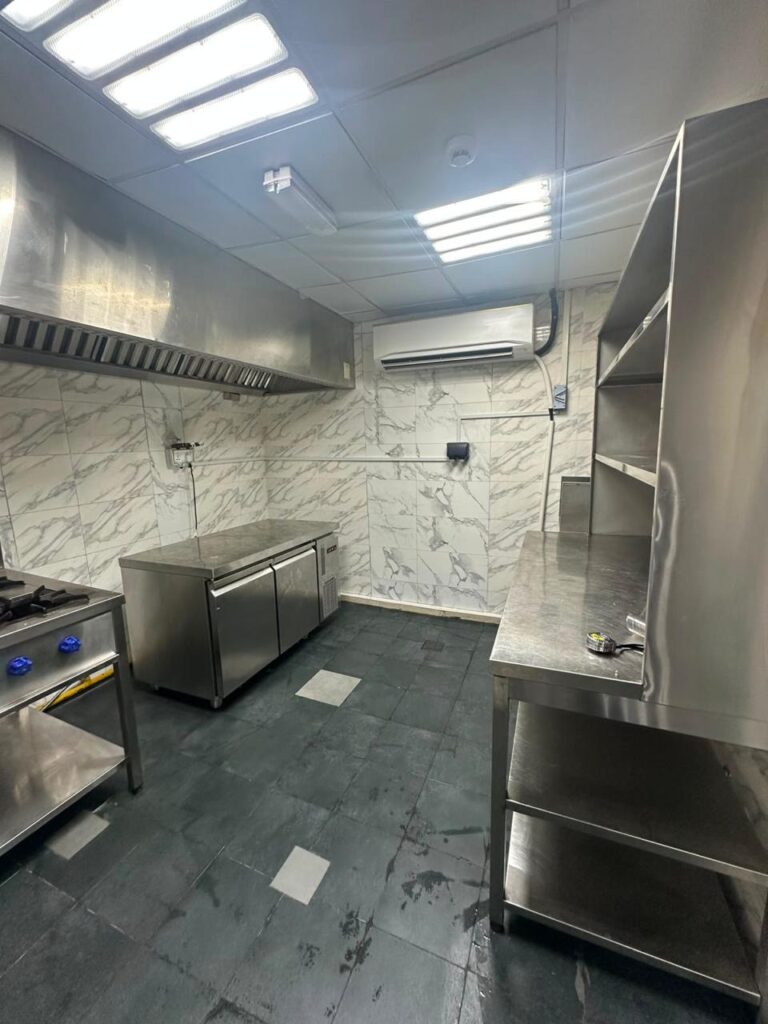
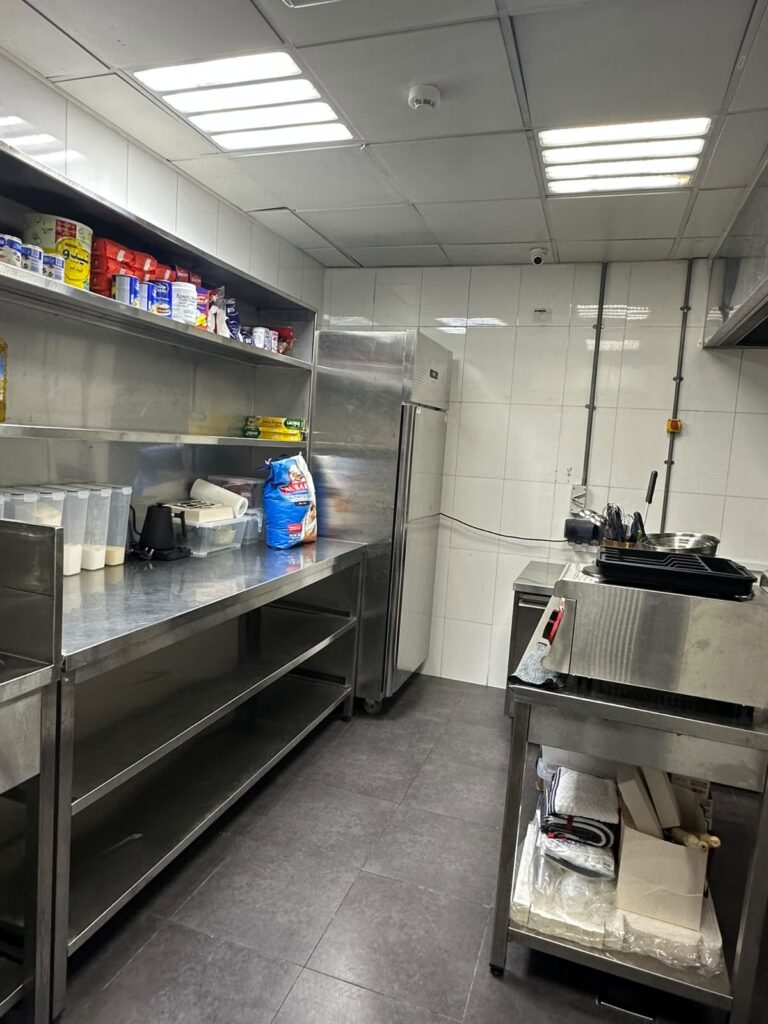
Kitchen Works described a bakery and dessert tenant that initially used a cold kitchen for electric appliances and light preparation. When the menu expanded into cooked lunch dishes requiring a stove and extraction, the team arranged a move into an available hot kitchen.
The same team has described helping operators move from compact to larger units as their requirements grew. Both examples depend on suitable space becoming available. Discuss equipment, power, extraction, storage and staffing early; a move is not an automatic upgrade.
Add brands and channels deliberately
A second brand can share ingredients or equipment, but it also creates menu, stock, customer and order-management work. Confirm the relevant licensing and platform conditions, and test the combined service load before treating multiple brands as an efficiency gain.
Direct orders, subscriptions or catering bring different fulfilment and customer-service requirements. Assess the extra work and acquisition costs. Adding a channel does not guarantee higher profit or eliminate responsibility for reliable delivery.
Connect the production checks
Trial a representative busy period with the actual menu and staff before increasing the workload. Use the order and dispatch guide for handoff constraints and the multibrand guide for shared-resource checks. Founders still developing a first concept can start with the transition from home cooking to a food business.
Choose a wider footprint from real customer evidence
If the plan involves another location, assess its own customers, coverage, staff and operating costs. Results at one address do not establish demand somewhere else. Kitchen Works’ current offer is at Al Quoz 4.
For changes within the existing facility, arrange a viewing or speak with the team about available units. Check the current rental FAQs and licensing responsibilities guide before agreeing equipment or activity changes. Base the next step on verified demand and workable capacity, rather than a promise of rapid growth.